Hank Green’s AI mea culpa shows the real cost of chatbot dependence
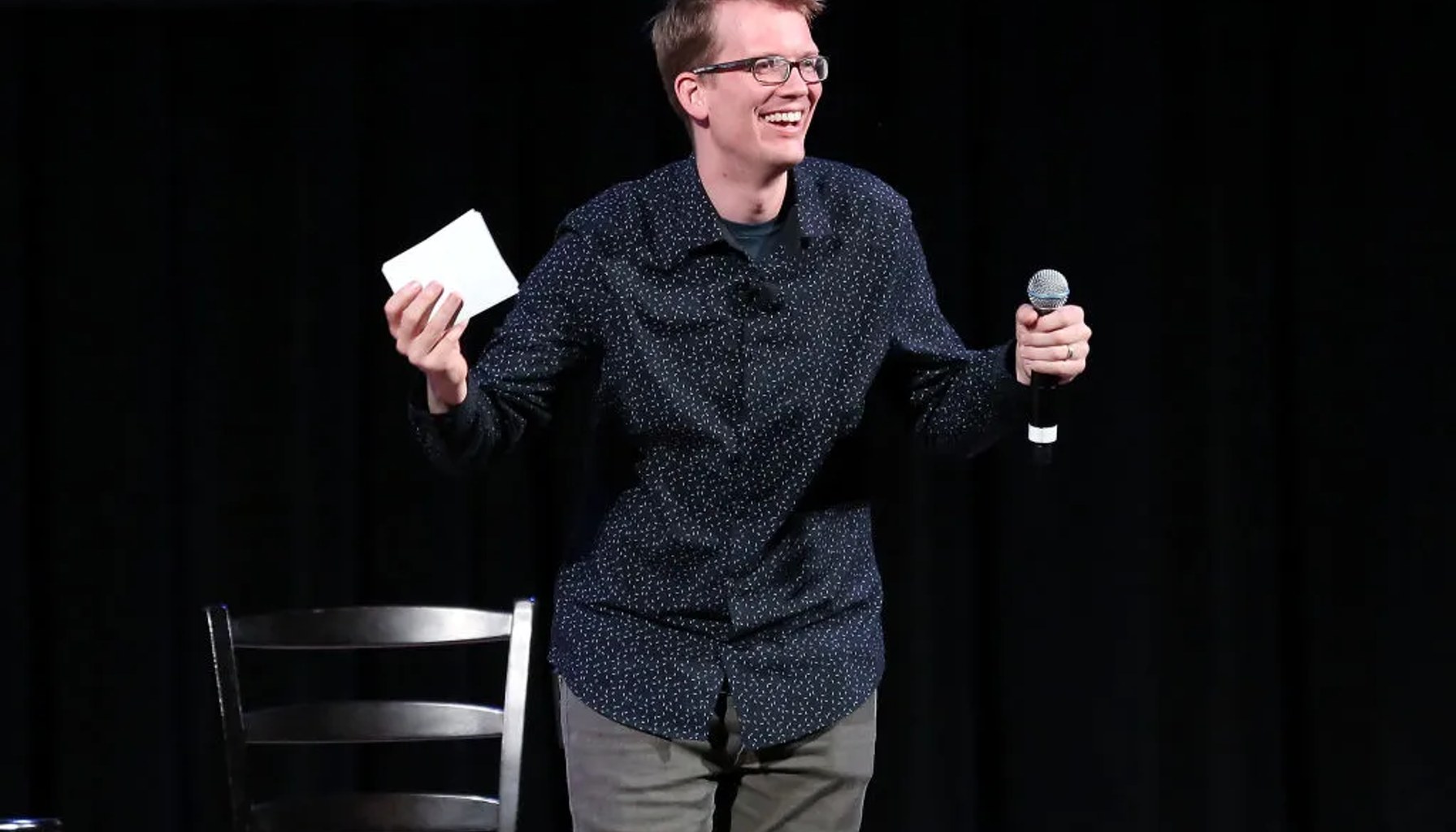
The YouTuber says his use of ChatGPT has become “not healthy,” and he plans to slow down video production as he reassesses how much AI belongs in his workflow.
A creator apology, not a product announcement
Hank Green, the novelist, comedian, and YouTuber with 3.2 million subscribers, apologized to his audience after viewers suspected he had relied on an AI chatbot while making a video for his educational channel Complexly. The suspicion started with a line in the video — “I appreciate the pushback” — that appeared out of place enough to make viewers think a chatbot response had been left in the script by mistake.
Green first responded in a since-deleted post on X, saying he had made the video “under a ton of pressure” and had used ChatGPT “for research on this script.” He later explained that the “pushback” line was actually a response to the episode’s guest, not a stray AI artifact.
He then expanded on the issue in a Reddit apology, saying he was “mortified” to have “let so many people down” and that he plans to reduce his video production as a result. For engineers and product leaders, the useful takeaway is not the drama itself but the workflow pattern behind it: once AI tools become part of a fast-moving production process, it can become difficult even for the creator to say exactly where the model ended and the human began.
What Green says he used AI for
Green has tried to limit the scope of what he says ChatGPT did for him. He said he has only used it to “locate papers and other resources for learning about topics,” and that the words and the “takes” in his videos have still been his. At the same time, he admitted it was fair to criticize him for “diluting” himself.
That distinction is familiar to anyone trying to deploy AI in a real workflow. Teams often want the model to handle retrieval, triage, or early drafting, while keeping authorship and judgment human. In practice, those boundaries can blur quickly, especially when deadlines are tight and the tool is always available.
Green’s own description shows how slippery that boundary can become. He said he has been moving “so fast” that his process is no longer clear to him, and he wants a “guarantee moving forward” that his words are his. That is not an abstract AI debate. It is a process-control problem.
The operational cost is attention, not just controversy
Green’s response was blunt about the personal side of the issue. On Reddit, he said he was “mortified” and plans to reduce his video production. He also said he will probably make more videos with his “dumb unscripted straight to camera thoughts,” and wants to do more work like a recent meditative video “where the writing was the whole thing and I felt it all the way down.”
That matters because the question for creators and companies is not just whether AI makes production faster. It is whether the speed changes the feel of the output enough that the person making it no longer recognizes the work as theirs.
Green also said the “level of dopamine” he has been getting from interacting with LLMs — “doing more and more and more and more” — is “not healthy for me or good for the world.” He called the behavior “careless” and said it had “disconnected” him from where people are on this issue.
For product leaders, that is a useful reminder that AI adoption can create its own habit loop. A tool that makes research and drafting feel frictionless can encourage overuse, not just efficiency. In practice, that can mean more output, less reflection, and a weaker sense of when to stop.
Why this matters for product leaders
Green said he is “not a pure AI-hater,” but he also named concerns about the technology’s impact on climate change and “the speed at which these companies are trying to consolidate economic power.”
Those concerns are not benchmark data, but they map to decisions engineering teams actually have to make: which vendor to trust, how much compute to spend, what gets logged, and what gets disclosed. In creator businesses, the immediate risk is audience trust. In companies, the same problem shows up as brand voice drift, unclear authorship, and employees using tools in ways managers can’t explain.
The practical lesson is to define the use case tightly enough that it can be defended. If a model is only supposed to help with research, specify what counts as research. If it can draft text, decide whether a human must rewrite, review, or approve it before publication. If content is being produced at scale, make the review step measurable instead of assumed.
The engineering question: what guardrails actually work?
Green said he wants a “guarantee moving forward,” which is the right instinct but a difficult requirement. In engineering terms, guarantees come from process design, not from good intentions.
For teams adopting LLMs, the relevant controls are basic but important:
- separate brainstorming, research, and final drafting;
- require provenance for sourced claims;
- log when AI tools are used in content or decision workflows;
- limit model use when authorship, safety, or trust are central;
- and require human rewriting or sign-off before anything goes live.
Those safeguards are not glamorous, but they reduce ambiguity. They also answer the question Green struggled with publicly: what was the model doing, and what was the human doing?
The broader story here is that AI is becoming less a special feature than a routine habit. Green’s apology shows how quickly that habit can become visible to an audience, and how quickly trust can wobble when the line between assistance and authorship is unclear. For builders, the real test is not whether a chatbot can help. It is whether the work still looks honest when someone asks how it got made.
- YouTuber Hank Green says his AI usage is ‘not healthy’ | TechCrunchtechcrunch.com / Independent source / Published AUG 01, 2026 / Accessed AUG 01, 2026