Espressif’s ESP32-S31 Takes a Real Swing at DIY Smart Home Builders
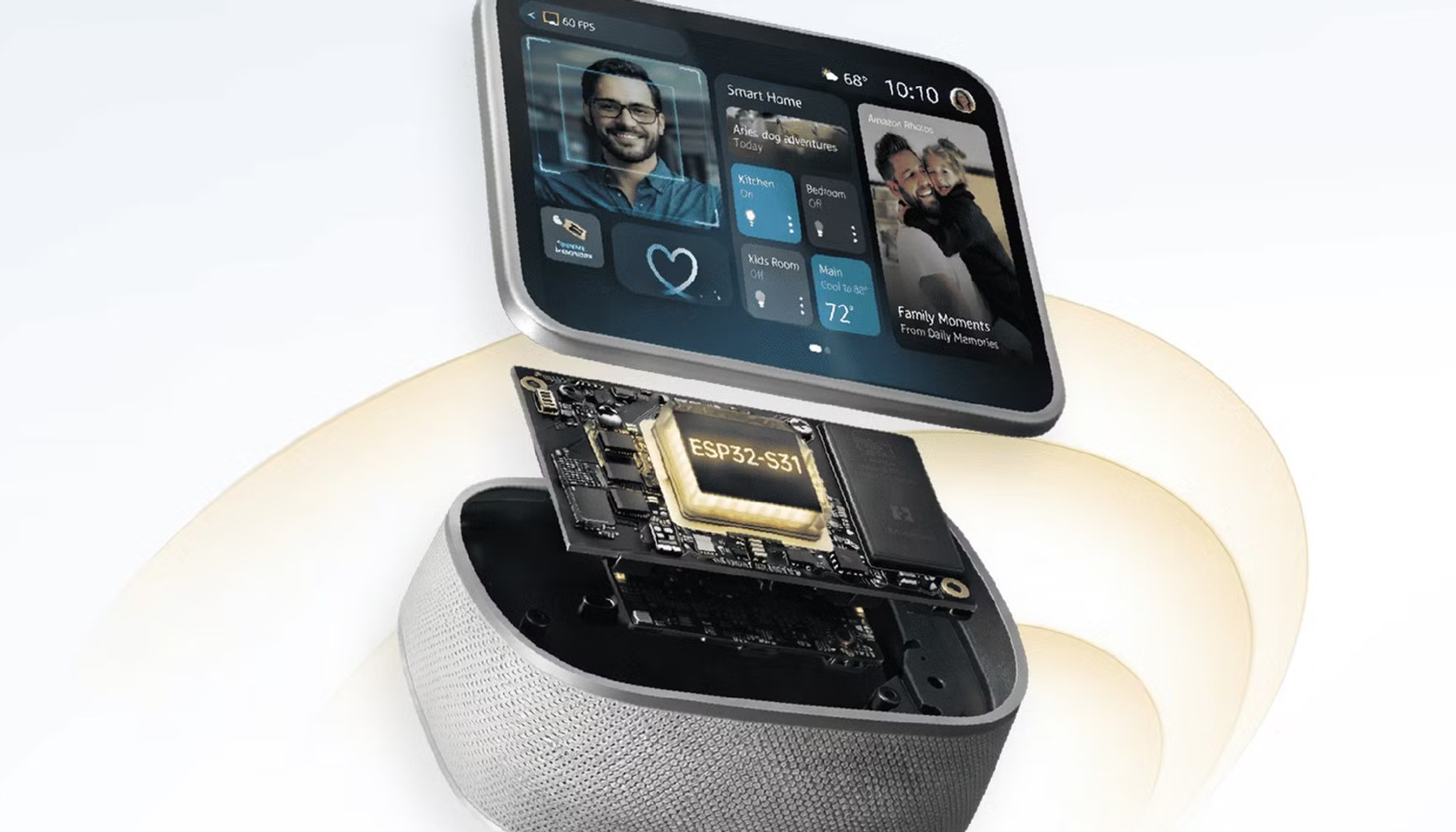
Image / howtogeek.com
The new chip adds Wi-Fi 6, Thread, and Matter support to the ESP32 family — but the real question for hobbyists is how much extra hardware and setup that translates into.
A bigger ESP32 for newer smart homes
Espressif says the ESP32-S31 is the company’s biggest upgrade yet for its popular maker-focused chip line. The new part is built for DIY smart home projects and brings support for Wi-Fi 6, Thread, and Matter, the interoperability standard that smart home brands keep leaning on to reduce platform fragmentation.
That matters because the smart home market is no longer just about basic wireless connectivity. The newer standards are meant to make devices easier to connect across ecosystems and more useful in mixed-brand setups. For tinkerers, that can mean a project that speaks more fluently to Apple Home, Google Home, Amazon Alexa, or other Matter-compatible systems without the usual patchwork of custom bridges and workarounds.
Espressif is positioning the S31 as a more future-ready foundation for hobbyists and small manufacturers that want to build connected devices without treating compatibility as an afterthought.
What the chip actually changes
The headline additions are the ones that matter most: Wi-Fi 6, Thread, and Matter support. In practice, that gives builders more options for how a device gets onto the network and how it behaves once it is there.
Wi-Fi 6 can help with efficiency and reliability in crowded wireless environments, which is relevant if a project has to live in a home full of phones, laptops, cameras, and other smart devices. Thread support opens the door to low-power mesh networking, which is increasingly central to smart home gear. Matter support is the interoperability layer that lets devices participate in broader ecosystems without each brand inventing its own closed app-first universe.
For DIY users, this is less about a flashy consumer product and more about lowering the barrier to building something that feels modern enough to last. A smart switch, sensor, controller, or appliance project built around the S31 should have an easier path into current smart home ecosystems than older hardware that only speaks one protocol.
Espressif’s pitch is really about relevance. Makers have spent years designing around chips that were inexpensive but increasingly dated. The S31 is meant to keep the company’s developer-friendly reputation while giving projects a more current networking stack.
The catch: standards are not the same as simplicity
The catch is that Matter and Thread do not magically make a DIY project plug-and-play. They improve compatibility, but builders still need the right supporting hardware, firmware, and network setup. Matter certification and Thread networking often depend on the rest of the system being built correctly, including whether a home has a Thread Border Router in place.
That means the cost of using a chip like the ESP32-S31 is not just the chip itself. There is the board it lands on, the development time to make it do what you want, and, depending on the project, the cost of additional infrastructure to get the full benefit of Thread-based devices.
For hobbyists, that can be fine. DIY smart home projects are usually chosen for control and flexibility, not convenience. But it does mean the S31 is not a magic shortcut. It is a better foundation, not a finished product.
The broader smart home market also shows why this matters. Homey, for example, recently earned Matter 1.5 certification across its current lineup, including support for categories like EV chargers, heat pumps, solar panels, and major appliances. That reflects where the industry is going: less emphasis on isolated gadgets, more on whole-home control. A chip like the S31 is designed to help smaller projects keep up with that shift.
Who this is for
The ESP32-S31 sounds aimed squarely at makers, tinkerers, and smaller product teams that want to build connected hardware for today’s smart homes without starting from scratch on standards support. If you already like Espressif’s ecosystem, the upgrade should look attractive because it keeps the familiar DIY appeal while adding the connectivity stack newer devices are expected to have.
It is also relevant for anyone building a device that needs to work across major smart home platforms rather than only inside one app. That cross-platform angle is what gives Matter its value, and it is where the S31’s added support could matter most.
For casual shoppers, though, this is not a buy-it-today consumer gadget. It is a component story. The value depends entirely on what someone builds with it and how well they execute the software and hardware around it.
Buy, wait, or skip?
For DIY smart home builders, this is a buy if you are planning a new project and want to design around current standards instead of retrofitting old ones. The combination of Wi-Fi 6, Thread, and Matter support makes the ESP32-S31 a more sensible starting point than older chips for anyone trying to build something that should still fit into the smart home ecosystem a few years from now.
For everyone else, it is a wait. There is no retail product to compare on shelf value, no consumer package to assess, and no ownership cost yet beyond the usual development and integration work. The chip is only useful once it is in a board, running firmware, and connected to the rest of your setup.
If Espressif’s promise holds up in real-world developer kits and devices, the S31 could be a meaningful upgrade for the maker market. The appeal is not glamour. It is durability, compatibility, and fewer reasons to throw a project away when the smart home standards move again.
- ESP32's biggest upgrade yet brings Wi-Fi 6 and Matter to DIY smart home projectshowtogeek.com / Mainstream / Published JUL 28, 2026 / Accessed JUL 30, 2026
- Apple’s long-delayed smart home plans may finally start to take shape this falldigitaltrends.com / Mainstream / Published JUL 28, 2026 / Accessed JUL 30, 2026
- Homey is a rare smart home platform that is Matter 1.5 certifiedthe-ambient.com / Mainstream / Published JUL 29, 2026 / Accessed JUL 30, 2026