Dell XPS 16 Big Screen Big Price
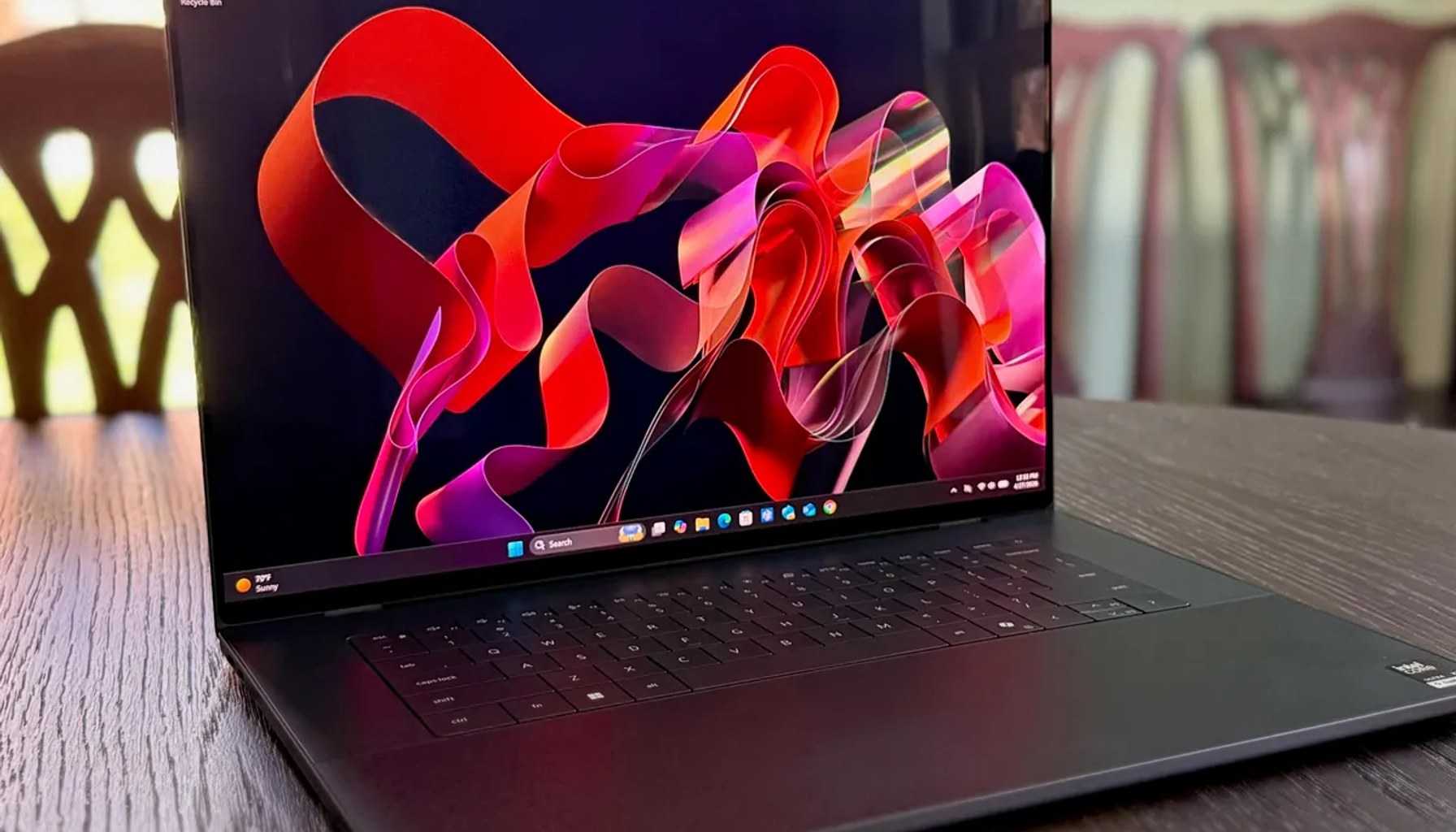
The Dell XPS 16 costs as much as RTX rivals yet lacks RTX graphics.
In hands-on reviews, testers found the XPS 16 to be a well-rounded machine with a big, immersive display and a slim, premium chassis. It’s the kind of laptop you buy when you want serious screen real estate for editing, reading, or multitasking, all wrapped in a design that doesn’t scream “gaming rig” even as you push apps that chew through footage and documents at once. Dell sticks to its familiar XPS recipe, with a sturdy aluminum body, a quiet, restrained aesthetic, and a keyboard that feels good for long sessions. The result is a machine that trades a bit of flash for a steadier, more versatile daily-driver vibe.
Where the conversation gets prickly is price. The XPS 16 is described as a premium buy, with a sticker that sits at the high end of the category and, notably, without RTX graphics. That combination matters for creators who count on GPU acceleration; the laptop’s performance is strong for CPU-bound tasks, but you don’t get the real-time ray tracing or CUDA-accelerated workflows that RTX-equipped rivals can offer. In other words, you’re paying premium for a big screen and strong all-around performance, not for top-tier graphics horsepower.
Who should buy this machine? If you crave Windows on a big, gorgeous 16-inch canvas and you don’t need RTX-specific GPU capabilities, the XPS 16 can be a compelling choice. It’s a solid workhorse for photo editing, video previews, and document-heavy workloads, and the chassis and display are premium enough to justify the feel-good factor. If your day-to-day leans toward software that benefits from a robust GPU stack (think 3D rendering, real-time video effects, or gaming), you’ll likely feel the absence of RTX acceleration in this price bracket.
The obvious alternative for many buyers is a high-end MacBook Pro 16. The Mac takes a different path with Apple Silicon, delivering strong performance and excellent efficiency, but with a different software ecosystem, upgradeability story, and price dynamics. The XPS 16 remains appealing for Windows users who want native Windows features, broad software compatibility, and, crucially, a non-Mac keyboard and trackpad experience in a premium 16-inch form factor. In short, the choice often comes down to ecosystem and the GPU requirements you actually need for your workload.
Two concrete practitioner insights emerge from watching the market this year. First, premium big-screen Windows laptops continue to hinge on a batched tradeoff: screen size, build quality, and daytime battery life versus the GPU horsepower you can actually access in the same price range. If you must have RTX features, you’ll pay a premium and sacrifice some of the everyday portability sweet spot. Second, the pricing strategy around these machines is tightening the field, with manufacturers pricing well above entry-level RTX configurations to preserve perceived premium value, even as GPU options in this segment remain a major selling point for many buyers.
Bottom line, the Dell XPS 16 is a strong, well-built Windows workhorse with a spectacular display and a refined chassis, but the price is hard to swallow for a model that omits RTX graphics. If RTX capability isn’t essential and you want a big screen without a tradeoff in daily usability, it’s worth a look. If you need GPU-accelerated workloads baked into the package, skip this one and consider RTX-equipped rivals or MacBook Pro alternatives depending on your software needs and preferred ecosystem.
- Dell XPS 16 Review: Well-Rounded, Big-Screen Laptop With Spiky, Big-Time Pricecnet.com / Source role not classified / Published APR 28, 2026 / Accessed APR 28, 2026