Dubai Becomes Global Robotics Hub
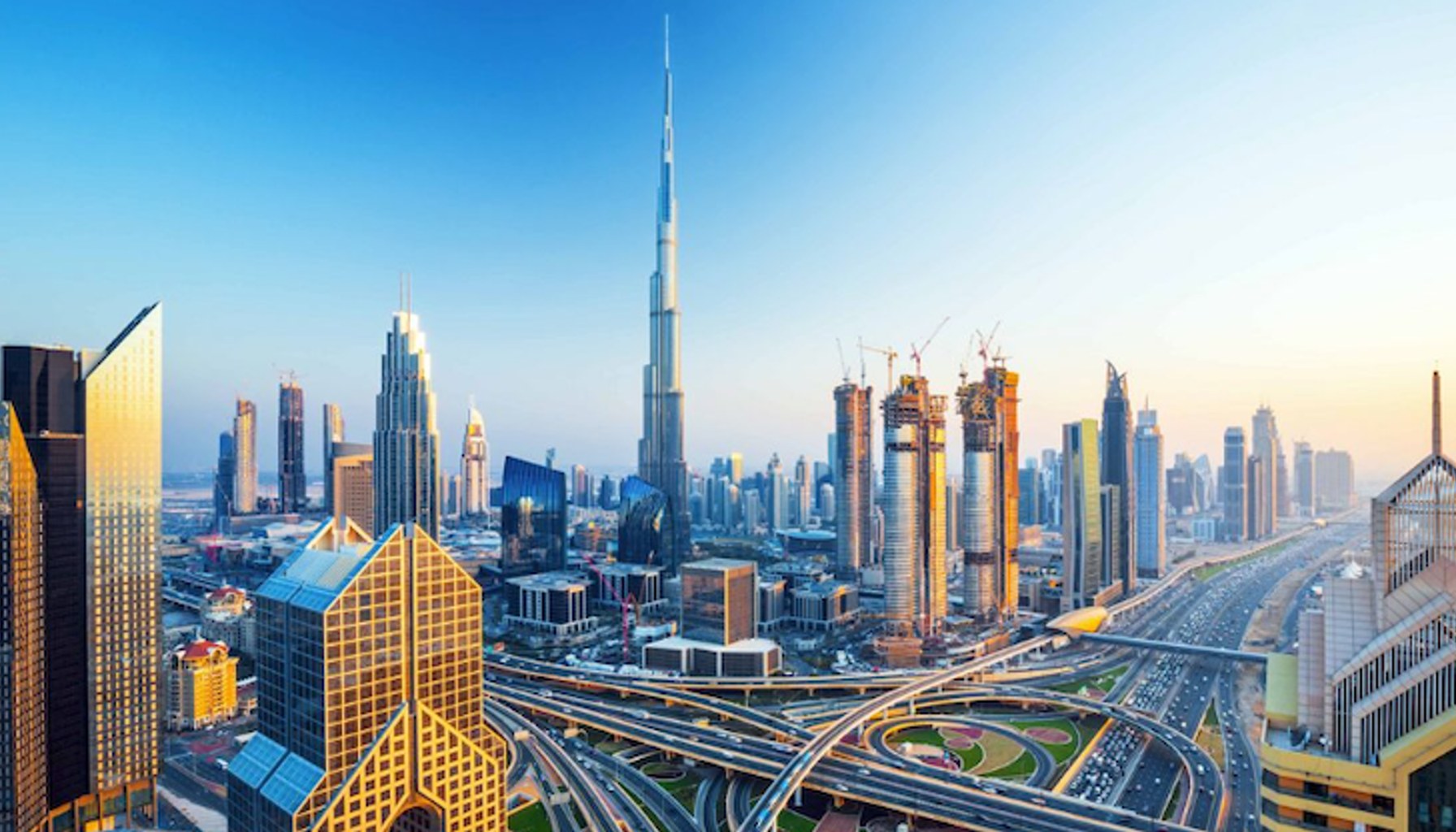
Dubai flips the switch—from buyer to builder—in robotics.
The Desert Digitalises chronicles a city that’s moving from importing clever machines to engineering and deploying them at scale. In a region famed for megaprojects and glittering skylines, the automation push is quietly remaking the manufacturing floor. Production data shows the city turning its policy levers—free zones, research funding, and talent programs—into a fertile ground for local robotics developers and system integrators. The result isn’t a single gleaming rollout but a coordinated, multi-year effort to create an end-to-end ecosystem: hardware, software, and the people who stitch them together.
Integration teams report that the ambition is matched by intent: Dubai is building an operating rhythm where pilots evolve into deployments and then into repeatable capabilities. The first-order outcome is clear: more in-house capability means shorter lead times for critical automation projects and less exposure to the “vendor demo, budget crunch, unclear handoff” cycle that torpedoes many automation plans. But the story isn’t just about shiny cobots. It’s about the discipline of deployment—lifting a technology from a lab bench into a production cell with predictable outcomes.
From a practitioner’s vantage, several levers stand out. First, the ecosystem maturity matters as much as the hardware. Local integrators, software partners, and service providers are maturing in tandem with the hardware catalog, creating a more coherent supply chain for automation projects and reducing the need for long, opaque vendor handoffs. Integration teams report that success hinges on clarity of roles, robust project scoping, and a realistic view of what “seamless” actually costs in time and money. Dubai’s push is as much policy as it is silicon, and that alignment is a rare catalyst for multi-site deployments.
Second, the ROI discipline is shifting from “demo ROI” to demonstrable, repeatable deployments. The true payback comes when a facility can replicate a robust automation model across lines, with standardized modules, documented maintenance, and trained operators. The desert city’s trajectory suggests a growing willingness among manufacturers to fund long-tail investments: workcells that require upfront training, carefully staged integrations, and ongoing software updates rather than one-off hardware purchases.
Third, the human side remains decisive. The region’s plan acknowledges that automation must be paired with upskilling: operators who understand teach pendants and technicians who maintain cobots and their software. Floor space, electrical planning, and process change management are as critical as the robot arms themselves. Without a deliberate focus on hands-on training hours and clear handoffs between integration teams and line personnel, even the best machines stall in the calibration phase.
Lastly, the environmental and cybersecurity considerations deserve attention. Desert climates impose enclosure design realities and cooling strategies that demand more than off-the-shelf gear. And as deployment scales, so does the need for resilient cybersecurity and software-ecosystem controls to protect automated lines from disruptions or tampering. These aren’t afterthoughts; they’re design constraints that shape vendor selection and deployment timing.
What to watch next, from a practitioner’s lens: watch for the emergence of scalable playbooks—templates for site assessment, power and network provisioning, and operator training that can be repeated across facilities. observe how new local capabilities interact with global suppliers; a mature hub isn’t just about inward investment but about building a globally connected supply chain for automation. And monitor how the city translates policy ambitions into measurable productivity gains on the floor—cycle-time reductions, throughput gains, and, most importantly, reliable uptime across shifts.
In short, Dubai isn’t merely importing robots; it’s stitching a regional, end-to-end automation fabric aimed at predictable, repeatable deployment. If the early indicators hold, the desert could become a blueprint for how city-led initiatives accelerate industrial digitalisation—and, in the process, redefine what “made in the region” really means.
- The Desert Digitalises: How Dubai is Engineering a Global Hub for Robotics and Automationroboticsandautomationnews.com / Source role not classified / Published APR 08, 2026 / Accessed APR 08, 2026