Manufacturing AUTOMATION Marks 40 Years Covering Canada’s Factory Technology Shift
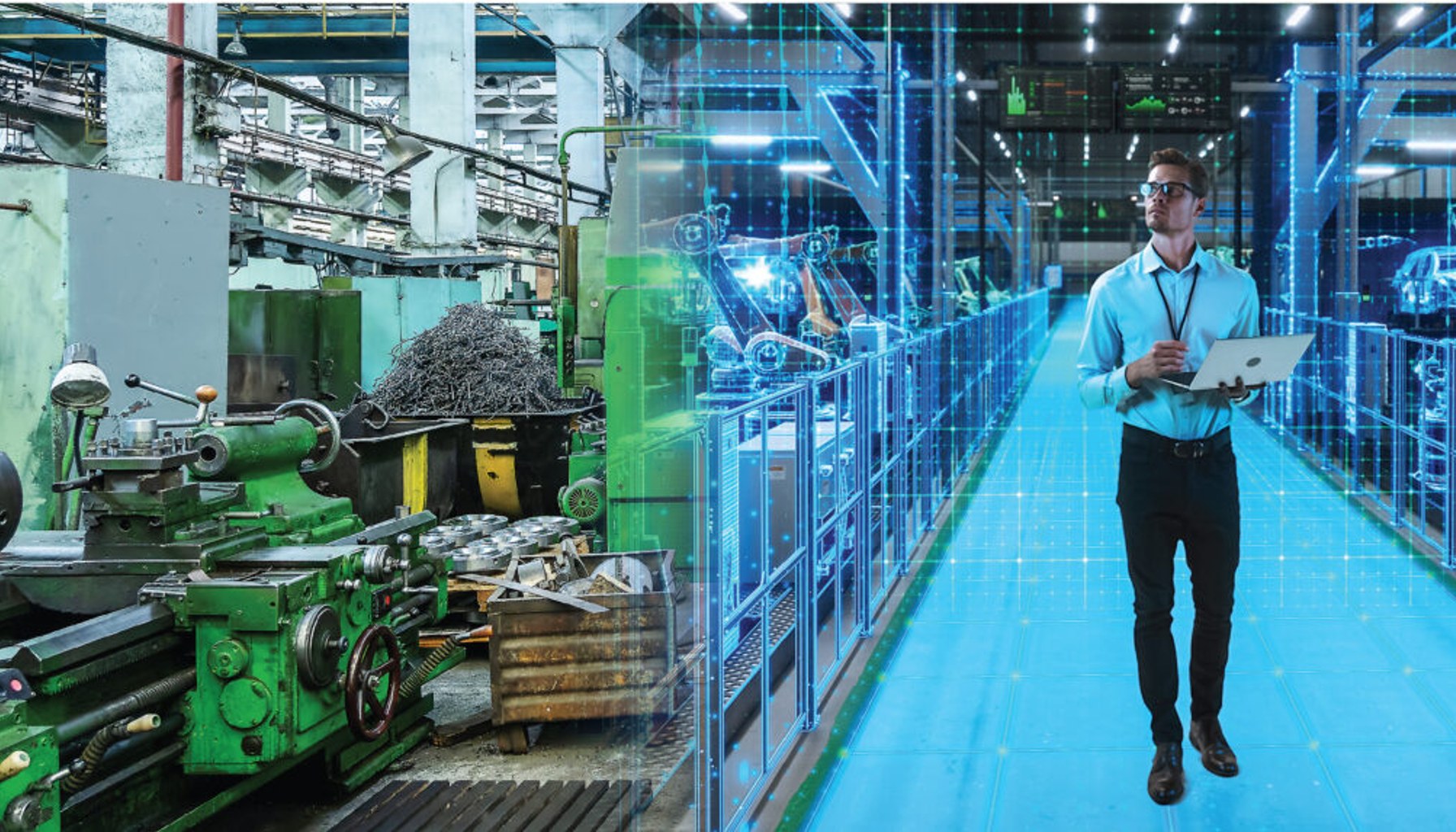
Image / automationmag.com
The anniversary retrospective brings together long-time contributors on advocacy, digital publishing, technology change and an aging industrial workforce.
Manufacturing AUTOMATION is marking its 40th anniversary in 2026, using the milestone to revisit how Canada’s manufacturing and automation sectors have changed since the publication began in 1986 as Automation Products and Technology.
Editor Jared Dodds spoke with past staff and long-time contributors about the publication’s role in documenting factory technology, business conditions and workforce issues through shifts in political leadership, economic cycles and major global events.
Paul Hogendoorn, a founder, investor and entrepreneur who currently leads TPI-3, has contributed columns to Manufacturing AUTOMATION for more than 20 years. He said the manufacturing sector has lost influence in recent years and needs stronger advocacy.
That concern has direct operational implications. Automation projects are often judged by cycle-time reductions, labor availability, uptime and payback period, but their economics can also depend on policies affecting capital investment, energy costs, training and the supply chain. A plant cannot realize a robot cell’s expected throughput if it lacks programmers, maintenance staff, fixtures, safety integration or stable upstream material flow.
Former editor Mary Del Ciancio reflected on the publication’s move toward digital reporting and audience engagement. The transition mirrors the change in the industrial market itself, where equipment suppliers and plant operators increasingly exchange information through digital channels rather than relying solely on print trade coverage.
Jeremy Pollard, identified by Manufacturing AUTOMATION as an industry expert, discussed major technological advances alongside the challenge of an aging workforce. For manufacturers, that issue is not simply a labor-count problem. Automation can augment welders, inspectors, machine operators and other craft workers by taking repetitive handling, inspection or transport tasks out of a process. It does not eliminate the need for experienced people who can set up equipment, respond to exceptions and maintain production quality.
The anniversary is principally an industry-trade milestone rather than a new automation deployment or policy action. Still, it offers institutional memory for Canadian manufacturers evaluating what has persisted through four decades of technology change: automation succeeds when it is integrated into production operations, supported by skilled labor and measured against practical output targets.
Manufacturing AUTOMATION said it intends to continue fostering discussion about Canada’s manufacturing future. The publication’s retrospective identifies advocacy, workforce aging, digital communication and technological change as continuing subjects for that discussion.
- Four Decades Of Insight - Manufacturing AUTOMATIONautomationmag.com / Trade / Published JUL 14, 2026 / Accessed JUL 20, 2026