Neanderthal idea hit by population structure
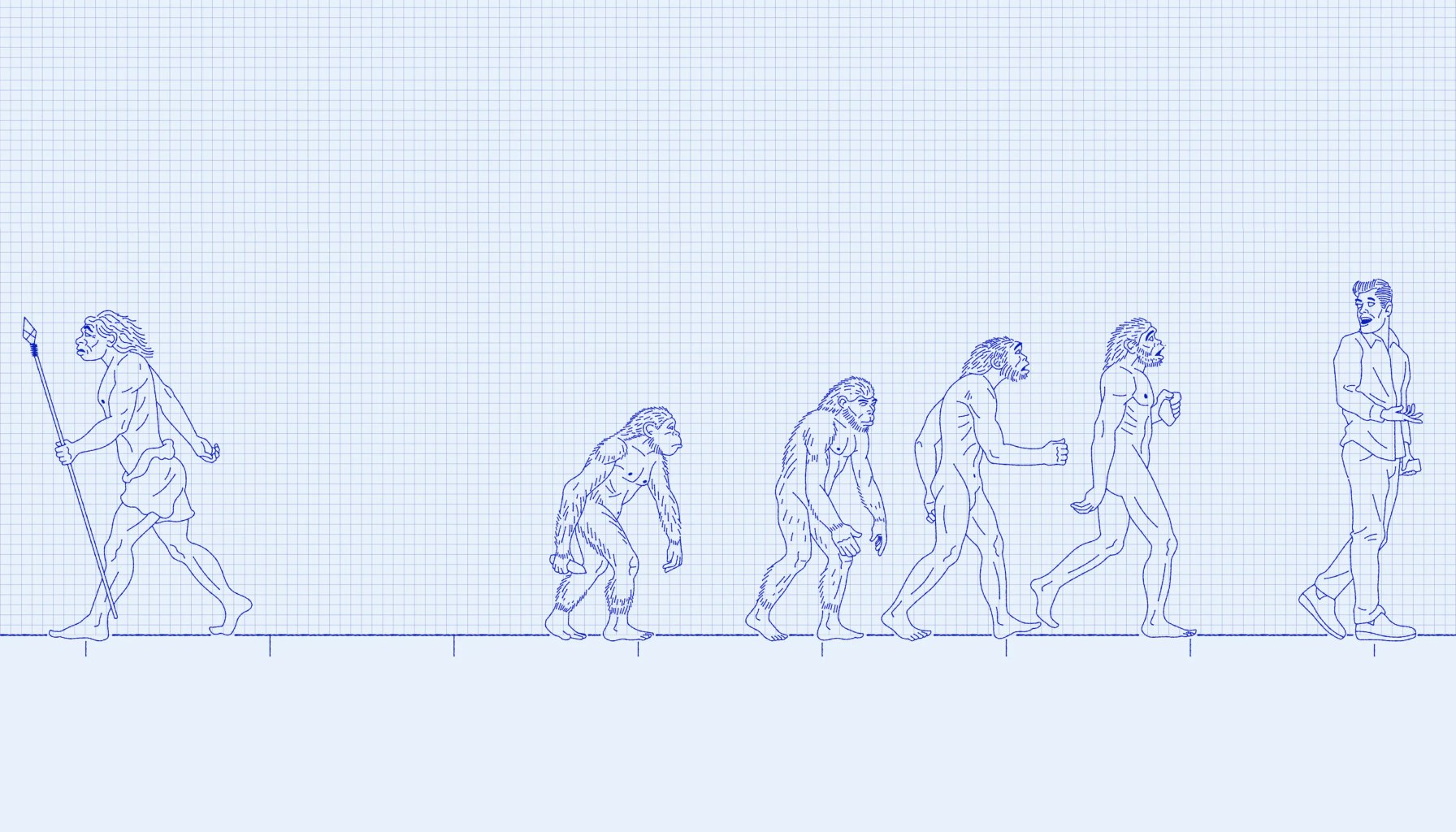
The inner Neanderthal idea just crashed under new population-structure evidence.
Two French population geneticists, Lounès Chikhi and Rémi Tournebize, challenge the backbone of the long-running narrative: that modern humans carry Neanderthal DNA because our species once mated with Neanderthals in a mostly random, continent-spanning world. The authors argue that the foundational assumption—panmixia, or random mating across huge populations—may be invalid. Their point: ancient humans did not live in a global mating pool. They shuffled through Africa in smaller, interconnected groups separated by deserts, mountains, and cultural boundaries. Archaeology, genetics, and fossils all point to a picture of structured, compartmentalized populations rather than a single, well-mixed ancestral pool.
If true, the familiar read of Neanderthal ancestry in non-African genomes would need recalibration. Signals doctors once attributed to direct introgression—segments in our DNA that look Neanderthal-like—could instead arise from how early human groups were structured, drifted apart, and occasionally mixed in ways that mimic admixture in statistical tests. In other words, the same data can tell a different story when you change the underlying demographic assumptions.
The paper doesn’t close the book on Neanderthal DNA, but it does raise the bar for how confidently we can infer introgression without more robust demographic controls. The claim is not simply “we were wrong about Neanderthals.” It’s “the modeling frame matters as much as the signal itself,” and the frame that assumes large-scale random mating may be masking a more intricate history.
Analysts will tell you this is a necessary reminder for a field hungry for clean splits between “us” and “them” in the genome. As soon as you introduce realistic population structure into the models, the door opens to multiple routes by which similar patterns can emerge—some of them without invoking Neanderthal gene flow to the extent previously assumed. This reframes a portion of the literature on human evolutionary history and invites a re-examination of classic admixture estimates with more nuanced demographic scaffolding.
Here are a few takeaways for practitioners working at the intersection of genetics, data interpretation, and public science communication:
Analogy: imagine trying to hear a whisper in a crowded stadium. The crowd’s roar can mimic the whisper you’re listening for, unless you know exactly where the fans are seated and how they’re moving. Population structure is the stadium seating; introgression is the whispered line read that only makes sense once you map the crowd.
This debate matters beyond theory. It shapes how we teach human evolution, how we frame genetic ancestry in media, and how researchers design future studies to separate true genetic exchange from the fingerprints of population structure.
- The problem with thinking you’re part Neanderthaltechnologyreview.com / Source role not classified / Published APR 14, 2026 / Accessed APR 14, 2026