Robot.com unveils R-noid for burnout jobs
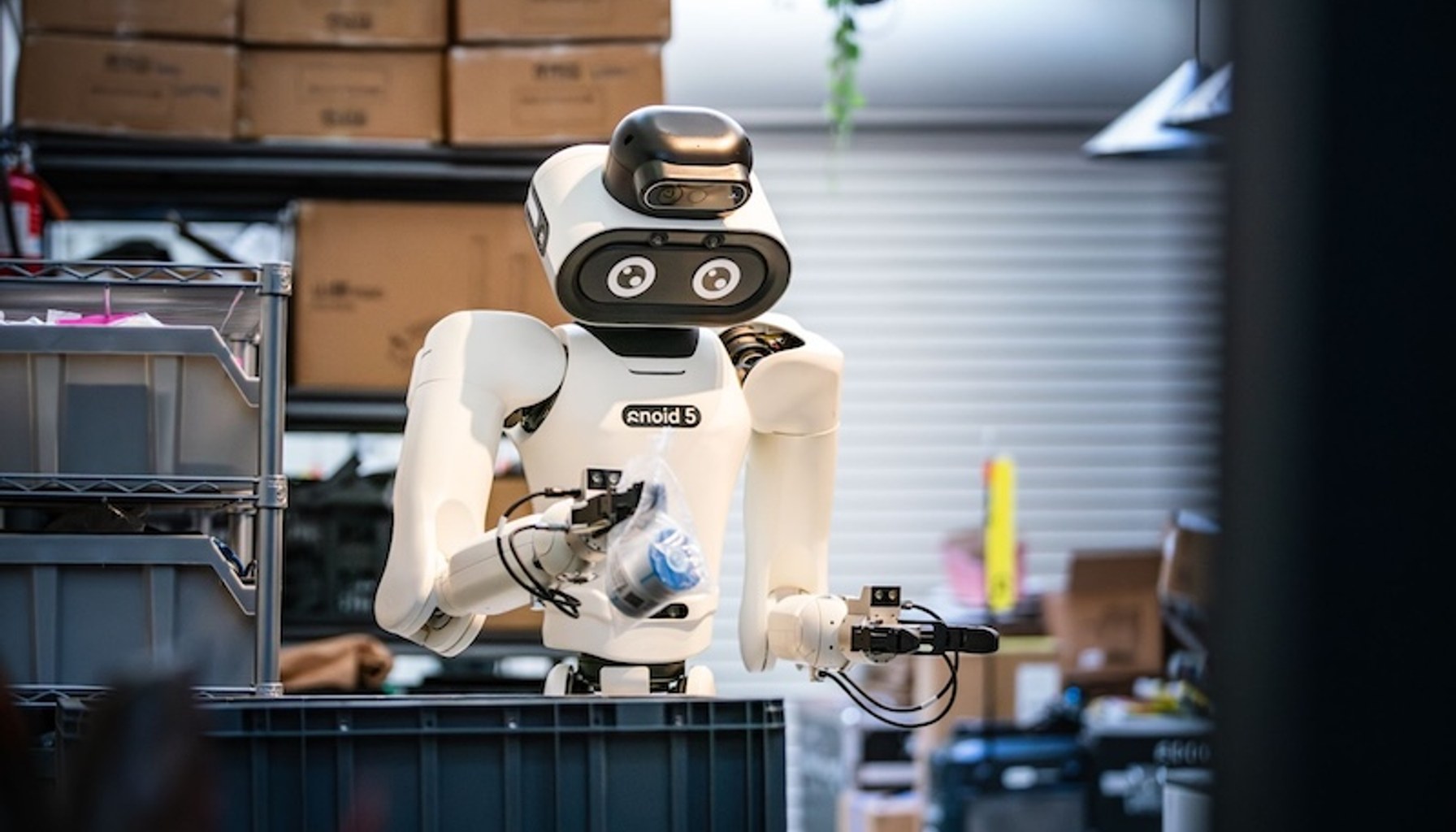
Image / Robotics & Automation News
R-noid is ready to work the long shifts humans dread. The company on July 13, 2026, announced its commercial launch of R-noid, a humanoid built for the repetitive, multi-shift, and hard-to-staff jobs that wear people down. The company reports that the system is offered under a Robot as a Service model, promising a path from the first site visit to autonomous on-site operation without heavy upfront capital.
Robot.com frames R-noid as a practical reformer, not a sci fi fantasy. In its description, the robot is designed to tackle tasks that recur across shifts and locations, where fatigue or turnover makes human staffing volatile. The RaaS approach means customers pay for access and performance rather than ownership, with maintenance and upgrades bundled into the service agreement. That shifts risk from the buyer to the service provider and aligns incentives around uptime, repeatable performance, and predictable operating costs. The company emphasizes the end-to-end arc: survey a site, configure the robot for the target workflow, deploy, and then run autonomously with technician support as needed.
In practice, the launch sets expectations for how humanoids enter real-world operations. The emphasis is on labor-intensive, multi-shift environments, such as facilities with high turnover or speed-critical routines where a consistent human crew is hard to sustain. By offering a turnkey path from assessment to on-site autonomy, Robot.com signals a move toward shorter lead times and clearer service deliverables, which operators typically crave when evaluating automation investments. Testing shows that the emphasis on continuous coverage across shifts can help stabilize output and reduce the human toll of repetitive work.
From a practitioner perspective, there are several constraints and tradeoffs that operators will watch closely as R-noid moves beyond the press release. First, the economics of RaaS hinge on uptime and utilization. Buyers will compare the ongoing service fees against the expected productivity gains, and they will want strict SLAs for reliability, fault handling, and maintenance intervals. The model reduces upfront capex, but the total cost of ownership depends on how often the system requires on-site intervention and how quickly it can recover from faults without halting lines. Second, integration with existing infrastructure matters. To keep lines running, R-noid will need predictable interfaces with conveyors, fixtures, and safety systems, along with clear maintenance handoffs to local technicians. Third, the shift-focused use case raises questions about battery life, charging cycles, and fleet management. A single unit may perform well in one site, but production-grade deployments typically demand scalable charging and fault-tolerant scheduling across multiple robots and work zones. Finally, the leap from a pilot to production is nontrivial. Operators will test whether the robot can adapt to site-specific tasks, exception handling, and evolving workflows without frequent bespoke reprogramming.
The industry is watching how quickly a humanoid like R-noid can prove its mettle across different job families and facilities. If the RaaS model delivers reliable, measurable gains in throughput and worker well-being, it could reshape the ROI math for automation programs that were previously constrained by upfront costs and risk. Critics will probe how well the system handles edge cases, maintenance demands, and cross-site transferability. Proponents, meanwhile, will point to the potential for steady, multi-shift coverage and the ability to reallocate human labor to more skilled tasks rather than repetitive drudgery.
What to watch next is simple: uptime in real-world settings, the smoothness of the site survey to autonomy workflow, and the long-term economics under a true production deployment. If R-noid can meet those tests, it could become a notable notch in the shift from ownership to access in industrial robotics, with operators paying for consistent, burnout-reducing performance rather than a one-off device.
- Robot.com launches humanoid ‘built for the work that burns people out’Robotics & Automation News / Trade / Published JUL 13, 2026 / Accessed JUL 13, 2026