ESP32 Bluetooth Presence Sensor Knows Your Room
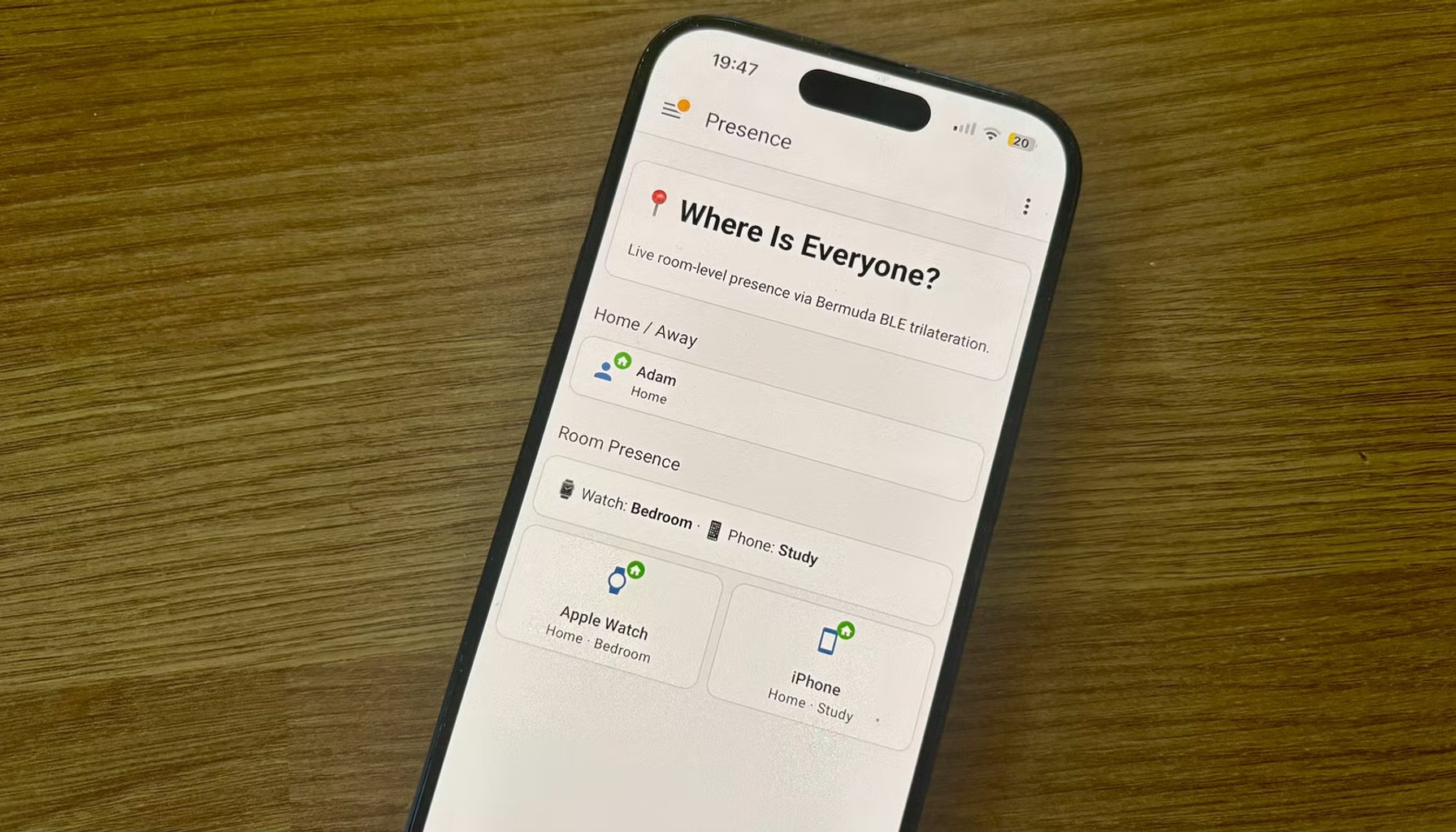
Image / How-To Geek Smart Home
A $5 chip just turned your home into a room-by-room spy.
Your smart home can now learn not just whether you’re home, but which room you’re in, with nothing more exotic than an ESP32 microcontroller. The How-To Geek guide shows that a Bluetooth presence sensor can be built at home to distinguish between rooms by scanning for nearby devices and using signal cues to infer location. In practice, that means automations can go beyond “all the lights off when empty” to adjusting heating, cooling, or fans based on the specific space you occupy. The result is a more granular, truly energy-saving setup that can feel almost like magic until you consider the costs and the caveats.
Cost-wise, the hardware is the punchline. The entry price is tiny: expect to pay for an ESP32 board and a handful of tiny components, with total outlay measured in a few dollars. There’s no mandatory monthly subscription here, since the processing and presence logic run locally on the device. That local-first approach appeals to privacy-minded shoppers who don’t want a cloud service constantly watching their movements. Still, the cost of entry isn’t only monetary; it’s time. You’ll need to wrestle with setup, calibrate room boundaries, and test reliability across doors, open space, and furniture layouts. DIY presence sensing rewards hands-on tinkering with a practical payoff, but it’s not a plug-and-play product.
The catch, of course, comes into sharp relief once you start counting tradeoffs. Privacy is at the heart of the calculation: even if data stays on the local network, Bluetooth sniffing can reveal when you’re in a particular room, and if you ever connect the sensor to cloud dashboards or external services, that visibility expands. DIY setups give you control, but they also demand careful security hygiene. Misconfigurations can expose your presence data to the wider network, or invite unintended automations triggered by stray devices. And while the approach can feel private, nothing is immune to a breach or misassignment of location, especially if sensors misread a neighbor’s phone or a visitor’s device.
From an industry perspective, this DIY project sits at the intersection of affordability and personalization that has been reshaping smart homes for years. A handful of inexpensive boards, once the preserve of hobbyists, are now standard tools for location-aware automations. The upside is measurable energy savings and a more intuitive user experience: lights, climate, and outlets respond to where you actually are, not where a central hub thinks you should be. The downside is the fragility of room-level localization. Walls, furniture, and device placement can distort readings, and a setup that works perfectly in one home may need re-tuning in another. Practitioners should expect iterations: you may swap to more rooms, adjust thresholds, or add complementary sensors to shore up accuracy.
Two to four practical takeaways emerge for anyone considering this route. First, reliability hinges on signal geometry; expect to calibrate for each home layout and accept occasional misreads. Second, power and placement matter: if you rely on batteries, you’ll face maintenance cycles; if you use mains power, you need a stable installation. Third, keep data handling local by default to preserve privacy, and only connect to cloud services if you explicitly weigh the tradeoffs. Fourth, this approach scales with care: adding more ESP32 nodes can improve coverage, but it also increases coordination complexity and the chance of conflicting readings unless you implement clear aggregation logic.
For curious readers, the takeaway is clear: a low-cost microcontroller can turn your home into a space-aware environment, opening up smarter automations without a vendor’s cloud leash. The technology is accessible, the cost is modest, and the potential gains in comfort and energy use are real, so long as you respect the privacy and reliability limits that come with room-level sensing.
- I turned an ESP32 into a Bluetooth presence sensor, and it knows which room I'm inHow-To Geek Smart Home / Mainstream / Published JUL 13, 2026 / Accessed JUL 13, 2026