Shipping Desk Automation Slashes Errors
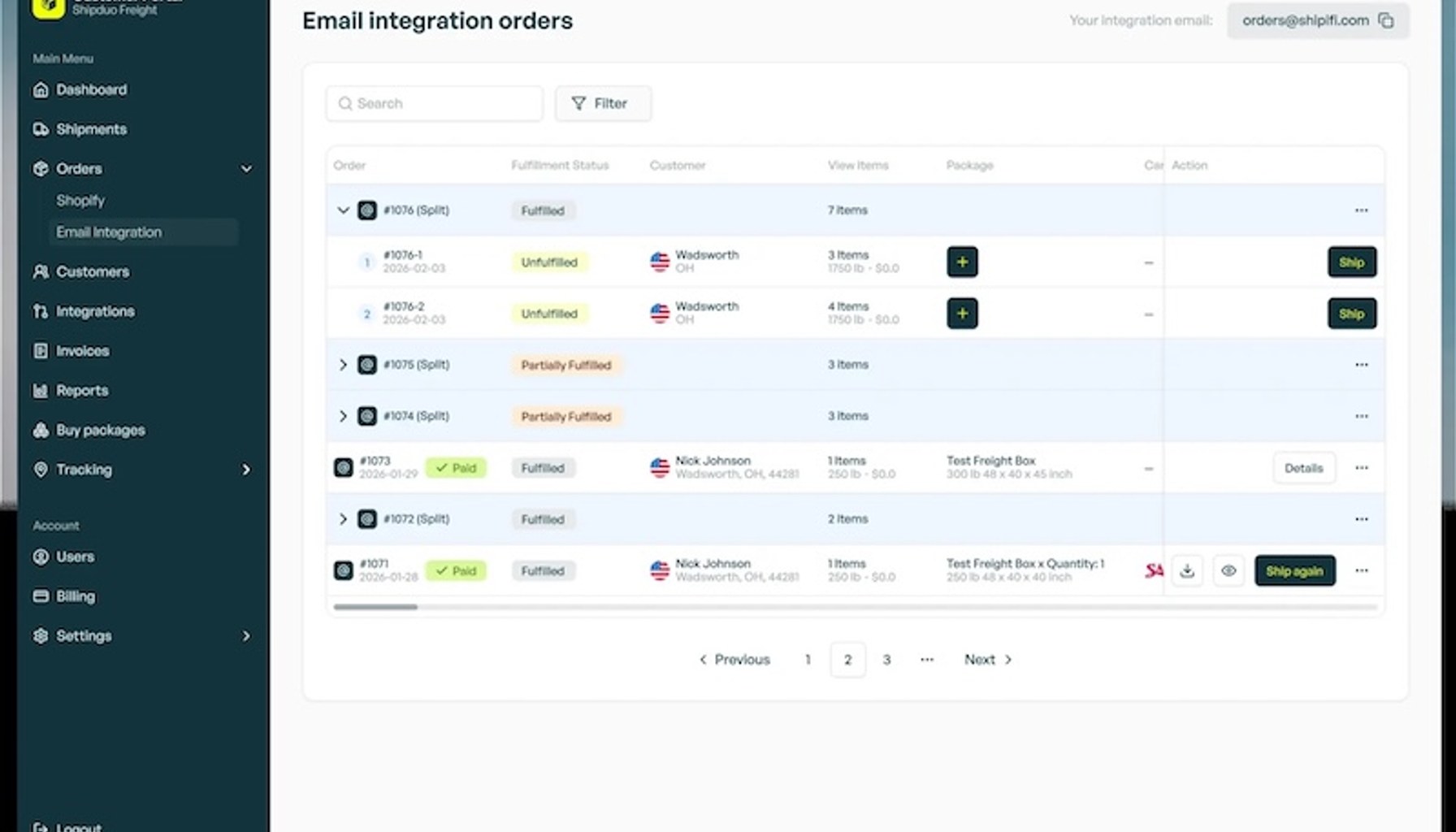
Image / Robotics & Automation News
Deployment data shows shipping errors fall when automation takes over handoffs. The story is not about a single miracle tool, but a steady shift in how data moves from an order screen to a carton and into carrier systems, under pressure checklists and tight deadlines. The case study reports that when automation handles the data handoffs, staff retyping and misreads drop, and the system-wide bottlenecks that usually trigger shipping mistakes begin to smooth out.
At the heart of the change is a practical insight: most errors do not erupt from dramatic crashes but from ordinary handoffs. An order is pulled, fields are copied, a carton is tagged, and a carrier is chosen under time pressure. Automation targets the friction points in that sequence. The deployment data shows a meaningful reduction in the retyping and interpretation tasks that used to trip up workers, with a cascade of downstream benefits. The case study reports that when these handoffs are automated, the likelihood of mismatched SKUs, wrong addresses, and incorrect service levels declines significantly, and the ship-from cycle becomes more predictable.
One lever is auto-populating data and standardizing fields. When the system feeds the carton label from the order and packing data, it removes the variability that comes with human entry. That consistency helps downstream validation and reduces the chance of a mismatch between the carton and the carrier bill of lading. A second lever is end-to-end data validation across the chain. Automated checks compare order details, carton contents, and carrier requirements in real time, flagging anomalies before they become costly exceptions at the dock or during transit.
A third focus is tightening the link between the physical and the digital. Real-time labeling and barcode synchronization confirm that what leaves the warehouse matches what the carrier receives. When a discrepancy is detected, automated rerouting or alerting minimizes the delay, keeping throughput steady rather than letting a single error derail a shift. The fourth pillar is carrier and service level synchronization. Automation can select the appropriate service option and generate the correct label and manifest, reducing misroutes and the need for manual re-evaluation of options when demand or weather pressures shift.
Finally, robust audit trails and exception handling close the loop. Automatic capture of who changed what data and when creates accountability, while predefined recovery workflows help staff recover from misentries without cascading delays. The case study notes that these workflows reduce the time spent on manual correction and improve traceability for customer inquiries and carrier disputes.
From an operational perspective, the shift brings two immediate practitioner implications. First, integration requirements grow more critical. Successful deployment hinges on reliable connections between the order management system, warehouse management system, and carrier interfaces. IT teams must align data models, mapping, and update cadences to avoid new error sources. Second, the solution changes the labor mix rather than eliminating it. Automation augments clerical staff, taking over repetitive data tasks while leaving people to handle exceptions, validation, and exception resolution. That dynamic matters for ROI, because labor savings compound as cycle times shorten and throughput improves.
Looking ahead, the next watchpoints are scale and governance. As the system handles more SKUs and carriers, data quality must stay high, and monitoring dashboards must surface anomalies before they become urgent. Leaders should plan for phased rollouts that validate gains across lines of business and carrier ecosystems, with explicit targets for cycle time improvement and throughput uplift. The underlying message from deployment data and the case study is clear: automation at the shipping desk is not a miracle cure, but a disciplined, measurable way to reduce errors, speed shipments, and tighten control of the handoffs that used to break the chain.
- 5 Ways Automation is Eliminating Errors at the Shipping DeskRobotics & Automation News / Trade / Published JUL 13, 2026 / Accessed JUL 13, 2026