EU Robot Safety Shift Tests Supplier Readiness
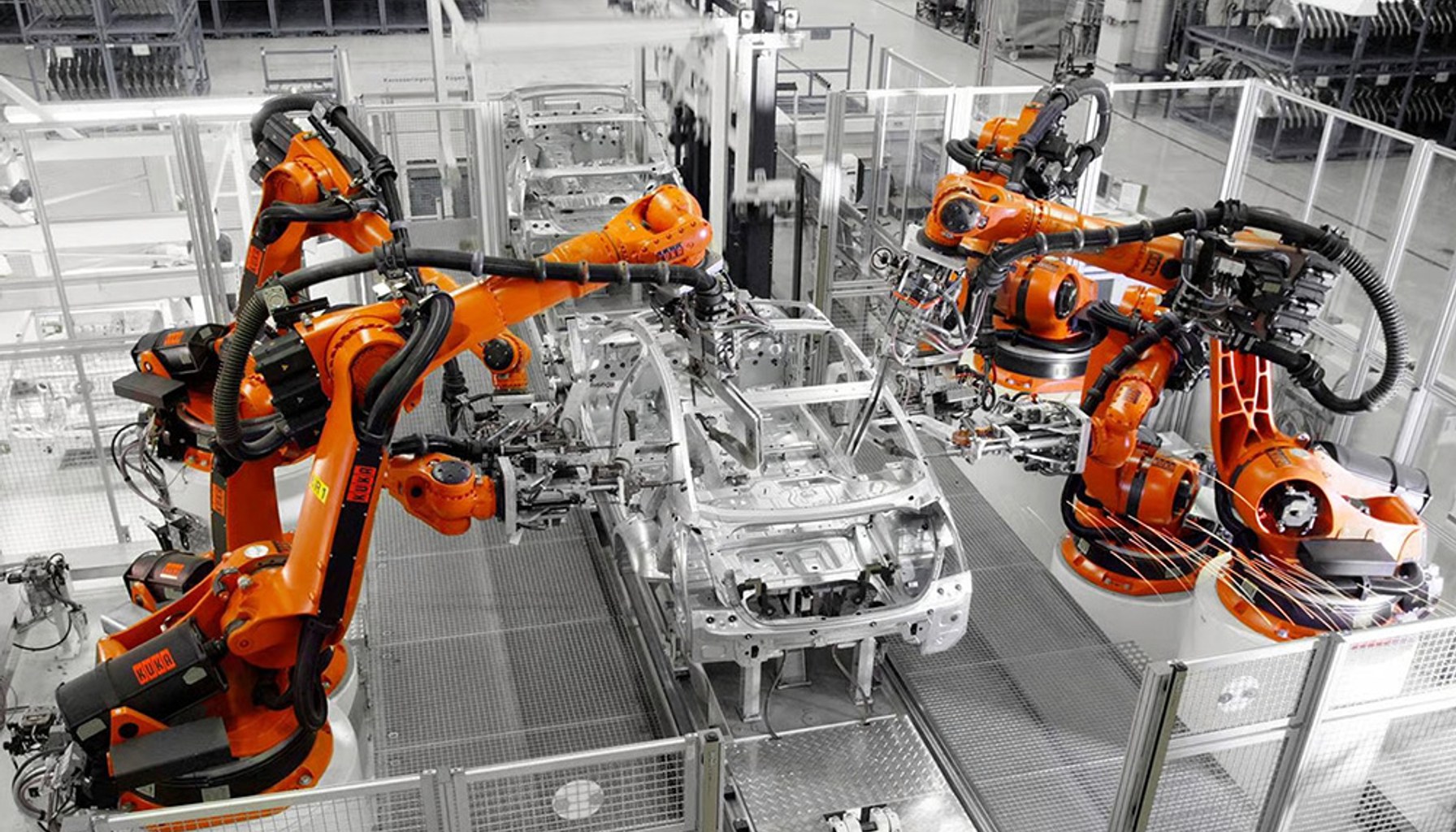
Image / The Robot Report
A new robot safety standard could redefine Europe’s automation market. The coming ISO 10218:2025 update, paired with a pivot in the EU Machinery Regulation, is forcing manufacturers, integrators, and buyers to rethink how industrial robots are designed, certified, and deployed across European plants. KUKA, a leading robotics supplier for automotive assembly, sits at the center of the shift as the industry absorbs how these changes will tighten safety expectations and raise the bar for conformity.
The regulatory arc is clear but nuanced. ISO 10218:2025 will become mandatory for CE marked industrial robots once the standard is listed in the Official Journal of the European Union, a prerequisite for the new Machinery Regulation EU 2023/1230 to take full legal effect. The formal transition is pegged for January 20, 2027, but experts caution that the timetable could drift as the EU completes the listing step and as economic headwinds push some suppliers to accelerate or slow their compliance roadmaps. In the United States, the parallel standard update remains voluntary, though the market still treats compliance as a commercial necessity for global vendors. The result is a bifurcated playing field: European buyers will increasingly demand certified safety, while US and other markets watch how European practice evolves.
Deployment data shows established global vendors are largely prepared for the shift, while mid sized and emerging suppliers show notable gaps in their readiness. That gap matters for plant managers evaluating automation investments, because supplier certification quality often translates into project cycles and integration risk. The push toward stricter safety controls means automation projects will carry more formal risk assessments, clearer interface requirements, and more thorough documentation as standard practice, not as an afterthought.
From an operations perspective, the move raises concrete questions about cycle times and throughput. Safety upgrades and conformity checks add layers to the procurement and integration cycle, even before the robot reaches the line. Integrators must coordinate with vendor safety features, machine risk assessments, and CE paperwork, then align with existing control architectures and safety PLCs. In practice, that means longer up front validation, tighter change control, and more rigorous commissioning with clear pass/fail criteria. For production leaders, the payoff is predictable and repeatable performance, reduced incident risk, and a smoother path to market access in Europe, but only if the chosen suppliers and integrators deliver compliant, well-documented solutions.
The path forward carries two to four practitioner-level insights for operators. First, integration requirements will become an ongoing program rather than a one-off event; site teams should plan for extended validation windows and formal safety integration with each robot cell. Second, the economics of compliance matter: the added cost of safety upgrades and documentation must be weighed against access to a large European market and the risk of supplier restrictions for non compliant equipment. Third, skilled trades implications will vary by deployment. Automation projects will amplify the role of control engineers and safety technicians who must validate interfaces with control systems, rather than replacing craftsmen on the shop floor. Finally, watch the OJEU listing process closely, because the formal listing of ISO 10218:2025 will unlock full legal effect under EU rules and set the tempo for subsequent audits, supplier qualification, and retrofits.
Deployment data shows that the case for upfront certification is not merely bureaucratic; it translates into reliability, traceability, and safer operations over the long run. The case study reports that companies investing now in compliant designs and robust documentation are positioning themselves to avoid bottlenecks as the 2027 deadline approaches and to defend their lead in a Europe-wide procurement landscape that prizes safety as a productivity lever, not a box to be checked.
- Are suppliers ready for new robot safety standards?The Robot Report / Trade / Published JUL 11, 2026 / Accessed JUL 13, 2026