A September 2026 trade-publication report draws lessons from surgical robots and warehouse automation, not independent performance testing.
The Robot Report’s September digital issue examines real-world use cases in healthcare and warehouse logistics. Its central lesson is practical: reliable automation depends on the operation around the robot, not just the machine itself.
At El Camino Health and Heart Vascular Institute, clinicians use Intuitive Surgical’s da Vinci system for coronary artery bypass grafting, according to The Robot Report. The report says precise motion control is necessary for minimally invasive procedures associated with faster healing and fewer complications.
It also describes El Camino Health’s robotic-surgery implementation as a way to relieve staff members’ cognitive burden and improve the consistency and accessibility of care. For hospital leaders, that points to a deployment question beyond purchasing equipment: how will the system fit the clinical process and staff responsibilities?
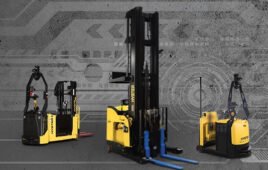
The warehouse section examines how autonomous mobile robots, or AMRs, fit into existing material-handling operations. Unlike automated guided vehicles and some automated forklifts, AMRs can act more independently. That flexibility still requires planning and coordination.
Before deploying a fleet, operators should settle practical questions such as which AMRs are safe around workers and who is responsible for maintenance. Those answers belong in the implementation plan, alongside safety procedures, software needs, and ownership of daily operations.
The report identifies four shared conditions for success: understanding the existing process, precise motion control, reliable software, and a clear implementation and management plan. It presents use cases and lessons rather than independent performance results, and the cited summary does not provide costs, throughput figures, or payback periods.
For operators, the next step is to map the work and assign responsibilities before choosing the robot.