Tariffs and AI reshape global plant strategy
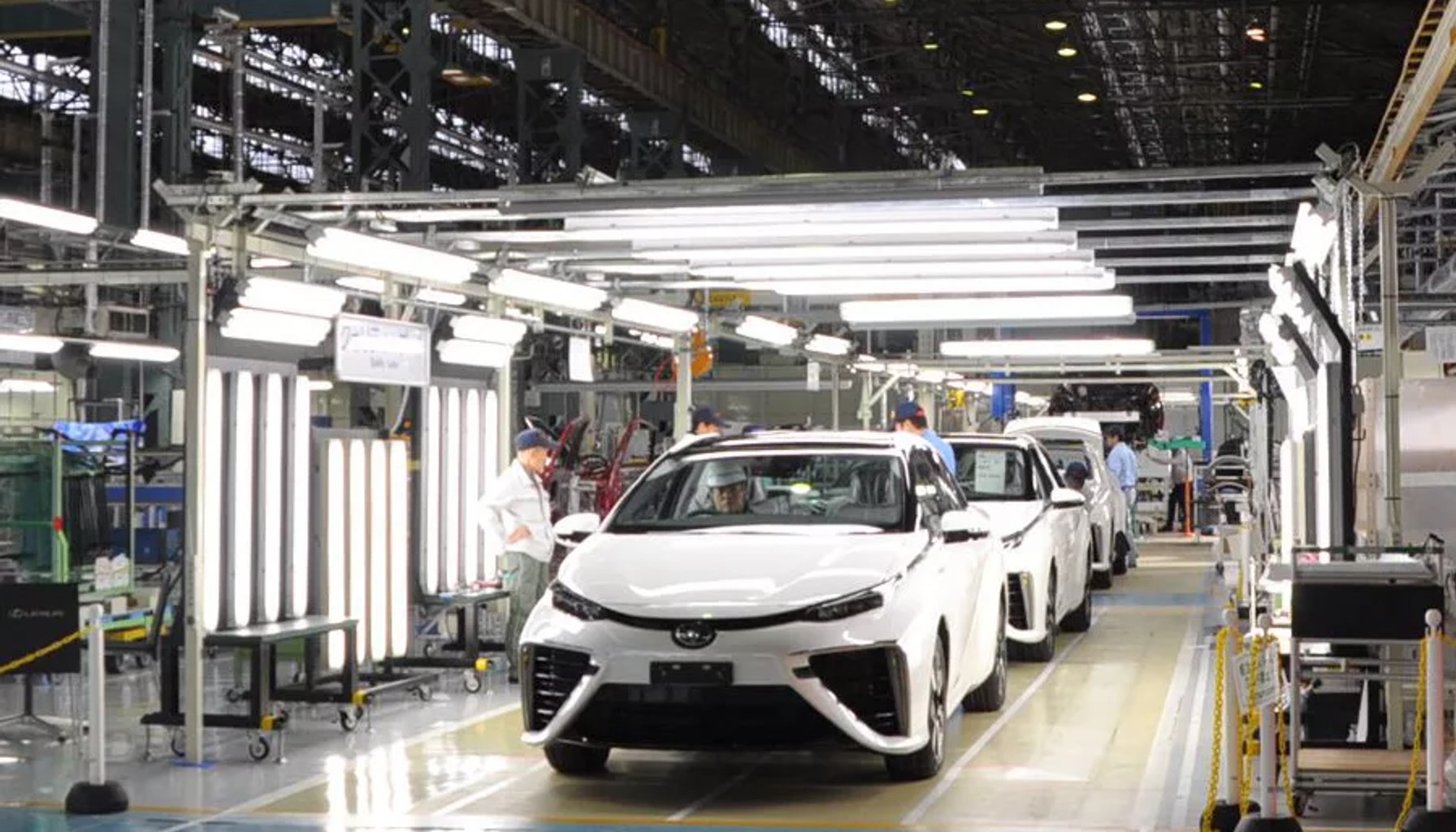
AI and tariffs are remapping where manufacturers plant products. A Boston Consulting Group report finds that artificial intelligence, advanced automation and rising tariff pressure are prompting automotive and aerospace players to rethink where they build, potentially eroding long-standing cost advantages tied to low-wage regions.
The case study reports that firms are weighing automation readiness, proximity to key markets and the resilience of supply chains as they decide where to locate production. Deployment data shows that the equation now includes more than labor costs: energy intensity, logistics reliability and the tolerance for tariff-related volatility are part of the calculus. In practice, plants that optimize for automation and local market access can offset some labor-based cost gaps, especially when capital and operating costs for high-mix, low-volume or complex products are managed with agile robotics, advanced analytics and digital twins. The report underscores that the decision is increasingly about operational leverage rather than raw wage differentials alone.
For plant managers and financial leaders, the stay-or-ment strategy hinges on clear operational metrics. Lead with the money, the industry says, and measure cycle times and throughput as primary gauges of automation value. In automotive and aerospace, even modest reductions in cycle time can translate into meaningful capacity gains, while sustained throughput improvements improve return on automation investments. Yet these gains depend on how deeply automation is integrated into the production system, not merely on adding more robots. The case study notes that near-term ROI rests on marrying smarter machines with stable processes, reliable data, and predictable maintenance schedules.
Integration requirements are a central theme. The report highlights that automation deployments no longer live in a vacuum; they demand alignment across shop floor equipment, enterprise resource planning, and manufacturing execution systems. Data interoperability, software updates and cybersecurity become ongoing obligations, not one-off tasks. Deployment data shows that successful programs connect sensors, PLCs and analytics platforms to deliver actionable insights in real time, while preserving traceability and regulatory compliance in highly regulated sectors like automotive and aerospace. For executives, the implication is obvious: automation is an operations play, not a one-off tech upgrade.
Two practical implications stand out for skilled trades on the floor. First, automation tends to augment craft labor rather than replace it outright, shifting jobs toward more technical oversight, programming and maintenance. Second, the human element remains essential for successful deployment: technicians and inspectors must be trained to validate robot performance, recalibrate lines as demand shifts and ensure quality under changing configurations. The case study emphasizes that the most robust automation programs blend machine rigor with human judgment, reinforcing the need for targeted upskilling rather than broad-scale displacement narratives.
From a strategic lens, the reshaped map of global production is a reminder that cost advantages are now a moving target. Tariffs, AI and automation are compressing the tradable costs that once favored distant, low-wage hubs, while offering new incentives to regionalize manufacturing around capable automation ecosystems. Leaders should run scenario analyses that compare total lifecycle costs, including energy, maintenance, downtime and logistics, against the upside of faster cycle times and higher throughput. The bottom line is that the road to smarter, closer-to-market production is not a straight line; it requires disciplined investment in automation, integration, and people.
- Tariffs, AI and Automation Reshape Global Manufacturing StrategyAssembly Robotics / Independent source / Published JUN 03, 2026 / Accessed JUN 03, 2026