Uptime is the real ROI behind automation
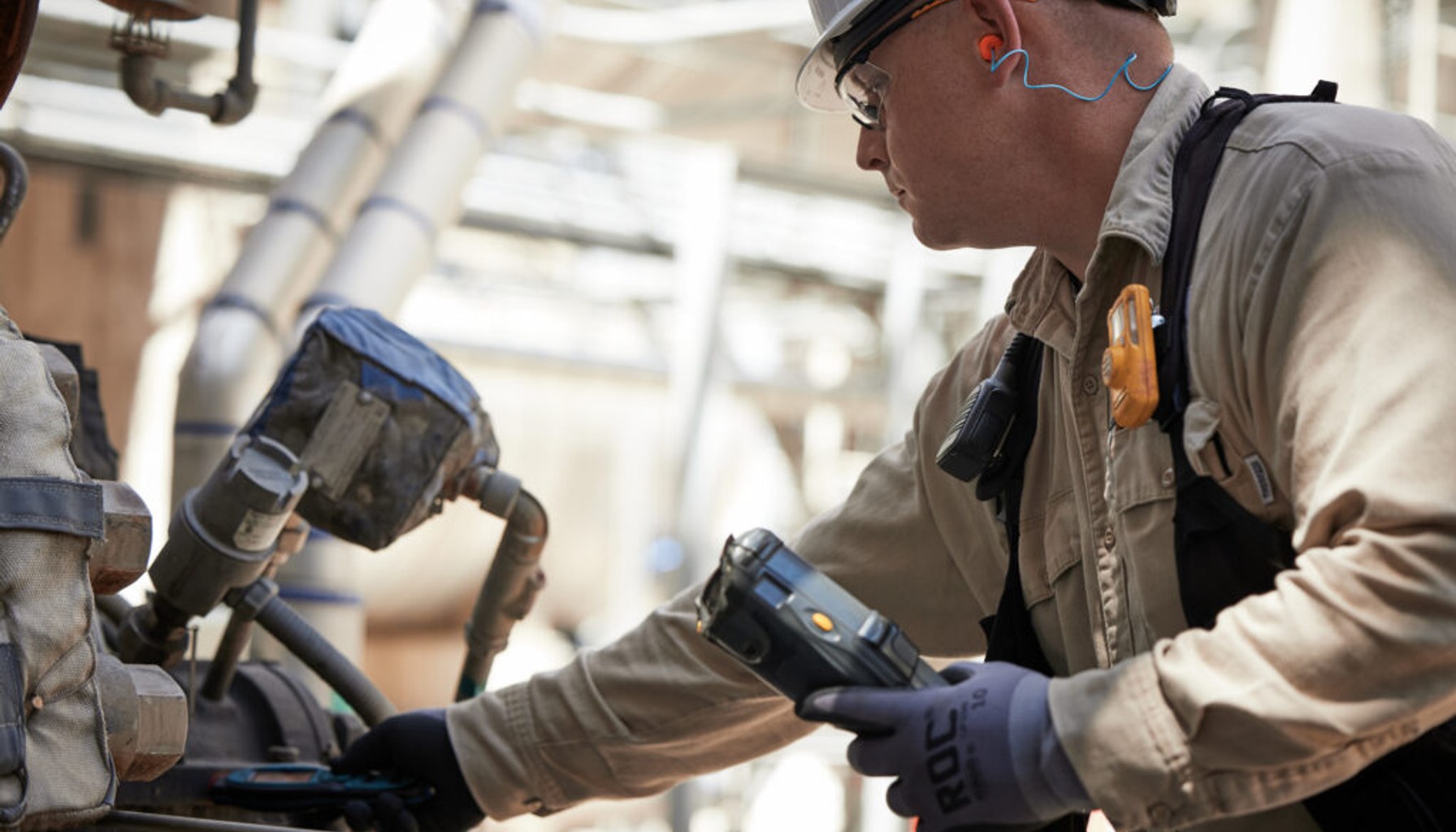
Image / Plant Engineering
Uptime is the real ROI behind automation.
Automation vendors promise miracles, but CITGO Petroleum’s Julio Acosta argues the truth is harsher and more practical: technology alone won’t rescue a plant. Without continuous workforce training, cross functional alignment, and a clear business case for reliability spending, even the sexiest new solutions won’t deliver. AI, interconnected systems and condition-based maintenance are shifting plant strategy from firefighting to prevention, aiming to keep production humming before a disruption hits.
Deployment data shows uptime and productivity rise only when reliability investments are matched with a disciplined maintenance program and strong cross functional governance. The industry is moving toward systems that talk to each other, share data, and require fewer manual interventions, but that reality comes with a caveat: the more you automate, the more you must invest in people who understand how those systems work together. The expert notes that AI will push automation deeper into processes with minimal human intervention, but it also makes it essential that all parts of the operation are interconnected for maximum efficiency and reliability.
The case study reports that the shift is not simply about buying new machines; it’s about designing a reliability engine. When customers demand safety, efficiency, reliability, ease of use and strong return on investment, vendors are pushed to deliver not just a gadget but an integrated solution. That means robust data flows, standardized interfaces, and governance that keeps OT and IT teams aligned. In practical terms, cycles of planning, procurement, training and maintenance must be synchronized so that improvements in one area don’t create bottlenecks in another.
Two to four practitioner insights emerge from the field as automation moves from pilot to production:
These realities also shape what plant leaders should monitor next. Start with the operational metric that matters most: cycle times and throughput. If uptime improves, cycle times should compress and throughput should rise, but the gains hinge on how well data flows, how quickly maintenance gaps are closed and how smoothly the automation stack integrates with existing controls. Management should push for clear business cases that tie reliability investments to measurable performance improvements, and they should vet automation partners for their ability to deliver not just hardware or software, but a complete reliability ecosystem.
In the end, automation is a tool to bend the curve on uptime and productivity, not a magic wand. The path to meaningful ROI is paved with people, process discipline and interoperable systems that keep the plant running when it matters most.
- Expert Q&A: How investing in maintenance, people can separate a plantPlant Engineering / Trade / Published JUN 30, 2026 / Accessed JUL 06, 2026