The Hybrid Hardware Boosting Factory Throughput
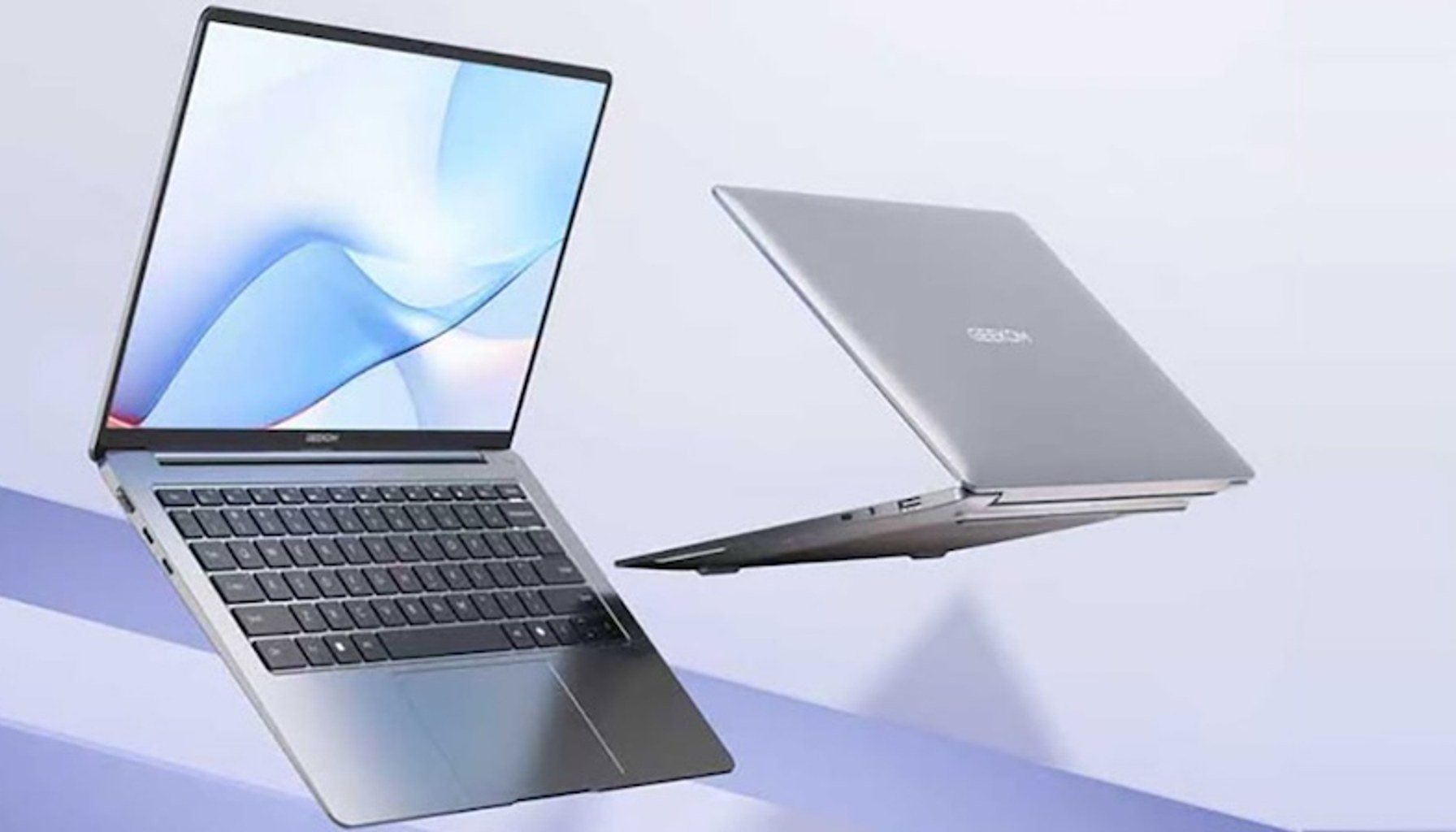
Image / Robotics & Automation News
The factory floor just got mobile, and the throughput proves it. The hardware powering the hybrid industrial workforce lets teams split their time between the office and the plant, syncing real time data with day to day action rather than trading clarity for productivity. Deployment data shows that this isn’t hype; it’s a measurable shift toward machines and people working as a single, mobile operating system, where decisions and actions travel across locations in minutes rather than hours.
The core promise is simple: by arming workers with devices that bridge the office and the shop floor, operations gain visibility into bottlenecks, enabling faster cycle times on repeatable tasks and higher overall throughput. The case study reports that tasks previously queued behind information gaps can move sooner when decision-makers see conditions as they unfold. In practice, this means lines can be tuned in near real time, with managers reallocating shifts or triggering automation modes as demand, maintenance needs, or quality checks shift. The result is a more flexible workflow where work isn’t bound to a single fixed station but can migrate to the next best available resource, whether that’s a person, a robot, or a combination of both.
But the magic does not come for free. Integration requirements are non-trivial. To unlock these gains, facilities must thread new hardware into the plant’s existing digital fabric, connecting shop-floor devices, wearables, and sensors with MES and ERP systems, and ensuring secure, low-latency data paths. The deployment data shows that ROI hinges on thoughtful integration planning: data models, control interfaces, and standard communication protocols must align with current PLCs and line controls, otherwise the promised cycle time improvements can stall at the interface. In short, “plug-and-play” remains a slogan rather than a practice; success depends on a deliberate, architecture-first approach that maps information flows from the edge to the enterprise.
Skilled trades play a defined role in this evolution. When automation is central to the work, it tends to augment craft labor rather than replace it. The hybrid approach often shifts tasks for linemen, inspectors, and technicians from repetitive data gathering to higher-value activities like on-site calibration, troubleshooting, and quality assurance, all supported by real time data streams. Automation handles routine checks, data capture, and process monitoring, while human specialists interpret signals, diagnose anomalies, and adjust parameters with context that only experience can provide. The result is a division of labor that leans into strengths on both sides: machines deliver speed, consistency, and situational alerts; people bring judgment, intuition, and hands-on expertise.
Two to four practitioner insights that stand out from early deployments:
The takeaway is practical: automation is not a miracle cure; it is a lever for operations to move faster and more predictably, provided you design the end-to-end data and workflow around it. The numbers aren’t just about gadget adoption; they’re about how information, people, and machines operate together under real plant conditions to deliver measurable improvements in cycle time and throughput.
- The Hardware Powering the Hybrid Industrial WorkforceRobotics & Automation News / Trade / Published JUL 04, 2026 / Accessed JUL 06, 2026