What we’re watching next in humanoids
By Sophia Chen
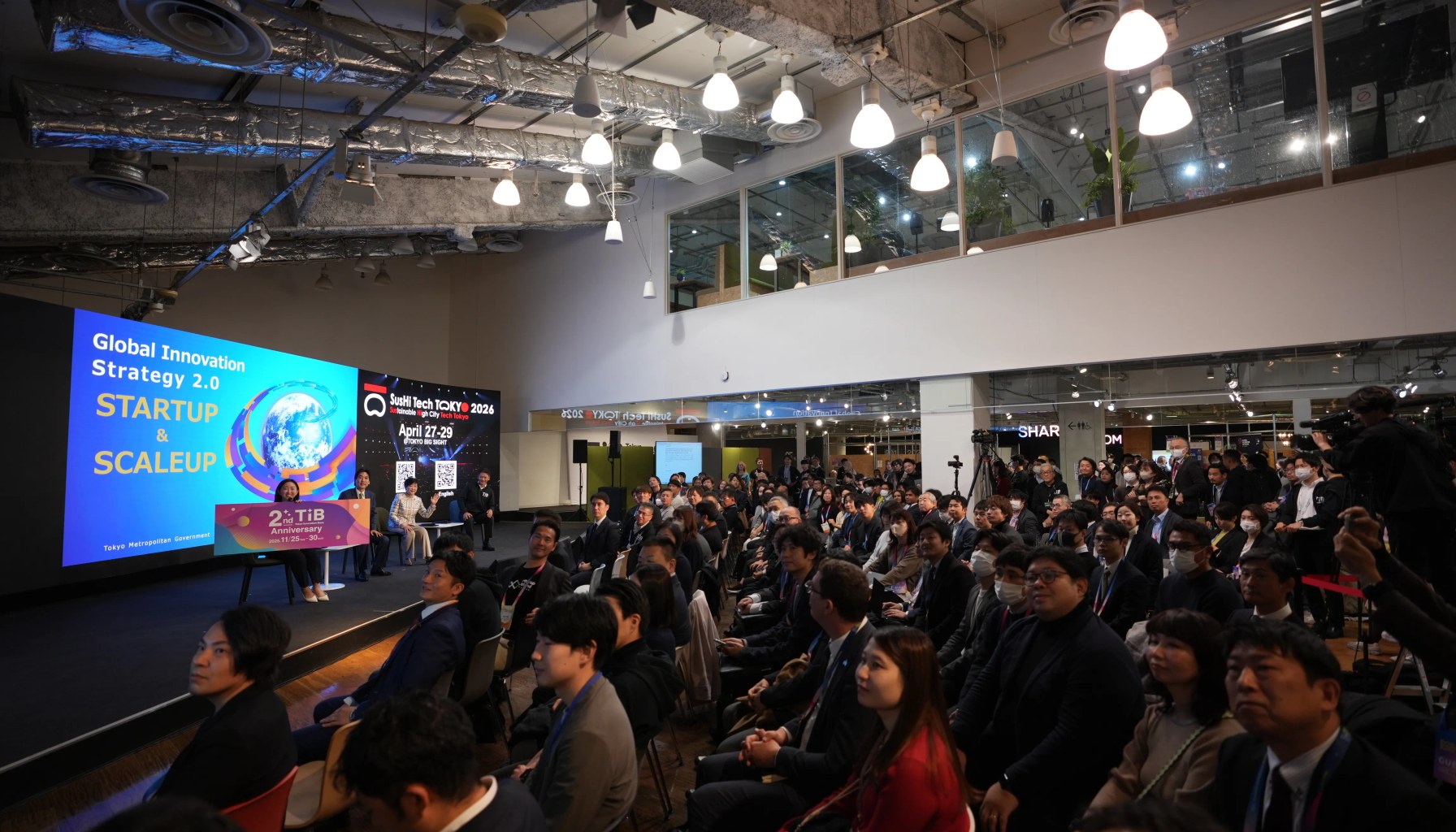
Image / techcrunch.com
Humanoids headline Tokyo’s tech stage with live demos that actually happen, not just hype.
TechCrunch reports that TechCrunch is heading to Tokyo and bringing the Startup Battlefield with it, anchored by SusHi Tech 2026’s four-pronged focus: AI, Robotics, Resilience, and Entertainment. The event promises live demonstrations of humanoid robots, a concentration of sessions on autonomous driving software, and deep dives into cyber defense, climate tech, and the cultural implications of AI on music and anime. In other words, this isn’t a brand-building reel—it’s a venue where engineers, researchers, and investors can scrutinize what actually moves from concept to capability in a controlled environment.
From a practitioner’s standpoint, the shift is meaningful. Demonstrations at a tech conference are a telling signal about a project’s current grip on integration: perception, planning, control, and the mechanical bracing to support it. The coverage highlights not just hardware, but the software stack that ties joints, balance, and manipulation together with autonomous decision-making. That integration is the hard part, and it’s where many “demo-ready” humanoids stumble when faced with real-world variability.
Several caveats follow. The engineering detail that matters most for real-world deployment—degrees of freedom (DOF), payload capacity, battery life, and the exact actuation scheme—has not been disclosed in the report. In other words, DOF counts and payloads for the humanoids shown remain unknown from the current coverage. The same silence extends to power sources and runtimes; the article notes live demos but does not publish propulsion or energy-data, so the energy-budget risk remains unquantified for now. Engineering documentation would normally reveal torque budgets, joint-level limits, and thermal behavior; the absence of that data here means we’re watching for what’s disclosed next rather than what’s proven.
Technology Readiness Level-wise, the event points to demonstrations in a controlled environment rather than field-ready deployments. The presence of live demos in a conference setting suggests a TRL around 5–6 (demonstration in a relevant environment, with a defined set of tasks) rather than TRL 8 or 9 (fully qualified, in the field). It’s a positive sign for software maturity and integration work, but it’s not a passport to real-world service robots yet.
A sober look at the current limits remains essential. Expectation management is the key: dynamic balance under varied loads, robust object manipulation without breakage, perception in cluttered environments, and safe human-robot collaboration at scale are the next friction points. Historically, manufacturers over-promise on dexterity and autonomy; the true test is whether these demonstrations translate into reliable, repeatable performance in non-lab contexts. If SusHi Tech 2026 leaves attendees with more question marks than answers about runtime, autonomy, and robust manipulation, that’s not a failure—it’s a reminder of how far the hardware-software stack still has to travel.
Compared with earlier humanoids, the emphasis here appears to be on tighter integration of AI with motor actuation and a broader ecosystem around the robot (cyber defense, climate-tech, and media applications). Improvements in perception, planning, and safety overlays would be meaningful, but significant hardware constraints—power density, thermal management, and long-term reliability—remain the chokepoints that separate demo success from field-ready utility.
What we’re watching next in humanoids
Sources
Newsletter
The Robotics Briefing
Weekly intelligence on automation, regulation, and investment trends - crafted for operators, researchers, and policy leaders.
No spam. Unsubscribe anytime. Read our privacy policy for details.