What we’re watching next in humanoids
By Sophia Chen
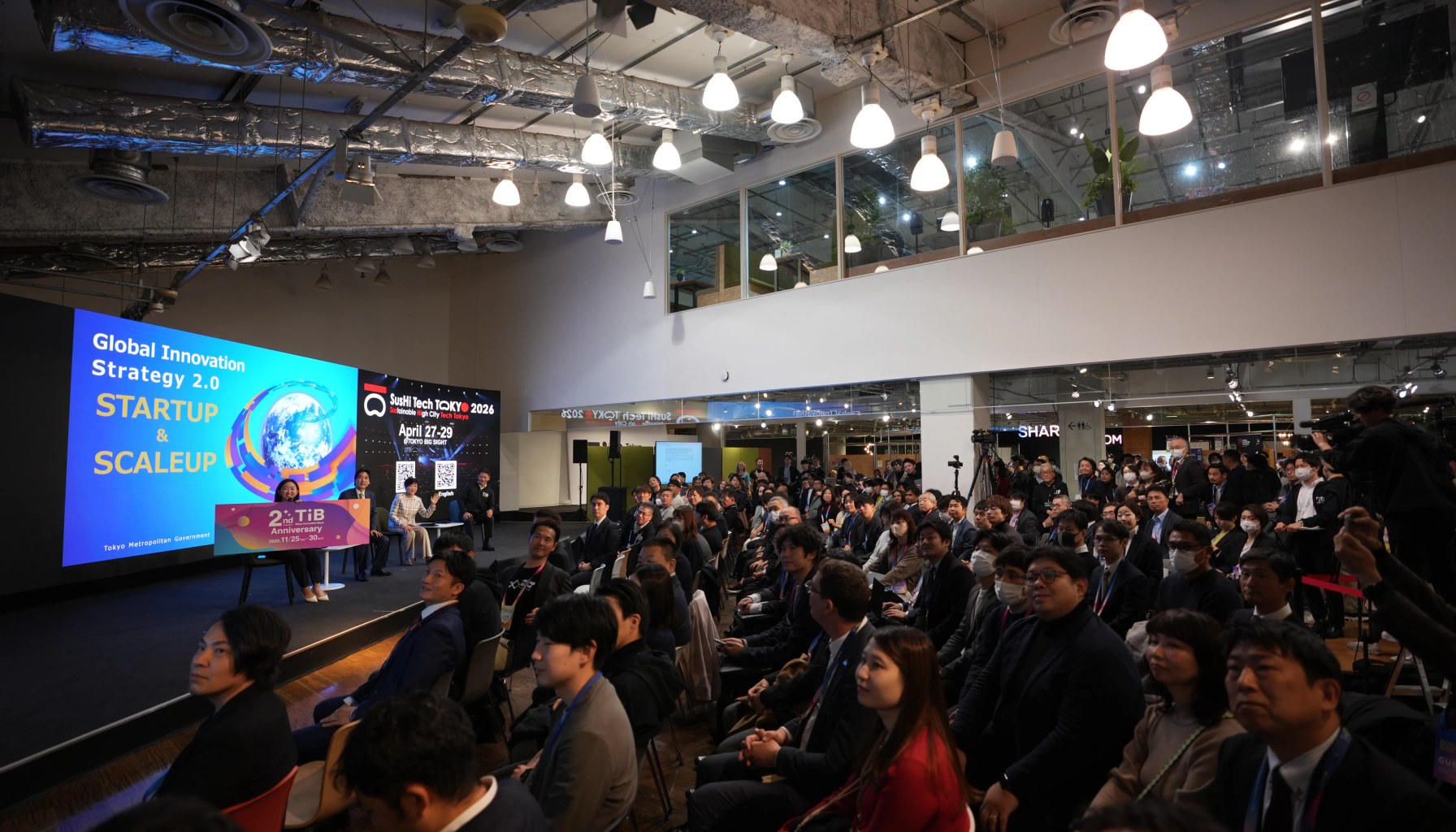
Image / techcrunch.com
Tokyo's SusHi Tech 2026 lights up with humanoid demos, but the big question is: can they run in real environments?
TechCrunch is transplanting its Startup Battlefield to Tokyo for SusHi Tech 2026, promising live demonstrations across AI, robotics, resilience, and entertainment. The event is framed as a crucible for practical humanoids, with on-stage showcases intended to translate lab wizardry into real-world capability. In practice, that means the crowd will see bots walking, grasping, and interacting in controlled, audience-friendly settings—yet never forget that “demo” is not “field-ready.”
Engineering documentation shows a cautious posture from exhibitors: the emphasis is on integrated systems—sensors, perception, and manipulation—rather than standalone gadgetry. Demonstration footage typically highlights locomotion, grip reliability, and responsive interaction, but the hard math of real autonomy—blending perception, planning, and control under unpredictable human activity—remains the asymptote. In other words, the sparks look impressive, but the corridor between a polished demo and a robust, reliable product is still long and windy.
DOF/payload data, which every serious humanoid brief should sprint toward, are notably absent from public previews. The participating teams have not disclosed explicit degrees of freedom counts or payload capacities for the showcased humanoids. The absence matters: in humanoid robotics, dozens of joints (and the accompanying control bandwidth) are what separate a convincing sway from a tool that can lift, hand off, or operate safely in a home or workplace. Without official figures, analysts must size expectations against past generations and the pace of system integration rather than per-joint specs. It’s a reminder that a great demo reel does not guarantee field reliability.
From a readiness standpoint, the event sits squarely in the lab-to-controlled-environment camp. Lab testing confirms progress in multi-modal perception and end-effector dexterity, but the gap to robust, unsupervised operation in dynamic environments—crowds, clutter, and power constraints—remains the choke point. The tech-to-market clock in humanoids runs on a different cadence than, say, mobile robotics or autonomous vehicles: progress is incremental, often modular, and highly sensitive to safety constraints and human-robot interaction design. The industry’s pulse point is whether these demonstrations translate into predictable, repeatable performance over hours, not minutes, under real-world load.
What this signals for investors and engineers is not a single “ship” date, but a shift toward cross-domain stack maturity: perception, planning, and manipulation coordinated with safe, user-centric interfaces. If SusHi Tech 2026 delivers credible progress on perception robustness and grip reliability in multiple humanoid platforms, the narrative shifts from “cool demos” to “gradual deployment milestones.” If not, the conferences will feel like more demo reels than roadmaps.
What we’re watching next in humanoids
Sources
Newsletter
The Robotics Briefing
Weekly intelligence on automation, regulation, and investment trends - crafted for operators, researchers, and policy leaders.
No spam. Unsubscribe anytime. Read our privacy policy for details.