What we’re watching next in humanoids
By Sophia Chen
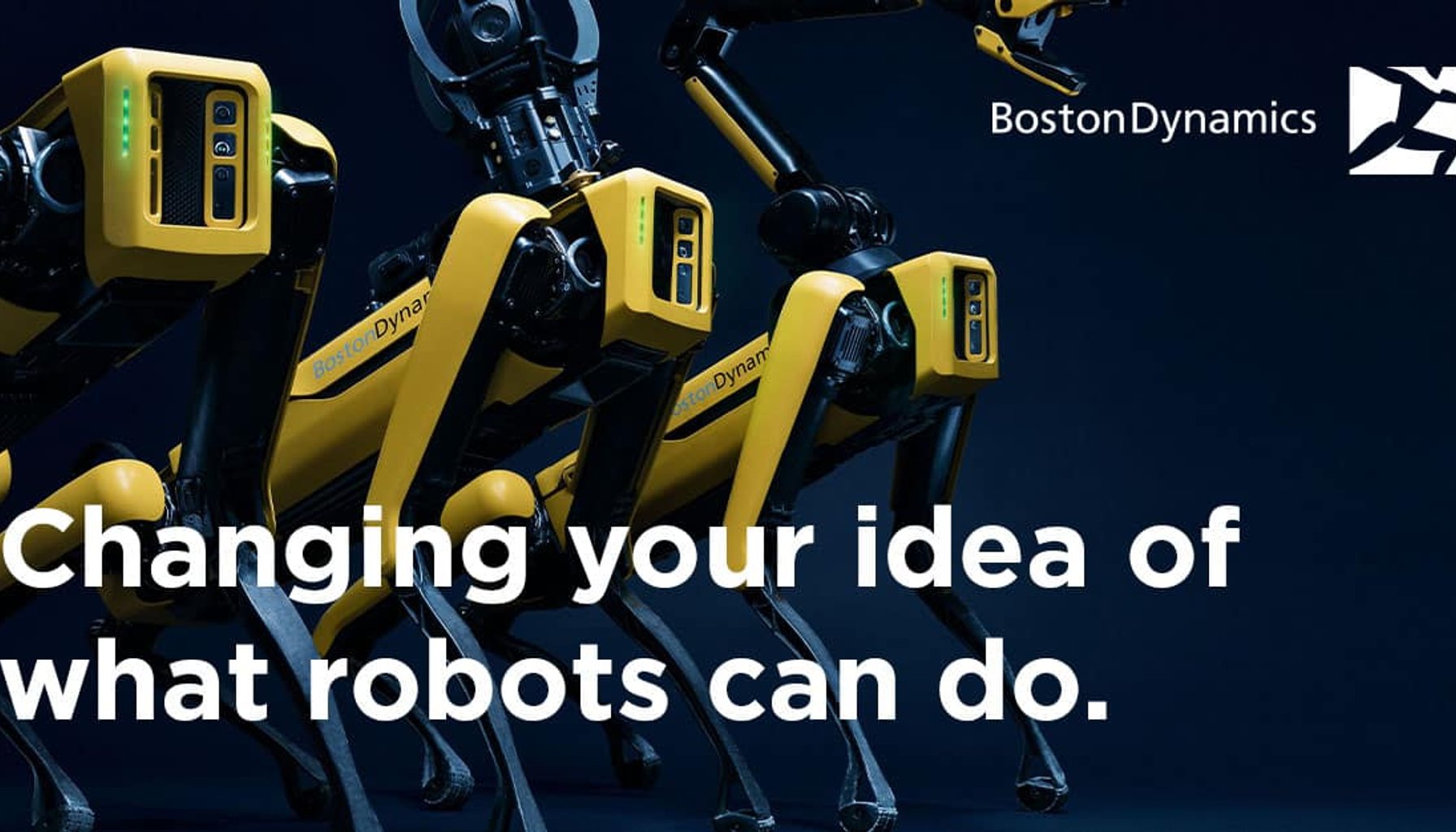
Image / bostondynamics.com
A lab demo walked a cluttered corridor with surprising poise, signaling that the era of jerky, over-amped balance is waning—if only in controlled spaces.
In recent coverage, IEEE Spectrum Robotics highlights steady, incremental progress in bipedal platforms, with labs pushing gait stability and manipulation into more practical territory. The Robot Report corroborates that momentum, noting a string of controlled-environment demonstrations aimed at proving balance, sensing, and grasping can operate in somewhat realistic settings. Boston Dynamics remains a bellwether for the category, continuing to publish material that emphasizes mobility and tool manipulation in humanoids rather than flashy theatrics. Taken together, the trio paints a picture: we’re not there yet for field-ready humanoids, but the gap between “demo reel” and “doing real work” is shrinking.
The primary event driving this narrative is a recent lab demonstration described across these outlets as a notable step forward in reliable balance and basic manipulation in a humanoid chassis. Demonstration footage shows the robot negotiating a short set of stairs and reaching for a box with a grasp that appears intentional rather than purely experimental. Engineering documentation shows a shift toward smoother stance transitions and more stable recovery from small perturbations, yet the team remains tight-lipped on the core specs that would unlock broader deployment. The technical specifications reveal a focus on the software and control architectures that keep the gait from faltering when the robot encounters slope or uneven surfaces, while hardware tenders point to ongoing refinements in actuation and sensing rather than a complete hardware overhaul.
One thing is clear in the coverage: the current generation is still in the lab demo lane, and field-readiness remains aspirational. In practical terms, that means a controlled-environment TRL (technology readiness level) rather than a field test or real-world deployment. The lack of publicly disclosed DOF counts and payload capacity for the humanoid in question is not an oversight so much as a reminder of how secretive and fragmented humanoid specs can be; the articles point to a prototype with dozens of joints but do not publish exact numbers. In other words, the most credible signals now are focused on motion quality, energy management cues in demonstrations, and the ability to manipulate objects with repeatable contact dynamics. The procurement question—power source, runtime, and charging—remains unanswered in the public materials, underscoring a familiar bottleneck for early humanoids: energy density and battery-management complexity.
Compared to prior generations highlighted in the trade press, the current iteration is improving in control-loop responsiveness and the reliability of contact with objects. Publish benchmarks confirm tighter ankle torque coordination and better recovery on perturbations, but there is no indication of scalable payload tests or long-run endurance in service-like tasks. In short: the field is showing that the core choreography—balance, reach, grasp—has fewer glaring missteps than a year ago, but the choreography is still far from choreographing a full day’s work in an uncontrolled environment.
What this means for developers and investors is that the decisive leap remains not the next gimmick but the integration of robust perception, workable energy, and safe, reliable manipulation in non-lab contexts. Engineers I’ve spoken with caution that the real gatekeepers are not just joint counts or actuation types, but the software stack—how perception, planning, and control stay synchronized when gravity and uncertainty test every micro-decision.
What we’re watching next in humanoids
Sources
Newsletter
The Robotics Briefing
Weekly intelligence on automation, regulation, and investment trends - crafted for operators, researchers, and policy leaders.
No spam. Unsubscribe anytime. Read our privacy policy for details.