APL Opens Amsterdam Fulfilment Hub
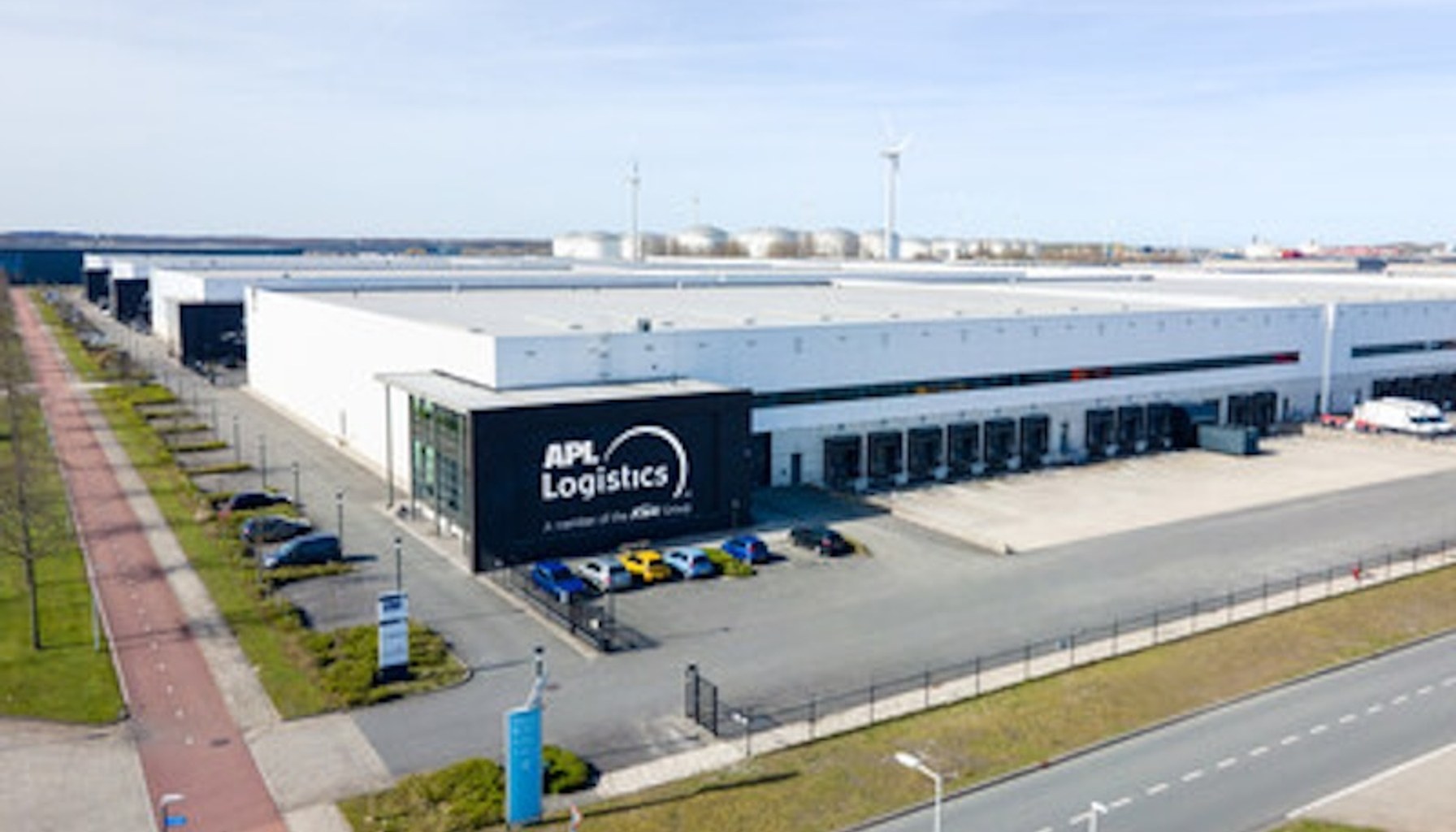
APL Logistics opens a new Amsterdam fulfilment hub to speed deliveries.
APL Logistics, a global logistics provider and member of the Kintetsu World Express Group, has unveiled a dedicated distribution and fulfilment warehouse in the Port of Amsterdam. The move underscores the carrier’s emphasis on expanding its European footprint at a time when customer demand for faster, more reliable cross-border deliveries is reshaping regional supply chains. The company stresses that the facility reflects ongoing growth in its European business and a continued commitment to investing in infrastructure where demand dictates it.
For operators and CFOs watching Europe’s logistics scene, the Amsterdam hub signals more than a new address. The Port of Amsterdam sits at a strategic crossroad in Northern Europe’s distribution network, offering proximity to multiple consumer markets, multi-modal connections, and the potential for faster handoffs between inland transport and last-mile networks. In a market where every additional kilometre shaved off a delivery window translates to customer satisfaction and competitive advantage, the new centre positions APL to consolidate inventory closer to major Dutch, Belgian, and German consumer corridors.
AP L Logistics’ spokesperson emphasized the facility as part of a broader strategy to densify its European network in response to sustained demand. “The facility reflects the continued growth of our European business and our commitment to investing in infrastructure where customer demand requires it,” the company stated, pointing to a trend among global logistics players to localize fulfilment to reduce transit times and improve service levels. The Amsterdam location complements existing networks and aims to provide more regional stockholding, faster order processing, and smoother cross-border flows for European customers.
From a practitioner’s lens, the hub’s value rides on more than square footage or a new dock door. The reality of modern distribution is the tight integration between warehouses, customer systems, and last-mile carriers. Expect the Amsterdam facility to hinge on robust IT and data integration: real-time visibility across orders, inventory, and customs-clearance workflows; seamless messaging with clients’ warehouse management systems; and reliable handoffs to Dutch and regional courier networks. In practice, that means line managers and IT teams must align on data standards, exception handling, and onboarding timelines, or risk bottlenecks that erase the promised time gains.
A distribution centre in a high-traffic European port also introduces a set of pragmatic tradeoffs. Floor space and automation can deliver throughput, but they require careful planning around shift patterns, ramp-up capacity, and energy usage. Early-stage ramp periods can be costly if demand doesn’t materialize as quickly as forecasted, or if integration with customer systems lags behind the physical build. Operational metrics will matter: dwell times for inbound pallets, accuracy of cross-docked orders, and on-time delivery rates to regional hubs. The industry will be watching whether Amsterdam translates into measurable reductions in lead times and improved reliability across Northern Europe.
Hidden costs vendors rarely spell out accompany any major hub expansion. Beyond construction and land, ongoing costs include security, facility maintenance, energy, and continuous IT upgrades to stay aligned with customers’ evolving e-commerce platforms. Training the local workforce to operate in a multi-client fulfilment environment, plus managing seasonal demand spikes, are ongoing commitments that can stretch early-year budgets if not planned for. As with any new centre, the payoff will hinge on concrete performance signals: fast ramp to steady volumes, tight integration with client systems, and a demonstrable improvement in delivery speed and accuracy.
The new Amsterdam centre, announced amid Europe’s ongoing push toward regionalized logistics, stands as a litmus test for how quickly a global operator can translate footprint into tangible service enhancements. If the hub delivers the expected gains in speed and reliability, it will reinforce the case for further proximity-based fulfilment across Europe’s core markets—and give APL a stronger footing in a region where e-commerce demand remains robust and expectations keep rising.
- APL Logistics opens Amsterdam distribution and fulfilment centreroboticsandautomationnews.com / Source role not classified / Published APR 09, 2026 / Accessed APR 09, 2026