Dubai Becomes Global Robotics Hub
By Maxine Shaw
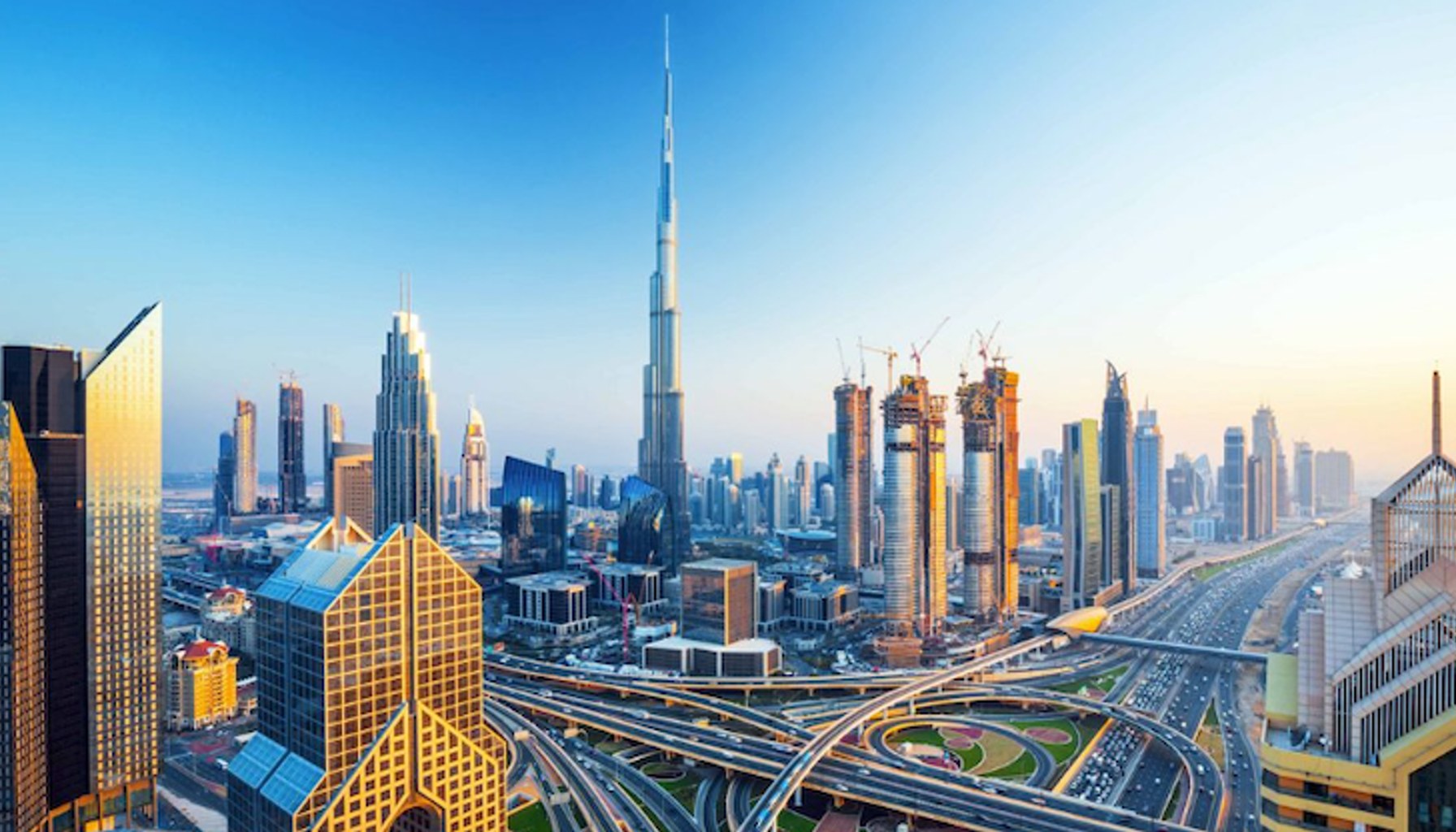
Image / roboticsandautomationnews.com
Dubai is building a robotics empire from scratch.
A report dated April 8, 2026, paints a picture of a city doubling down on policy, funding, and infrastructure to pivot from a technology importer to a global developer in automation and robotics. The Desert Digitalises piece frames Dubai’s push as more than show—it’s a coordinated, multi-year bet on a locally anchored ecosystem with at least three visible levers: policy incentives, dedicated testbeds, and a talent pipeline that links universities, vocational programs, and industry partners.
Industry observers say the core of Dubai’s strategy is to turn demonstrations into deployable realities. Public-private partnerships are fueling robotics clusters, with pilot programs designed to move from prototypes to scale in logistics, construction, and service sectors that dominate the emirate’s economy. Integration teams report that the hardest part isn’t the robot—it’s the translation from lab bench to production line: safety certs, standards alignment, data sharing, and system interoperability across vendors. The ROI, in turn, hinges on speed: how quickly a cobot-equipped cell can reduce cycle times, how reliably a system can run on a 24/7 schedule, and how fast a facility can move from a pilot to a repeatable deployment.
Floor supervisors confirm that Dubai’s new demo-to-deployment mindset is making a tangible difference on the shop floor. Where a vendor’s demo once stopped at a glossy presentation, real plants are being asked to prove results—data on uptime, throughput gains, and integration costs. ROI documentation is emerging, not as a vendor sales pitch but as a required part of project approvals, with operators insisting on transparent metrics before committing capital. Operational metrics show that the most meaningful wins come from end-to-end improvements: improved throughput in parcel handling, reduced travel time for robotic arms, and better utilization of human labor through task reallocation rather than complete replacement.
From a practitioner’s lens, several constraints and tradeoffs define the Dubai model. First, workforce development is non-negotiable. Dubai’s push relies on a steady stream of talent—engineers, technicians, and data scientists—who understand both the hardware and the software that runs it. That means long lead times for upskilling and the need for hands-on bootcamps that align with actual plant needs, not just theoretical courses. Second, the regulatory and IP landscape must be coherent across a growing cluster of free zones and testing facilities. Without clear standards and protection for innovations, early pilots risk stalling midway through the scale-up phase. Third, there’s a capital discipline to observe. The Desert Digitalises piece hints at a long tail of investment: not just the upfront cost of robots, but the expense of integration, cyber-security, and the digital twin data infrastructures that keep a fleet of cobots honest. Finally, supply chain readiness matters. Local suppliers need to mature enough to support maintenance, parts, and software updates; otherwise, production can be throttled by frequent vendor outages or long lead times for components.
What to watch next, pragmatically: whether Dubai can sustain a steady flow of pilots moving from testbeds to full-scale production across multiple sectors; how quickly IP-friendly policies translate into export-ready robotics IP and services; and whether the talent ecosystem can graduate enough engineers to keep pace with demand. Expect more formalized incentives for domestic R&D, more cross-border collaborations to import global best practices while protecting homegrown ideas, and the emergence of data-sharing norms that unlock real-time optimization without compromising security.
In the end, the Desert Digitalises narrative is about more than installs—it’s about creating a sail-net of capabilities that can weather cycles of demand. If the data holds, Dubai’s ambition could redefine the middle of the automation value chain: from imported components staged as demos to a production-ready, export-facing robotics ecosystem.
Sources
Newsletter
The Robotics Briefing
Weekly intelligence on automation, regulation, and investment trends - crafted for operators, researchers, and policy leaders.
No spam. Unsubscribe anytime. Read our privacy policy for details.