ENIAC’s Architects: 80 Years of Code and Courage
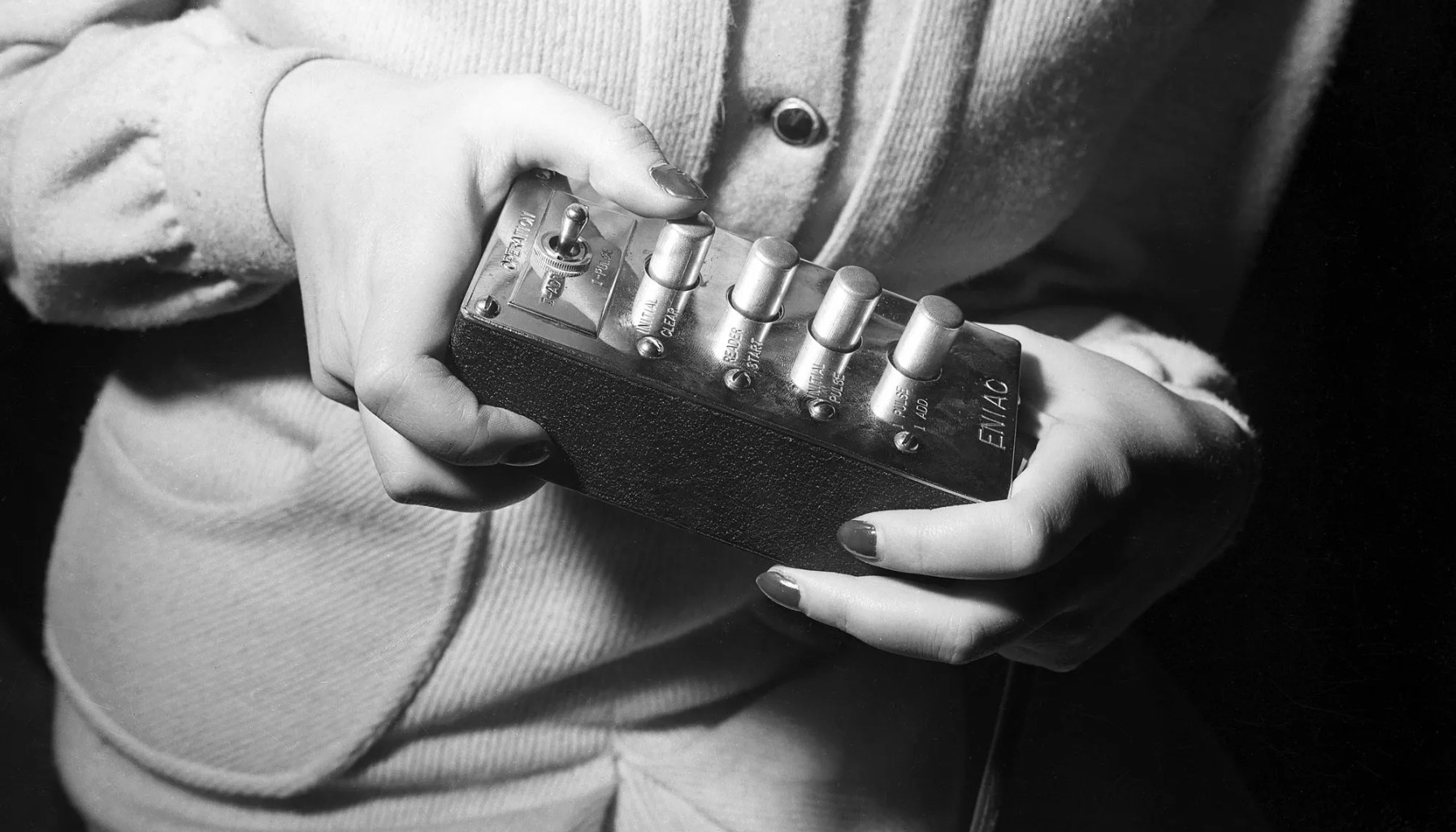
Two of computing’s founders married after ENIAC’s completion, tying romance to the birth of digital thought.
This year marks the 80th anniversary of ENIAC, the first general‑purpose digital computer, built during World War II to speed up ballistics calculations and later proven to be a harbinger of the programmable era. Celebrations—online and in person at the American Helicopter Museum in West Chester, Pennsylvania—paired technical retrospectives with intimate history. Naomi Most, the granddaughter of ENIAC’s principal participants, delivered a talk that wove personal memory into the machine’s technical lineage, underscoring a theme that is easy to overlook: computing is as much about people as about circuits.
The story centers on John W. Mauchly, the co‑inventor, and Kathleen “Kay” McNulty, one of the six original programmers. Engineering documentation shows ENIAC was conceived to accelerate calculations for wartime gunnery, but the project’s real impact emerged in the way minds—from mathematicians to machinists—collaborated to make a thinking machine behave. Mauchly and Kay McNulty’s collaboration blossomed into a lifelong partnership, and they married a few years after ENIAC’s completion. The couple later raised seven children, a detail that helps humanize a story often told in punchy numbers and cabinets of tubing. The event’s organizers framed that arc as a reminder that the earliest digital machines were built by people who lived with the consequences of their designs long after the last relay was wired.
The talk also lamped glow on a broader, enduring point for technologists today: the people who write the first lines of code are not just operators of hardware; they are storytellers who translate abstract math into actionable steps a machine can execute. Most’s reflections—set against a farmhouse library scene and, intriguingly, an IBM PC appearing in that library as a bridge to later eras—highlight how computing migrated from wartime solving to peacetime ubiquity. The narrative arc—from ENIAC’s room‑sized complexity to personal computers in homes—parallels the trajectory of robotics, where hardware and software must co‑develop in tandem rather than in isolation.
For humanoid robotics teams, the anniversary serves as a cautionary and hopeful reminder. First, strong cross‑disciplinary collaboration matters: the ENIAC founders did not operate in silos, and their success depended on weaving together theory, hardware, and practical problem solving in real time. Second, the human element remains central: the race to deploy robots that can reason and act in the real world has always been as much about people and process as about silicon. Third, the shift from specialized wartime machines to consumer and research platforms shows how momentum comes from turning hard problems into repeatable workflows—something modern robotics teams chase when moving from lab demos to field deployments.
The eighty‑year lens also reminds engineers to celebrate gradual progress over hype. The ENIAC story—centered on its architects, its programmers, and the family histories intertwined with the project—renders a straightforward takeaway: transformative technology is built in small, steady steps by people who insist on turning difficult problems into something others can use, understand, and build upon for decades.
- ENIAC’s Architects Wove Stories Through Computingspectrum.ieee.org / Source role not classified / Published APR 03, 2026 / Accessed APR 09, 2026