Apple Watch lineup sparks price war with deals
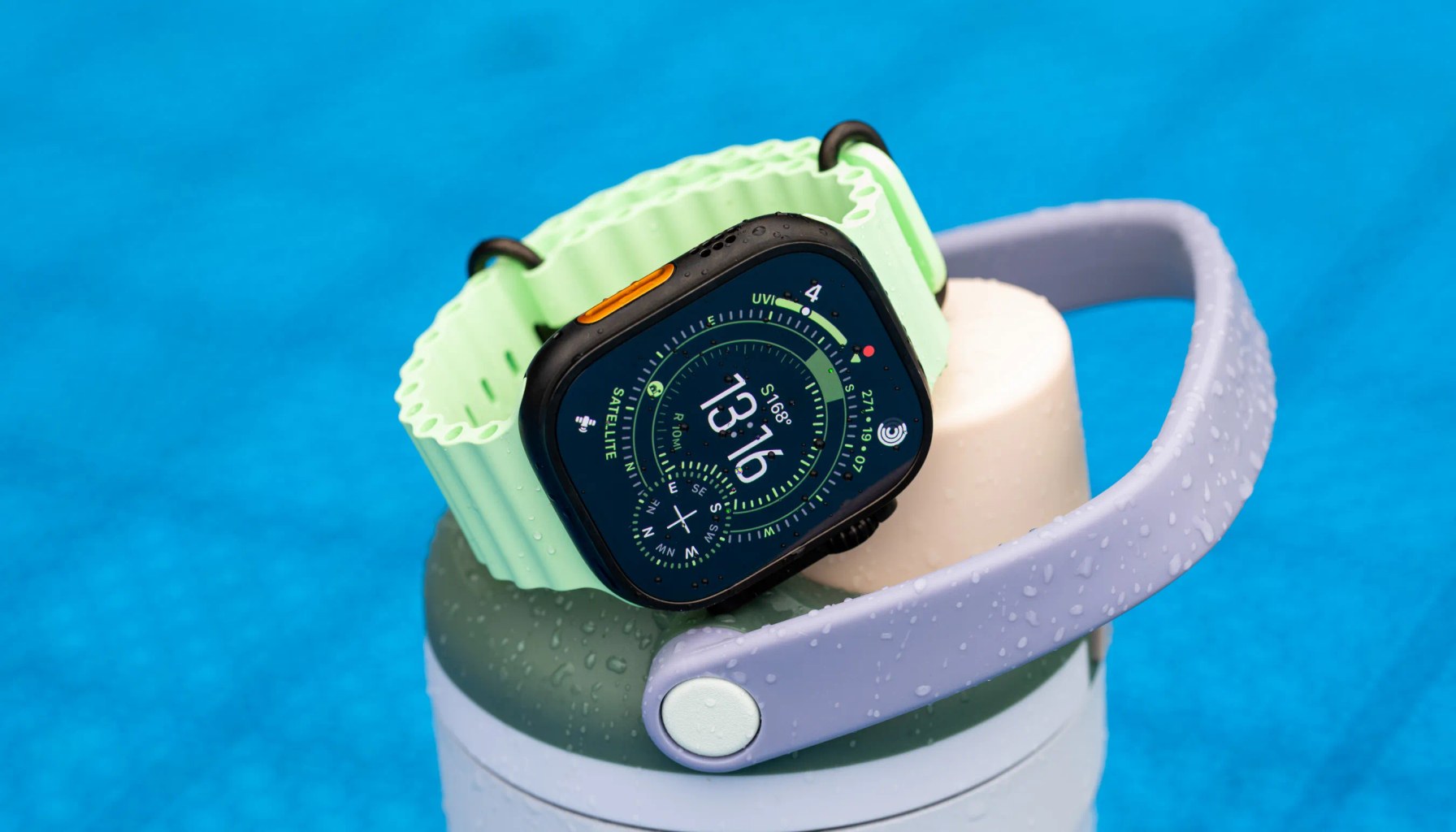
Apple just reset smartwatch math: new watches, old prices, bigger discounts. In September, Apple unveiled its latest wearables—the Series 11, the SE 3, and the Ultra 3—and the market has promptly flooded with aggressive deals that could redefine how you buy your next wrist computer.
The Verge notes that the new trio each brings its own mix of pros and cons, but the headline takeaway for shoppers is clear: the newest hardware sits alongside meaningful discounts on the older generation, creating a rare moment where premium features meet headline-friendly price cuts. The Series 11 is pitched as the iterative upgrade, offering a more power-efficient 5G modem, a tougher, more scratch-resistant display, and roughly six extra hours of battery life versus the previous generation. In practice, that translates to better reliability for daily wear and longer outdoor workouts, especially when you’re away from a charger.
But the lineup isn’t a one-size-fits-all upgrade. The SE 3 remains the wallet-friendly option, and the Ultra 3 targets rugged, activity-heavy use with a different design and feature tilt. The Verge highlights that while the latest watches are compelling, there are real tradeoffs: price, size, sensor suites, and the kind of everyday use you actually need will drive the decision more than “the latest model” alone.
For buyers watching price, the current deals are compelling. The Apple Watch Series 11 (42mm GPS) is listed at $399 but is selling for around $329 at big retailers, and a 46mm GPS variant dips to roughly $329.99 in several listings. Those discounts matter because they compress the gap between premium and midrange, making a model that once lived in the “consider only if you must have the newest sensor” category suddenly feel like a reasonable default for most users. And with Apple’s software cadence, the newer hardware is positioned to receive updates longer, a practical consideration for anyone who hates repeating the upgrade cycle in 18–24 months.
What about software support? The new watchOS 26 rollout arrives on Series 6 and newer devices, leaving Series 5 and older in a software dustbin for critical enhancements. That detail compounds the purchase calculus: if you value several years of receiving features and security improvements, leaning toward the Series 11 or SE 3 makes more sense than buying into a model that will stop receiving meaningful updates sooner.
From a consumer-protection angle, there’s no mandatory subscription to use the watch’s core features. Fitness features and premium services such as Fitness+ remain optional add-ons, not required to enjoy daily timekeeping, notifications, or activity tracking. This is a meaningful distinction when budgeting for a purchase that often comes with “optional” extras that creep up in the cart later.
Industry observers note a few practical implications for the next 12–18 months. First, the price erosion on older models accelerates the risk of buyer’s remorse if feature needs evolve (better health sensors, sleep metrics, or battery longevity). Second, the price compression around Series 11 and SE 3 will test the value proposition of Ultra 3 for many buyers, as rugged design often comes with a price premium and a different use case. Finally, watchOS 26’s requirement curve will push buyers toward Series 6+ if they care about long-term software support, effectively narrowing the “free upgrade” window for some older devices.
Verdict: Buy the Series 11 now if you want the strongest blend of endurance and future-proofing and can tolerate a mid-range price. If you’re budget-first and still want credible health and fitness features, the SE 3 offers a compelling, discounted path without sacrificing too much. If you crave ruggedness and unique outdoor features, consider the Ultra 3—but compare your real-use case against price, because the extra hardware may be overkill for most daily routines.
- Here are the best Apple Watch deals available right nowtheverge.com / Source role not classified / Published APR 09, 2026 / Accessed APR 10, 2026