ASUS ZenBook A16: A Portable Redemption
ASUS just leveled up a 16-inch ultraportable and it sticks the landing.
In Engadget’s recap, the ZenBook A16 is framed as a comeback for the line after last year’s A14 stumble. The A16 pairs a gorgeous OLED display with a surprisingly slim, featherweight chassis and a set of ports that feel practical for today’s hybrid routines. The standout is Qualcomm’s Snapdragon X2 Elite powering the machine, delivering a welcome power boost in a form factor that’s one of the lightest and sleekest 16-inch Windows laptops the reviewer has seen. And yes, the team notes, it’s remarkably thin for a 16-inch panel with a full port lineup.
The combination matters in the real world. OLED means you’re getting punchy colors and deep blacks for productivity and media without sacrificing battery life as aggressively as some high-brightness LCDs do. The A16’s design philosophy leans into portability without skimping on everyday I/O—an increasingly scarce but appreciated trait in larger Windows laptops. Engadget’s verdict centers on a simple premise: the A16 nails the fundamental balance of what people want from a modern ultraportable—great screen, light footprint, and enough connectivity to reduce dongle drama.
But the ZenBook A16 isn’t presented as a flawless unicorn. The review nods to compatibility issues that can come with Windows on ARM, even as it highlights the tangible benefits of the device’s modern silicon and OLED panel. For many buyers, that trade-off is a live question: can your essential apps run natively, or will you rely on emulation and workarounds? In practice, the answer will hinge on the software you rely on day to day. If your workflow is dominated by standard productivity tools, light photo editing, and web-based tasks, the A16’s strengths can shine. If you run a lot of legacy x86 software with tight GPU-acceleration needs, you’ll want to test early.
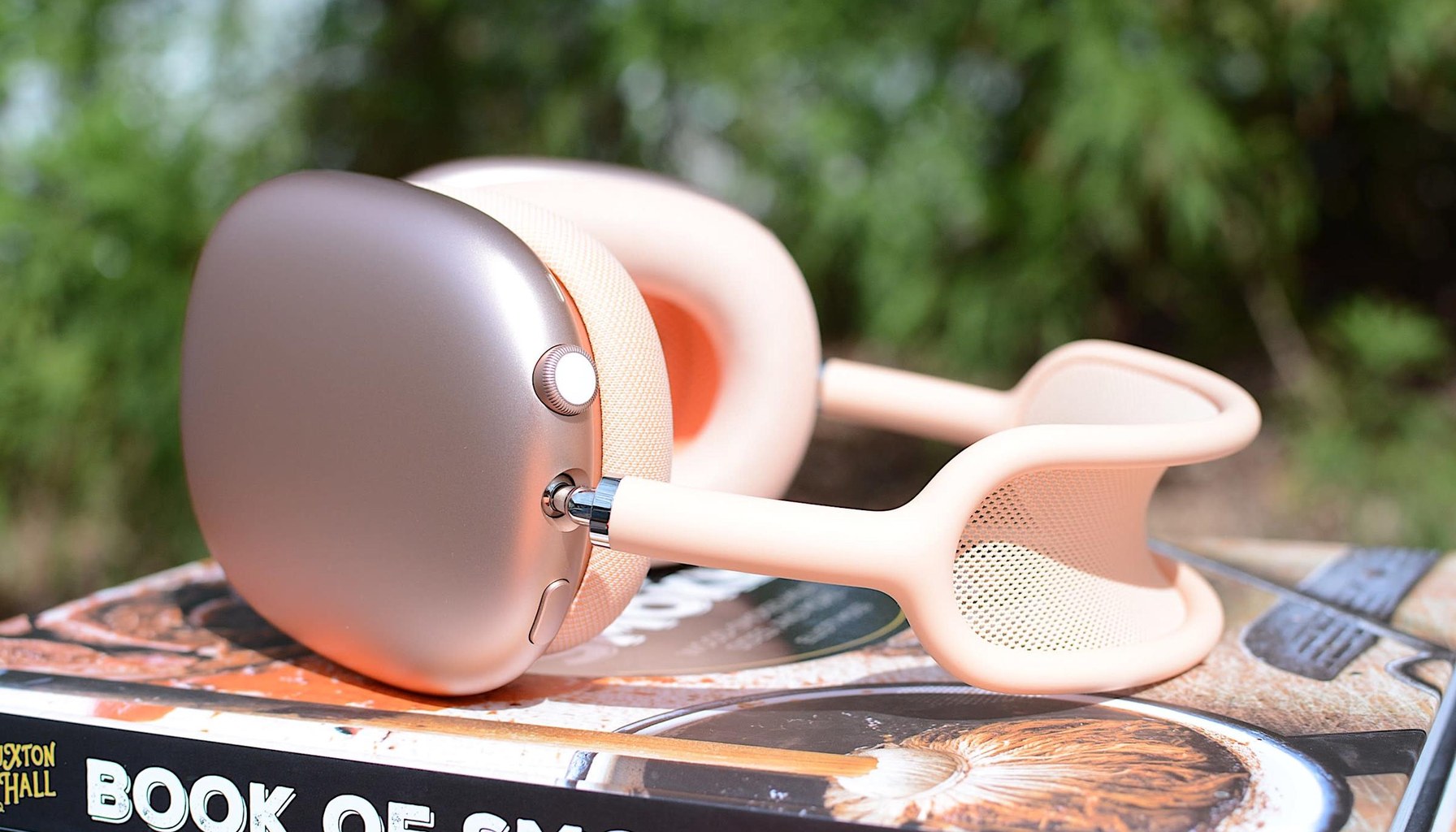
The broader reviewer slate in the roundup—AirPods Max 2 with the H2 chip and the Sonos Play portable speaker—underscores a wider industry push: premium hardware that blends software polish with ecosystem cohesion is finally catching up to the promises of “smart” devices. The AirPods Max 2 brings parity with the current lineup, while Sonos’ new portable aims to merge Bluetooth and Wi‑Fi in one device, signaling Sonos’ renewed emphasis on versatile, on-the-go listening. It’s a reminder that the ZenBook A16 sits in a market where hardware feel matters as much as raw benchmarks: you’re buying into a broader experience, not a single feature.
Two concrete practitioner notes matter for shoppers weighing the A16 against the current landscape. First, OLED is compelling, but watch for burn-in and peak brightness in long sessions—this matters if you spend hours staring at dashboards or design canvases. Second, Windows on ARM with Snapdragon X2 Elite remains promising for efficiency and connectivity, but it’s prudent to verify your most-used apps and any enterprise software in your daily rotation before committing. And third, pricing remains unlisted in the recap; without a clear price, the total-cost picture—three or four-year ownership, support, and potential accessory needs—can swing the decision.
Verdict: Buy if you prize portability, a vivid OLED screen, and a future-facing Windows on ARM experience with ample ports. Skip if you depend on broad x86 software compatibility or need desktop-grade performance for specialized tasks right out of the box.
- Engadget review recap: ASUS ZenBook A16, AirPods Max 2, Sonos Play and LG Sound Suiteengadget.com / Source role not classified / Published APR 11, 2026 / Accessed APR 12, 2026