Ceiling-mounted Octopus Boosts Warehouse Throughput
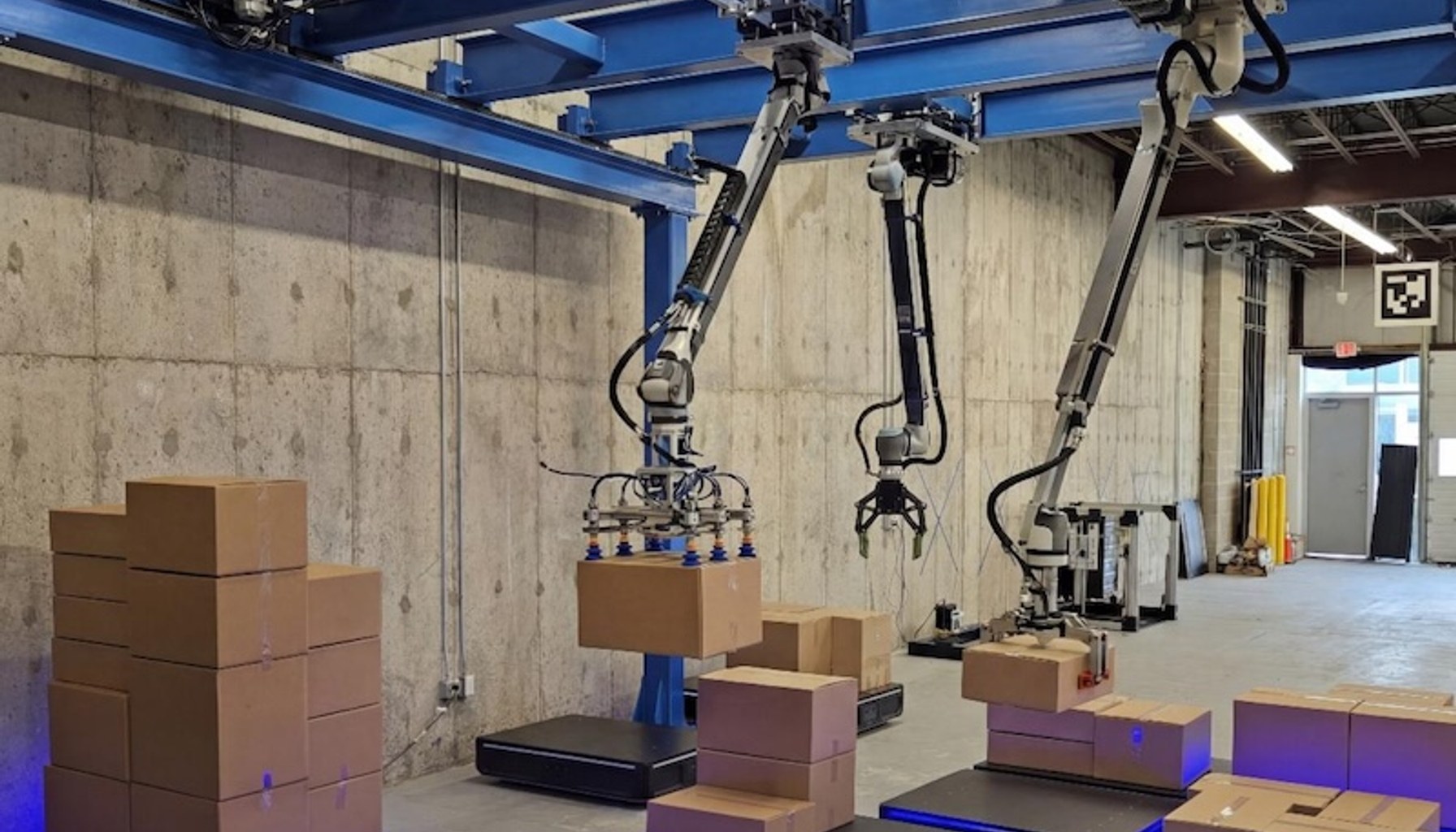
Logic’s ceiling-mounted Octopus is turning loading zones into high-velocity automation cells. The overhead, multi-arm robot is designed to supplant traditional floor-bound equipment, suspending above workflows to handle high-speed case picking and placement in a goods-to-robot setup that pairs with Logic Pallets.
In operation, Octopus hangs above existing packing and receiving lines, autonomously selecting and moving cases to and from pallets and workstations. Logic positions the system as a way to convert “loading zones” into adaptable automation cells rather than static chokepoints. The approach preserves floor space for human operators and other equipment while extending throughput at the point of first touch. It’s part of Logic’s broader push toward data-driven, autonomous logistics that can scale with fluctuating demand.
What makes Octopus notably different, industry observers say, is its ceiling-based footprint. By elevating the manipulation of goods, it avoids the bottlenecks that plague crowded warehouses with traditional conveyors and floor-bound robotics. For facilities already modularizing their operations around Pallets, the combination promises an intensified goods-to-robot workflow delivered without a wholesale reconfiguration of the floor plan. The system aims to turn every loading zone into a smart cell, with the robot handling repetitive, high-volume tasks while human workers concentrate on exceptions and quality checks.
From a deployment perspective, several practitioners stress what you don’t see in the press materials: the integration burden. The ceiling installation requires more than software licensing. Structural and electrical reviews come first, followed by network provisioning and safety interlocks that coordinate with the rest of the warehouse control system. Operators will need training hours to become proficient not only in teaching the octopus to read pallets and totes but also in monitoring its behavior within broader batch and wave-picking schemes. These realities matter because, even with a compelling concept, the ROI hinges on how smoothly the overhead cell integrates with existing WMS/ERP workflows and how quickly teams can adapt to the new rhythm of automated handoffs.
Two practitioner-oriented observations stand out. First, space savings on the floor are real, but ceiling constraints are nontrivial: the overhead system must be supported by a robust structural plan, with dedicated power and communications drops and safeguards to prevent interference with lighting, sprinklers, or other ceiling-mounted services. Second, risk and downtime are not trivial; installation often requires staged commissioning and can impact peak periods unless carefully scheduled with operations. The vendor’s marketing emphasizes throughput gains, yet there are no disclosed cycle-time improvements or payback figures in the initial rollout, leaving ROI to be proven in real deployments.
The Octopus embodies a growing industry expectation: robots able to operate above the fray, literally and figuratively, while preserving floor-space for people and critical manual tasks. As warehouses confront unprecedented variation in demand and order profiles, ceiling-mounted automation could shift the economics of throughput, provided users pursue rigorous integration planning, robust safety and training programs, and transparent ROI documentation.
- Logic introduces ‘Octopus’ overhead multi-arm robot to boost warehouse throughputroboticsandautomationnews.com / Source role not classified / Published APR 08, 2026 / Accessed APR 08, 2026