Vishay Precision Group plans a RoboBusiness showcase of embedded force and torque sensing; the announcement describes custom engineering, not a confirmed robot deployment.
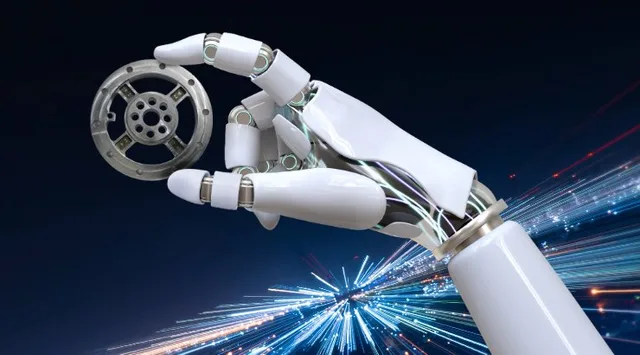
Humanoid robots need more than cameras and artificial intelligence. They also need physical feedback: how hard a joint is working, how pressure spreads across a foot, and how firmly a hand holds an object.
Vishay Precision Group says it will present custom sensing solutions for those tasks at RoboBusiness. The Robot Report identifies the announcement as sponsored content, and it describes VPG’s capabilities rather than an independently validated robot demonstration.
How the sensing works
VPG says its sensors are built into the robot’s structure. Strain gauges—small electrical elements that detect bending—measure tiny deformations in mechanical parts under load. A Wheatstone bridge circuit then converts those changes into analog or digital signals for the control system, according to The Robot Report.
That feedback could help a robot manage joint torque, balance, foot pressure, grip strength, and contact with people. In practical terms, a controller could use force readings to adjust a joint, steady a foot, or change its grip when an object pushes back.
VPG describes four sensor types: miniature tactile sensors for fingertips and knuckles, multi-axis sensors for areas such as wrists and shoulders, torque sensors for joints including knees and elbows, and feedback sensors that send changing load data to the robot’s controls.
The company also says it supports projects from requirements and computer-based stress analysis through prototype testing, temperature adjustments, tooling, and final quality checks. That suggests a route from custom design toward manufacturing, but the announcement does not identify a customer robot, independent testing, measured accuracy results, or whether the offering includes catalog products alongside custom projects.
The useful next step at RoboBusiness is clear: determine whether VPG will show these sensors operating in a humanoid or mainly explain how engineers can integrate them.