Delivery Robots Take Center Stage in Automation
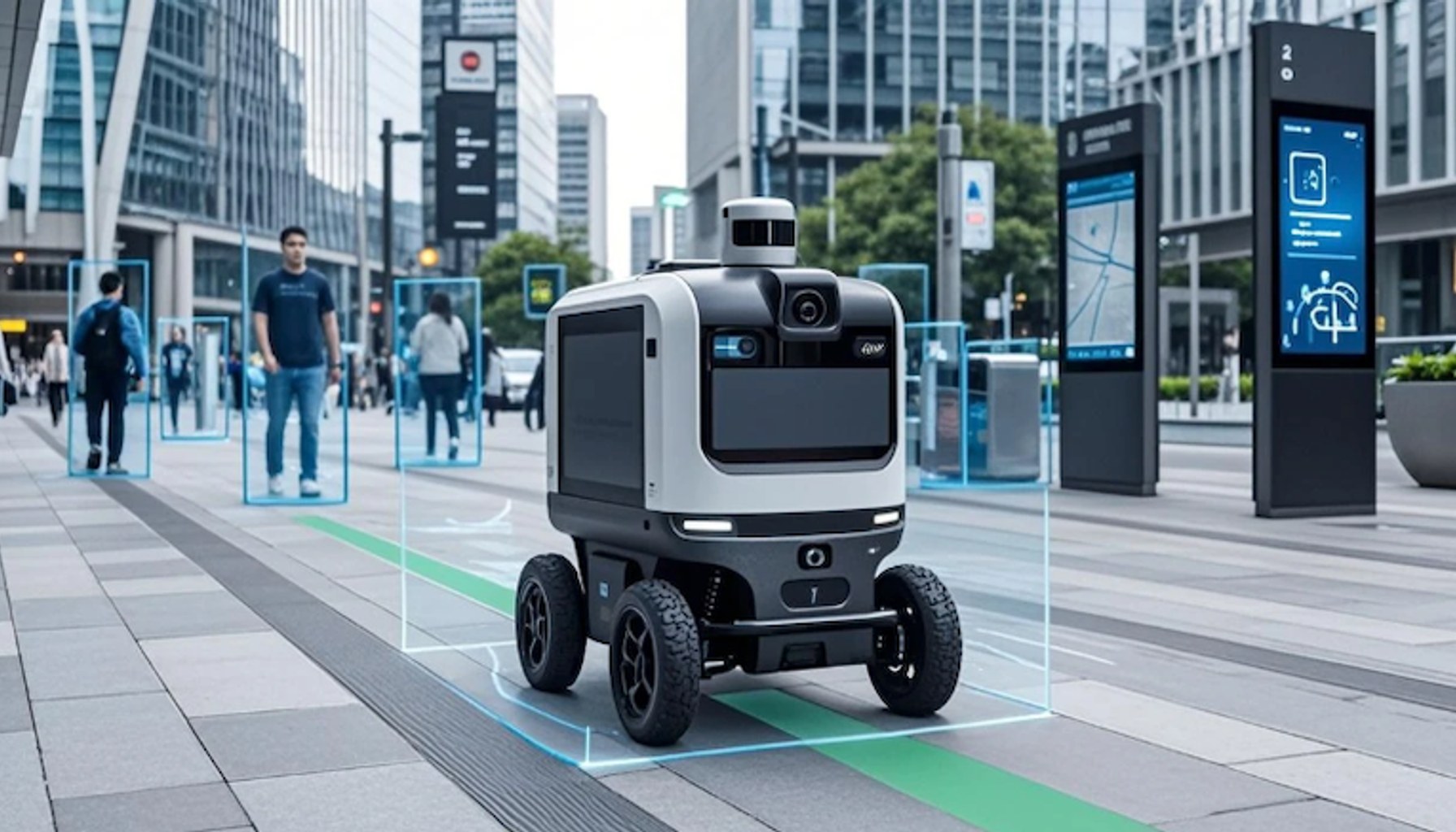
Delivery robots aren’t a novelty; they’re the new backbone of automation. The shift from a factory-centric mindset to intelligent networks, powered by AI, robotics, and seamless digital systems, has positioned robots that deliver as the next logical step for real world operations. As noted by Robotics and Automation News, the core value of these machines lies in extending automation from “handling digital tasks” to “performing real world delivery operations,” enabling sectors such as logistics, healthcare, and retail to move beyond demonstrations toward deployment.
This is not about flashy demos but about orchestrated systems where a cobot or a small vehicle keeps a payload moving from loading dock to patient room, shelf, or last-mile locker with a cadence that static automation simply cannot match. Production data shows that the efficiency story is not confined to speed alone. When delivery robots enter a facility, they unlock a network effect: tasks that once required several workers can be distributed across a fleet, freeing human teams for non-repetitive, judgment-based work and reducing bottlenecks in high-demand periods. The result, industry watchers suggest, is less idle time for human operators and more predictable throughput across complex paths and environments.
The practical upshot is a new kind of operational math. Integration teams report that the value of delivery robots blossoms when they are woven into the plant’s IT fabric, warehouse management systems, and fleet maintenance routines. It’s not enough to drop a robot onto a tray line or corridor and hope for a miracle; the real payoff comes when navigation, charging, maintenance, and task assignment are coordinated in real time. Floor supervisors confirm that these systems excel in repeatable, high-volume tasks, but they also underscore the friction points: inconsistent network coverage, fragile obstacle avoidance in crowded environments, and the need for robust safety protocols that cover both people and goods.
From a practitioner standpoint, there are four enduring realities. First, integration is not optional. Floor space, charging stations, and reliable power supply must be planned upfront so robots can operate for long shifts without frequent recharging. Second, the human element remains essential. Robots handle repetitive delivery tasks, but loading, unloading, quality checks, and exception handling still rely on skilled workers who understand the specifics of the product and the facility. Third, there are hidden costs vendors don’t always spell out. Cybersecurity, software updates, and predictable maintenance of sensors and wheels add to the total cost of ownership and can erode expected gains if ignored. Fourth, the trajectory depends on the task mix. A facility with dense foot traffic or complex routing will require more sophisticated localization, mapping, and safety features, which can extend deployment timelines and budget needs but pay off in reliability over time.
In the coming quarters, CFOs and operations leaders will scrutinize ROI definitions with renewed rigor. The question is not whether delivery robots can move material, but how they move it across day-to-day variability: order spikes, equipment downtime, and the inevitable exceptions that test a system’s resilience. The industry’s early deployments point to payback when robots are used to compress cycle times, improve on-time delivery to internal customers, and reduce labor strain in peak periods. Yet the path to deployment remains highly contextual, hinging on facility layout, task frequency, and the depth of system integration.
As adoption accelerates, operators should watch for two signals: first, the quality of orchestration between robots and human teams; second, the robustness of the underlying data networks that keep the fleet informed and safe. The promise is clear: a digital-delivery layer that keeps real-world material flowing as reliably as any traditional automation, but with the flexibility to adapt to changing layouts and demands.
- Why Delivery Robots Are Becoming Essential in Modern Automationroboticsandautomationnews.com / Source role not classified / Published APR 28, 2026 / Accessed APR 28, 2026