Demos Hide Perception Gaps in Robot Deployment
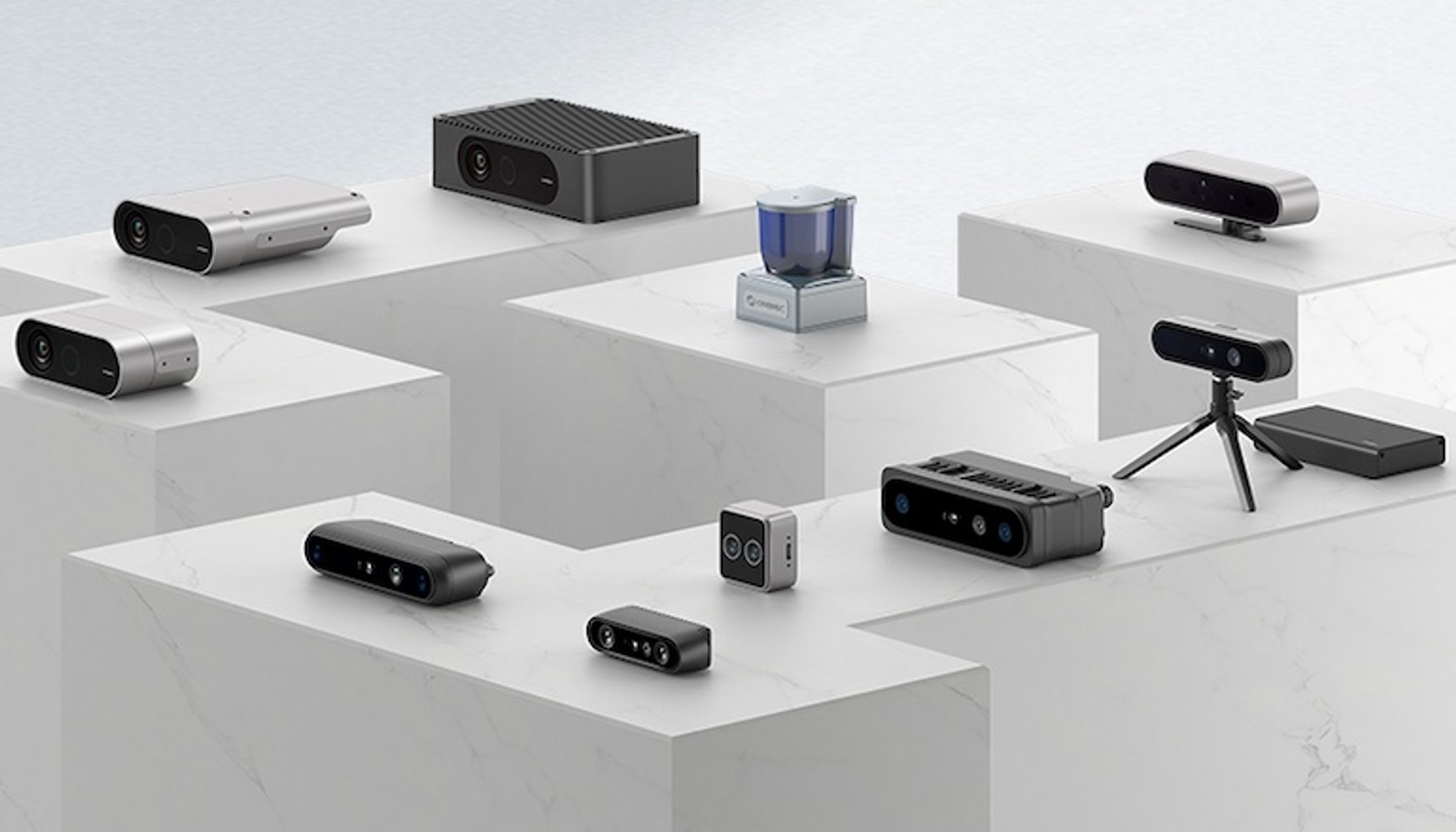
Orbbec markets a suite of cameras for robot perception, picking, and navigation, a reminder that perception is a core lever in automation. The demo is often pristine: a robot glides to a bin, identifies the object, and places it with exacting precision. The crowd nods, investors scribble notes, engineers smile. The problem is not the hardware; it is the real world that refuses to cooperate once the curtain falls. The demo to deployment gap remains one of the most persistent challenges in robotics.
In controlled environments, lighting is stable, objects sit where they are expected, and the robot can lean on a pristine scene. Real factory floors, by contrast, throw curveballs: shifting light across shifts and seasons, reflective surfaces that confound depth sensors, moving people and forklifts that create occlusions, and vibration that unsettles calibration. The perception stack that powers a robot’s decisions often behaves well in a lab and poorly in a warehouse, hospital, or busy production line. A depth map that looks confident can still be wrong, and a plan built on that map may fail in the moment of truth.
Depth sensing and three dimensional vision have transformed automation, yet the technology is not a silver bullet. Traditional 2D cameras remain useful for recognition and inspection, but they do not measure depth. Depth can be inferred from motion, priors, or geometry, but those inferences break when lighting, texture, occlusion, or materials change. This is why industry observers say robots do not need to see like humans; they need to see reliably for the task at hand, under real operating conditions. The result is a reliability problem that sneaks up after the demo, not during it.
What does this mean for plant leaders weighing automation investments? It means that the path from pilot to production is as much about sensing discipline as it is about hardware. Integration teams report that the most successful deployments treat perception as a task specific capability, with explicit success criteria that are validated in real factory lighting, with typical line speeds, and around the actual mix of materials and workers. Floor supervisors confirm that perception drift can emerge when shifts change or when a line runs different products, forcing recalibration or sensor fusion tweaks to keep the system honest.
Operational metrics show that perception failures often translate into rework, stoppages, or the need for human intervention at critical moments. The upfront promise of “seamless integration” is frequently undermined by calibration drift, unexpected reflections, or the absence of robust object models for every SKU. ROI documentation reveals that the economics of automation extend beyond initial payback; the long tail of maintenance, periodic recalibration, and occasional hardware recalibration must be budgeted to sustain gains.
Industry practitioners are adjusting by narrowing the scope of what automation should reliably do without constant human oversight and by coupling perception with other sensory inputs. They are also pushing for better benchmarking, task specific tests that mimic real shifts, loads, and traffic patterns to separate a compelling demo from a durable deployment. The lesson is blunt: the robot's vision must be engineered for real world variability, not just the elegance of a controlled scene.
As the industry continues to iterate, the real test remains practical performance rather than polish in a showroom. The gap between a flawless demo and a reliable, on the floor deployment is closing incrementally, but it will not vanish until perception stacks are designed with real world variability baked in from day one.
- Why robots still struggle to see the real worldtherobotreport.com / Independent source / Published MAY 27, 2026 / Accessed MAY 27, 2026