Fort Robotics joins Nvidia Halos to boost safety
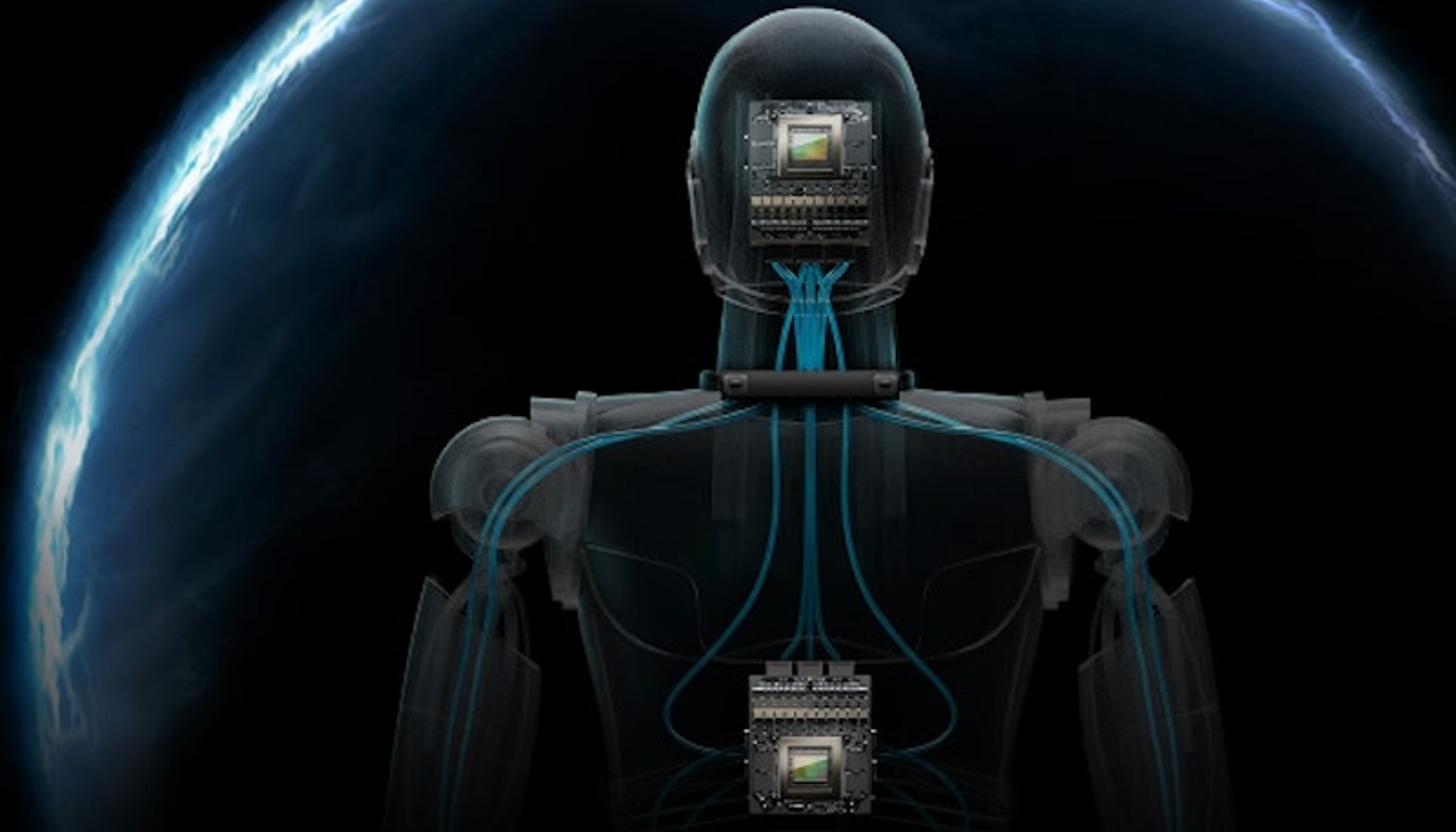
Image / Robotics & Automation News
Fort Robotics tethered its safety stack to Nvidia Halos. The move wires Fort’s “Trust Layer” for physical AI into Nvidia Halos for Robotics, creating a common safety language for autonomous systems.
FORT will demonstrate an agentic safety application built with the open source Nvidia Halos Outside-In Safety Blueprint this week at the Automate conference in Chicago, with a presence in the Humanoid Robotics Pavilion. The company frames this as a practical integration, not a theoretical exercise, showing how an externally governed safety layer can intervene in robotic decision making while keeping the robot’s own control loop intact.
Industry observers say the alliance signals a push toward standardizing how safety is integrated across robot platforms. By tying Fort’s safety stack to Halos, users could gain a more uniform interface for safety checks, alerts, and intervention, potentially reducing the bespoke engineering currently required when stitching safety to diverse hardware and software stacks. Still, the collaboration raises engineering questions that operators will want answered before production use, notably the impact on latency and the compute budget needed to run continuous safety checks in real time.
Two core practitioner considerations stand out. First, interoperability versus performance. The Outside-In blueprint centers safety governance outside the robot’s core autonomy, which can simplify cross-vendor safety validation. But live safety checks must run within tight timing budgets to avoid bottlenecks in high-speed robotic tasks. Organizations will want concrete figures on any added milliseconds of latency and the additional hardware load introduced by the safety layer.
Second, validation and maintenance. The blueprint being open source means the community can test and audit safety logic, but it also places the onus on operators to verify updates don’t drift from their specific risk models. As Halos and Fort’s platform evolve, there will be a need for disciplined versioning, compatibility testing, and field-validation protocols to prevent safety regressions during updates or configuration changes.
The demonstration and pavilion presence underscore a broader industry move toward practical, deployable safety tooling for physical AI. By pairing Fort’s platform with Nvidia Halos, operators get a tangible path to inserting safety constraints and override capabilities into real-world autonomous workflows without rebuilding safety from scratch for each new robot. The event billings emphasize lab to pilot transition work, suggesting the integration is at a pilot stage rather than production at scale, exactly the kind of early validation investors and operators watch for before broader rollout.
From a market perspective, the collaboration could encourage vendors to adopt common safety interfaces, reducing integration friction for enterprises testing robotic fleets across facilities. But success will hinge on demonstrable reliability in diverse environments and clear guidelines for when an external safety layer should intervene versus when autonomous decisions remain fully within the robot’s internal logic. If the Chicago demonstration delivers concrete data, latency, throughput, and real world intervention cases, the industry could see a meaningful shift toward standardized, auditable safety in physical AI.
In the near term, operators should monitor how the Fort Halos integration handles edge-case scenarios, such as rapid environmental changes or multi-robot coordination where safety decisions must scale. The Automate showcase will likely spotlight these tradeoffs and set the pace for what operators should expect from commercial grade agentic safety in the months ahead.
- FORT Robotics extends physical AI safety platform with Nvidia HalosRobotics & Automation News / Trade / Published JUL 10, 2026 / Accessed JUL 10, 2026