Futuring2 Hits 300 Homes in Real-World Test
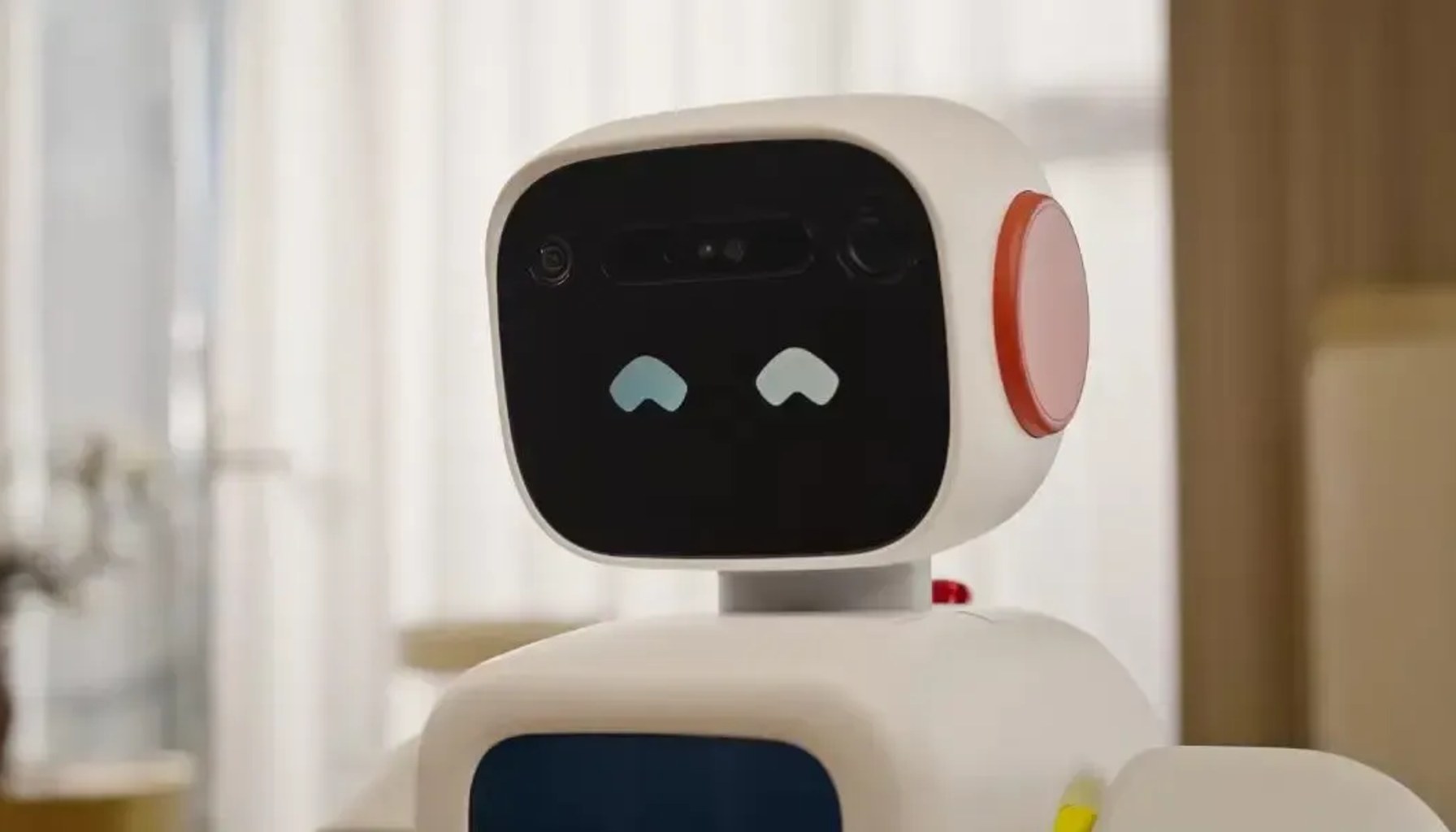
The home-service robot Futuring2 just logged 30,000 hours of real-world testing across 300 Chinese households in Beijing, Shanghai, Shenzhen, and Hangzhou.
Future Not Far’s F2 is priced around $36,000, and its makers frame the device as a do-it-all helper for cleaning, organization, companionship, and basic home security. The hardware claims include 21 degrees of freedom and 24 sensors, with a repeatability of ±0.05 mm and force-control accuracy of ±0.1 N. The robot runs on an in-house “AVLA embodied AI” system that breaks complex tasks into structured subtasks and emphasizes localized recovery when things go off plan. The test program relies on cloud connectivity for multi-user data synchronization and remote management, and the company says some households have seen more than a month of uninterrupted unattended operation, largely focused on routine cleaning, social interaction, and basic security.
The scale of the program matters for China’s robotics ecosystem. Real-world testing in hundreds of households signals a rare level of user exposure outside controlled labs, especially in a country where urban households are increasingly comfortable with connected devices and service robots. The reported deployment footprint covers both the social-repair end of the spectrum—families with kids and elderly relatives—and the everyday practicality angle, like pet owners who push cleaning capabilities in homes with fur and dander.
From a product-development vantage point, the F2’s specs reflect a push to translate high-precision robotics into consumer reality. The stated 21 DOF implies agile manipulation and navigation capabilities, while 24 sensors support situational awareness in cluttered living spaces. The affinity for “localized recovery” is notable: rather than resetting tasks to square one after a glitch, the AVLA framework seeks task decomposition and on-the-spot recovery, a design philosophy that Chinese robotics teams increasingly tout as essential for domestic adoption. Cloud-backed multi-user management is a double-edged sword—convenience and personalization come with privacy and security considerations, especially in households that treat data as sensitive.
For executives and supply-chain professionals watching China’s manufacturing engine, the F2 program offers two concrete implications. First, the domestic market is maturing from R&D to product validation in real homes, not merely investor demos. A $36,000 price tag, while steep, is framed against roughly six months of local household-service costs in major cities, suggesting the product targets a premium segment—think affluent urban households, high-end property management, or hospitality partners seeking differentiated guest experiences. If the cost curve can be bent over time, China’s ecosystem could push toward broader adoption with new financing, service models, or incremental feature add-ons.
Second, the test underscores how Chinese robotics players balance hardware ambition with software-focused differentiation. The emphasis on embodied AI and task decomposition aligns with a broader shift away from purely mechanical prowess toward intelligent, context-aware operations. That combination—high-precision actuation and localized AI-driven task handling—could influence how component makers and system integrators align in the coming years. Expect more emphasis on durable perception stacks, edge-enabled processing, and privacy-respecting cloud services as the next frontier of competition.
What to watch next: will broader deployment bring price discipline or new service-automation bundles that justify cost? How quickly will after-sales support and long-term reliability metrics translate into consumer confidence, and will providers expand into mid-market segments such as rental fleets for property managers or elder-care facilities? And as local robot ecosystems deepen, will Chinese players compete on total-cost-of-ownership rather than sticker price alone?
The Futuring2 program stands as a telling milestone—proof that validated home-robot capability exists in scale within China, and a reminder that the real hurdle remains transforming curiosity into everyday habit in homes a few thousand yuan at a time.
- Futuring2 Robot Enters 300+ Households in Real-World Testingpandaily.com / Source role not classified / Published APR 14, 2026 / Accessed APR 14, 2026