Government stake seals magnet factory bet
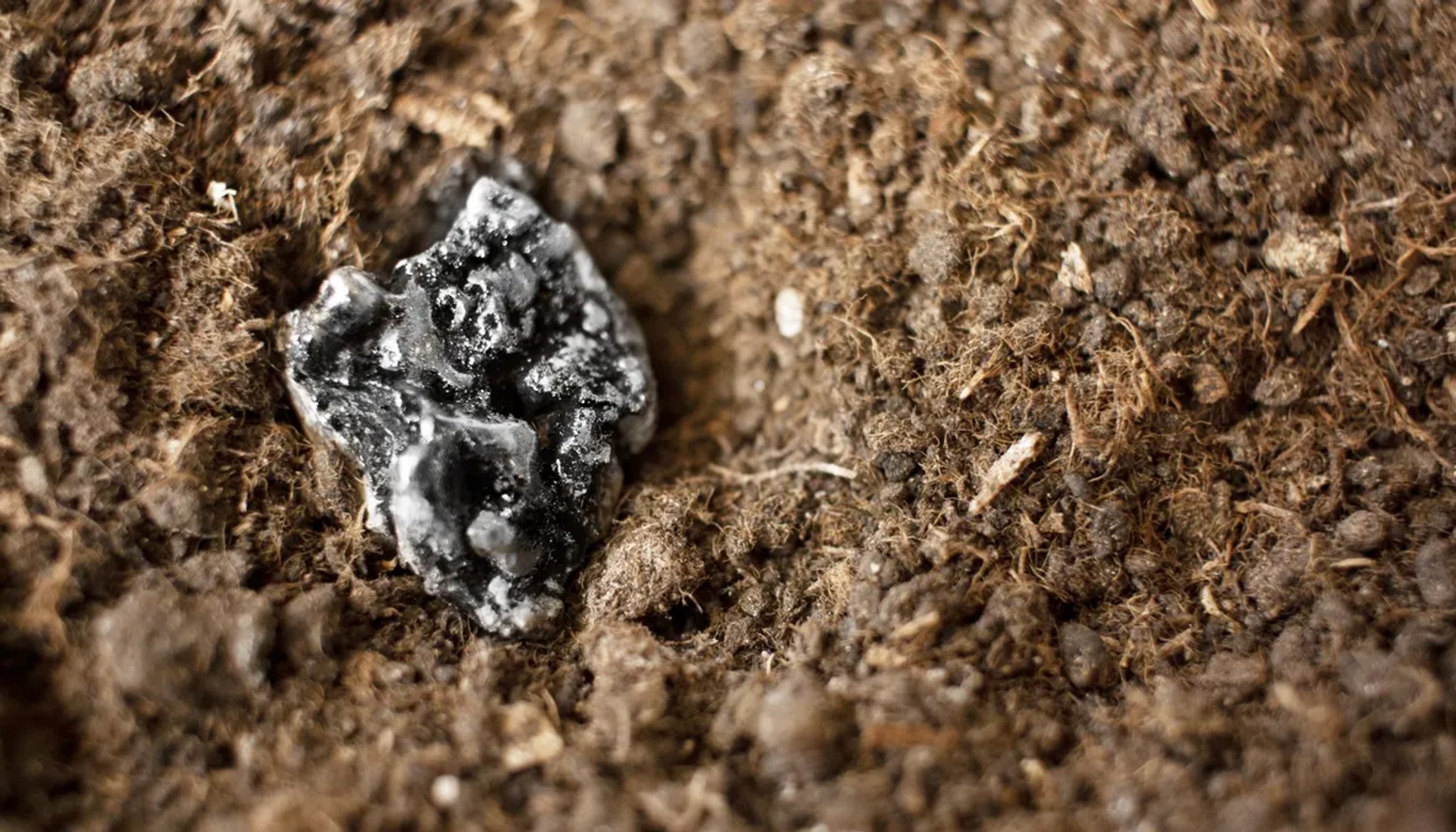
USA Rare Earth plans to invest about $1.2 billion to build a new magnet factory in Blacksburg, South Carolina, a project designed to bolster domestic supply of high performance magnets used in everything from electric motors to defense systems. The venture is backed by CHIPS Act funding, and the company estimates the facility will create roughly 490 jobs once fully up to speed. In a nod to the evolving role of the public sector in industrial capital, the U.S. government will become one of the company’s largest shareholders as part of the funding agreement.
From an operations standpoint, the project is framed around building a high throughput line with the kind of precision required for rare earth magnet production. The numbers that will matter most after the gates open are cycle times and throughput, the two levers that determine how fast the plant can turn raw material into finished magnets and how many units it can push through the line in a shift. Deployment data shows that for facilities of this scale, the ROI hinges on tightly controlled production pacing, reliable uptime on core equipment, and minimal scrap, all balanced against the capital outlay and the costs of commissioning new automation.
The integration challenge is equally critical. The factory will need a well orchestrated blend of equipment purchases, software controls, and utility infrastructure to support continuous operation. The case study reports that projects like this rely on careful alignment between suppliers, integrators, and the plant floor teams to ensure the line can be tuned for stable output from day one. In practice, that means powerful data capture from sensors, real time diagnostics, and a control system that can absorb variations in feedstock quality without driving downtime. The signal to operators will be clear and consistent so that cycle times stay within target bands and throughput remains predictable over the first 12 to 18 months of ramp.
Automation in a magnets factory typically involves a mix of automated handling, inspection checkpoints, and precision finishing steps. When skilled trades are required, automation tends to augment the work of technicians, inspectors, and craft labor rather than replace them outright. In this project, that means field teams will be needed for installation, line integration, and equipment calibration, while automated systems take on repetitive tasks and high-precision measurement. The 490 jobs expected to come with the plant will span roles from equipment assemblers to quality inspectors, with a strong emphasis on sustaining continuous operation through preventive maintenance and rapid fault isolation.
For plant leaders and finance chiefs, the investment signals a broader push to reshore supply chains for strategic components. The funding arrangement not only provides capital but also introduces a government stakeholder dynamic that will shape milestones, oversight, and long term incentives. Deployment data shows that public participation can improve risk-sharing but also shifts the governance burden toward compliance, reporting, and quarterly progress reviews. The case study reports that the economics of the project will be tested against timing of construction, the pace of regulatory approvals, and the ability to bring suppliers of critical materials into a domestic ecosystem without absorbing prohibitive lead times.
What to watch next is straightforward: timely construction milestones and commissioning schedules, the stability of the supply chain for magnet materials, and the terms of the government’s equity position, including any milestones that unlock additional funding or influence. The question for operators and investors is whether the combined asset will hit design cycle times, sustain target throughput, and deliver the anticipated ROI while the government balances policy objectives with the commercial realities of a high capital project.
- USA Rare Earth to invest $1.2B in South Carolina magnet factoryManufacturing Dive / Independent source / Published JUN 03, 2026 / Accessed JUN 04, 2026