Hidden issues lurk in your Home Assistant setup
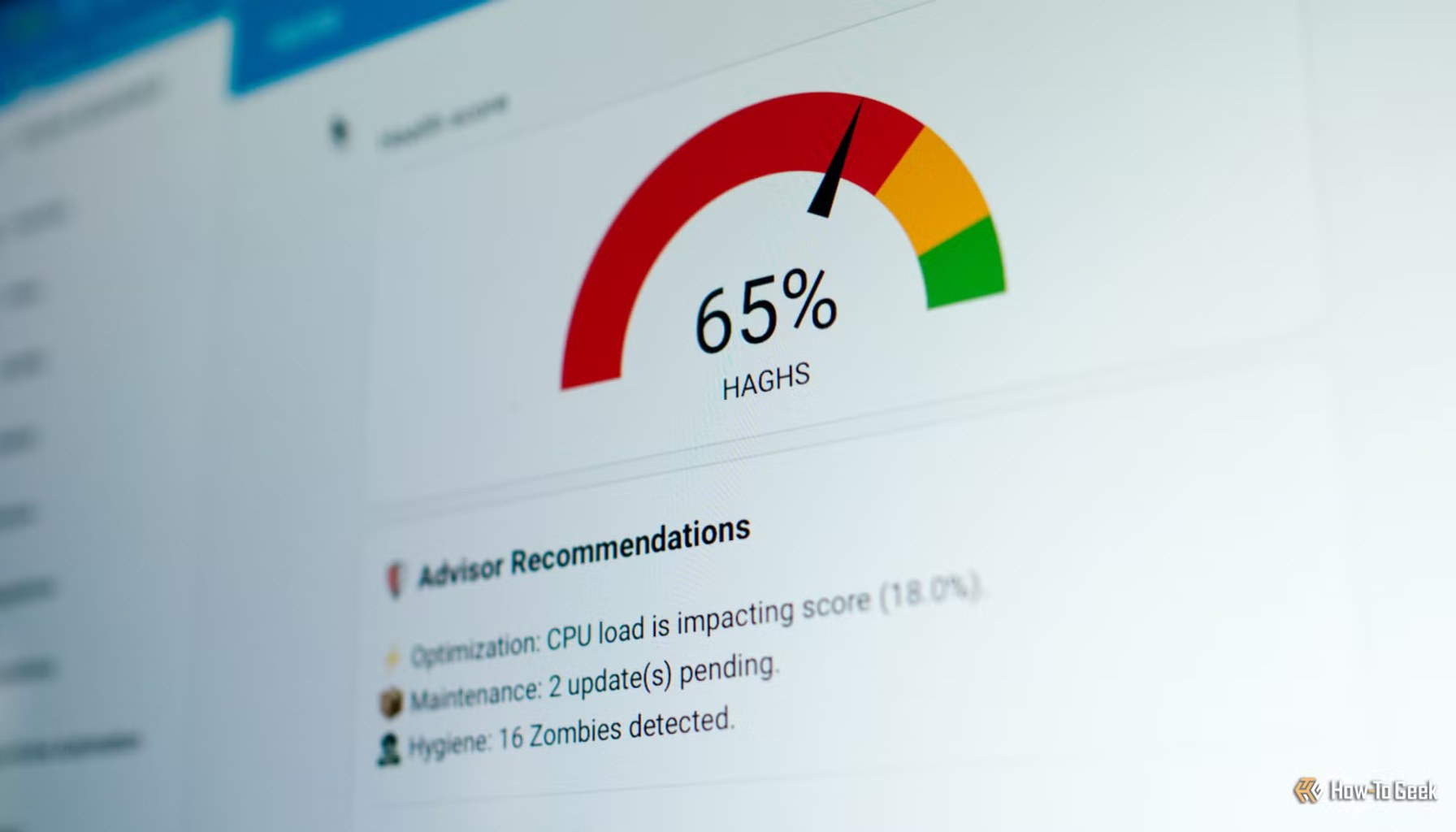
Your Home Assistant looks fine, but it’s quietly breaking behind the scenes.
The How-To Geek piece on Home Assistant integrations spots a familiar trap: a system that appears healthy on the surface can hide missing entities, missing services, and stubborn performance bottlenecks that slow down the whole home. The point is not to panic but to acknowledge that smart homes are ecosystems of overlapping parts, and a misconfiguration in one corner can ripple through automations, dashboards, and device control. When you enable targeted integrations that audit the setup, you can surface problems you didn’t even know existed.
What the article makes clear is practical and a little sobering. You may think your automations fire reliably, only to discover that an essential device or service was renamed, moved behind a wall of dependent integrations, or simply not reporting its state back to the hub. Hidden issues aren’t rare, and they aren’t always obvious until you try to measure something like latency, queue length, or a failed service call. The result is a cleaner, more predictable smart home, because you fix the root causes rather than chasing intermittent glitches.
From a consumer standpoint, the takeaway is relevance and timing. The diagnostic integrations highlighted by the piece act like a health check for a house full of moving parts. They help you identify broken links between devices, stale entities that never get updated, or automations that no longer reflect the real world. The practical payoff is fewer false positives, fewer surprises during a routine scene like “bedtime” or “away,” and a system that behaves closer to how you expect a centralized control plane to behave.
Two to four practitioner insights emerge from this focus, grounded in the realities of running a large, integrated setup. First, start with the core devices and services that your daily life depends on. If those foundations are sound, the rest of the network has a better shot at being reliable. Second, resist the urge to bolt on more integrations without auditing what you already have. New connections can introduce edge cases or create competing state information that confuses automations. Third, perform periodic reviews after major changes; new devices, renames, or firmware updates can silently break dashboards or scripts. A quick sweep with diagnostic checks can save hours later. Fourth, maintain a backup before delving into diagnostics; while the tools are valuable, misconfigurations in an audit can cascade into new problems if you push changes live without a plan.
The catch is worth noting. Diagnosing deeper issues often involves exposing more data paths and relying on cloud or external services for certain checks, which raises privacy questions and potential lock-in. You may gain clarity on your setup, but at the cost of broader telemetry or dependency on a particular provider or cloud feature. The cost of this clarity can include ongoing subscription or service fees if you opt into cloud-based diagnostics or premium add-ons. In practice, users should weigh the incremental privacy tradeoffs and the long tail of dependence when deciding which checks to enable.
As a consumer, the broader context is that these diagnostic tools reflect a broader trend: smart homes thrive on transparency about how things talk to each other. The more you know about the state of entities, services, and automations, the more you can prioritize stability over bells and whistles. The article’s core message is simple: you can’t assume reliability just because a system says it’s online. Regular, targeted health checks are essential for turning a collection of smart devices into a dependable home.
- These Home Assistant integrations find problems you never knew existedHow-To Geek Smart Home / Independent source / Published JUN 13, 2026 / Accessed JUN 13, 2026