Knee Mills vs Bed Mills: A Precision Decision
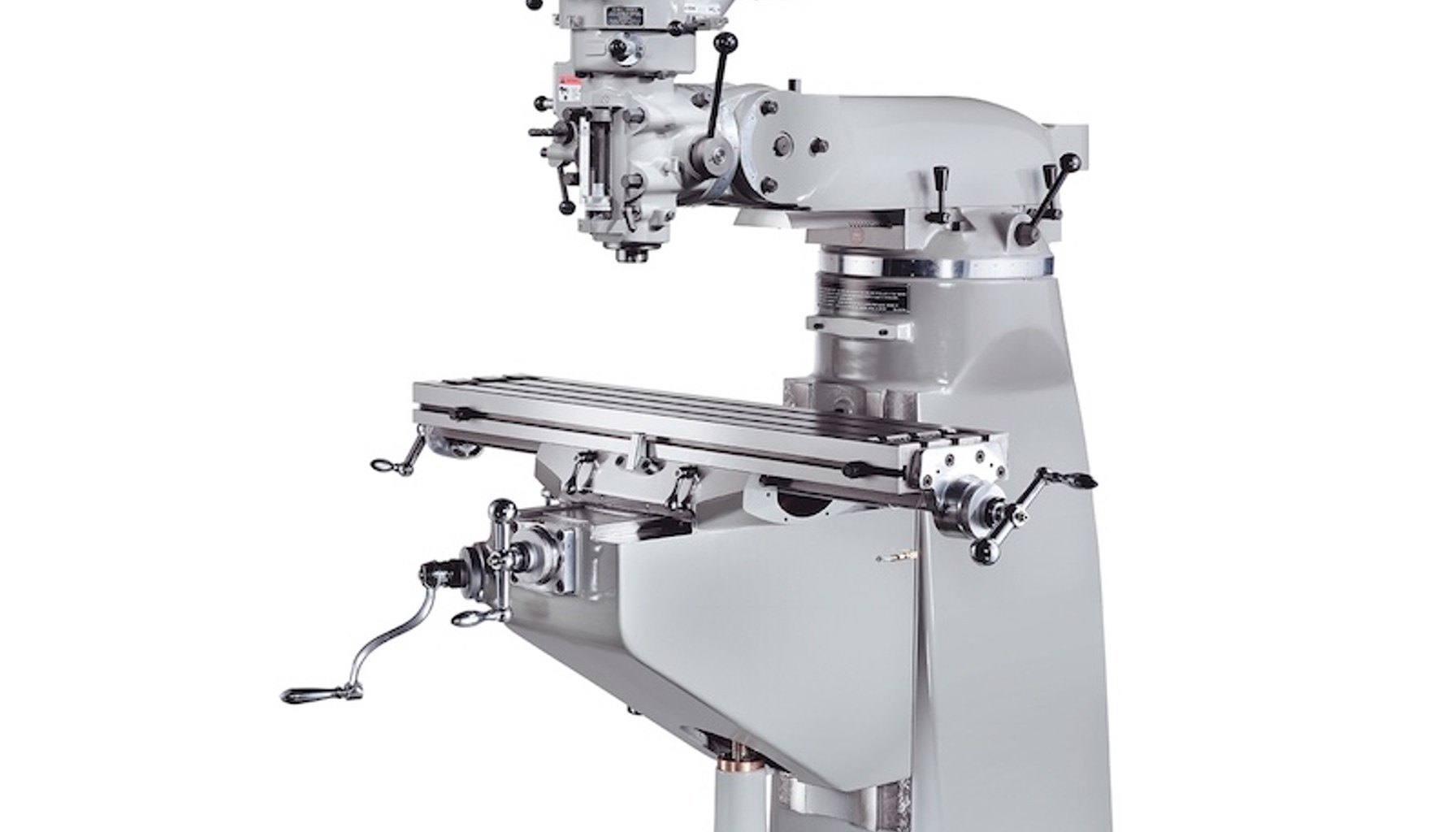
Knee mills save space; bed mills finish parts faster.
In precision manufacturing, the equipment decision isn’t about which machine is the strongest, but which one fits the job. Robotics and Automation News frames the issue around two common vertical formats: knee mills and bed mills. The takeaway for shops chasing tight tolerances and predictable throughput is simple: match the machine to the part, not the marketing brochure.
Knee mills are the lean, versatile option. They typically win on price and footprint, and they excel in prototyping, short runs, and complex geometry where flexibility matters more than raw rigidity. Production data shows that operators can set up and retool knee mills quickly, a real advantage when product mixes shift weekly. But that flexibility comes with limits: the travel envelope is smaller, and the spindle is often less isolated from vibration than a dedicated bed mill. In practice, shops use knee mills for detailed pockets, tight-tolerance features on smaller parts, and frequent changeovers where a full-scale production mill would stall. Integration teams report that the savings in floor space and initial cost can offset slower cycle times, provided the job mix doesn’t demand long, high-volume runs.
Bed mills, by contrast, are the workhorses of rigidity and capacity. Their larger travel, heavier construction, and optimized ways translate into repeatable accuracy across longer cycles and bigger parts. For high-volume production with uniform geometry, a bed mill’s stability reduces rework and tool wear, delivering smoother surfaces and tighter tolerances over time. The trade-off is real: a more substantial floor footprint, higher upfront and maintenance costs, and longer lead times to move from demo to deployment. Floor supervisors confirm that the payoff often comes when part families stay within the same fixture and process for weeks or months, rather than days.
From ROI to integration, the decision hinges on production mix and maintenance discipline. ROI documentation reveals payback windows that hinge on the percentage of part families that actually benefit from the machine’s strengths, and on how quickly a shop can convert manual operations to CNC or semi-automated workflows. Integration teams report that floor space design, power provisioning, and operator training hours are the quiet levers that tilt the balance. Knee mills demand less of all three, while bed mills require commitment to a more expansive automation and maintenance plan. In facilities wrestling with space constraints or a tight capital budget, the knee mill often wins as the immediate enabler of digital upgrades; in shops chasing reproducible, high-volume output, the bed mill tends to be the long-haul solution.
There are also practical failure modes every shop should watch. Tool life and fixture durability can dominate the cost picture if the chosen mill isn’t paired with appropriate fixturing and a robust preventive maintenance plan. And even with a “better” machine, a poorly planned changeover strategy or inadequate operator training can erase the anticipated gains. As one operator puts it, “the numbers don’t lie, but the schedule does”—a reminder that a deployment’s success depends as much on process discipline as on hardware choice.
In the end, the knee mill versus bed mill decision is not a universal verdict, but a mirror of a shop’s daily reality: mix, cadence, and capital discipline. The article underscores a basic truth for the floor: the right tool is the one that keeps the line moving, with predictable quality, while fitting within the shop’s space and budget constraints.
- Knee Mill vs Bed Mill: Which One Makes More Sense for Precision Manufacturing?roboticsandautomationnews.com / Source role not classified / Published APR 08, 2026 / Accessed APR 09, 2026