Kuka bets AI brains on the factory floor
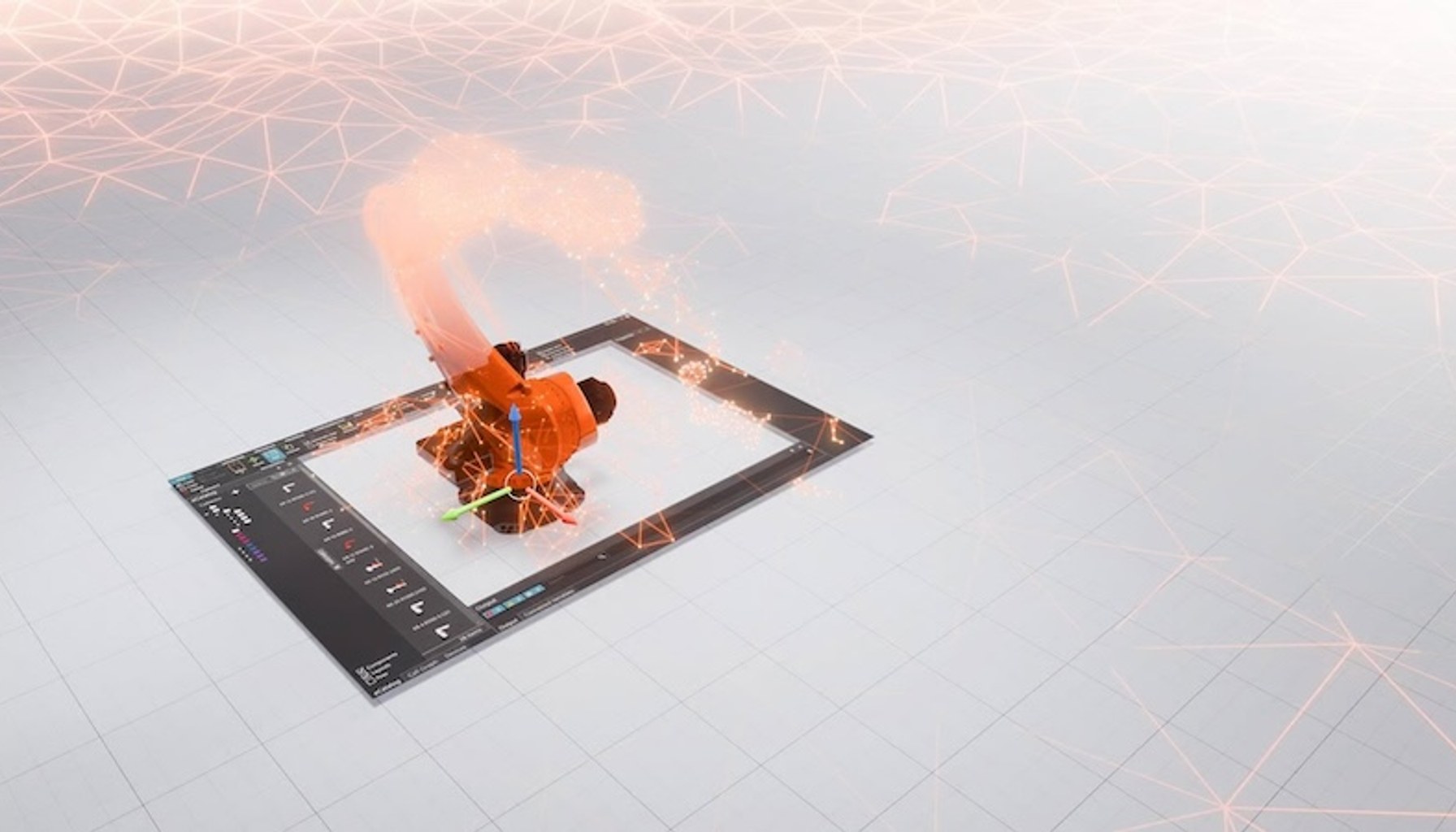
Kuka's factory robots just got a brain.
At Nvidia’s GTC, the German automation maker rolled out Automation 2.0, a strategy that layers artificial intelligence software over traditional industrial robotics to deliver more adaptive, autonomous operations. The move isn’t just a marketing line; it sits squarely in a real industry shift toward “physical AI,” where sensors, edge compute, and machine-learning models try to keep the plant running with less human tinkering.
What does Automation 2.0 actually aim to do on the floor? Kuka positions it as an end-to-end upgrade: robots that learn from data generated during production, adjust their behavior in real time, and coordinate with other processes—think pick-and-place lines that reoptimize paths when a tool wears, or welding cells that recalibrate seam patterns as material batches vary. In plain terms, this isn’t a once-and-done robot retrofit; it’s a software-enabled mobility of the cell, a degree of autonomy that promises to reduce downtime and squeeze out variability that static automation leaves behind. Production data shows the potential to move from rigid programming to data-driven decision making, but the real test will be live deployments where the plant’s constraints—tolerances, changeover speed, and sensor health—pose friction not found in a lab.
The practical implications lean on a few hard integration realities. Integration teams report that adding AI to a robot cell requires more than a new controller; it demands a robust digital backbone. Expect edge compute near the line, reliable networking with low-latency feedback loops, and data pipelines that can filter, label, and stream sensor signals without choking the PLCs that still steer the machines. Floor space and power draw matter more than the glossy demo: AI-enabled cells multiply the need for enclosure, cooling, and uninterrupted power during model refresh cycles. And operators will need training hours to surface useful insights rather than chasing automatic alarms. That’s not a trivial uplift; it’s a re-skilling effort that CFOs will want scheduled into the project plan, not added later as a fire drill.
The human division of labor on Automation 2.0 is nuanced. Tasks that reward repeatability—quality inspection, trajectory optimization under stable conditions, and anomaly detection driven by historical data—will migrate to the AI layer. But there are clear boundaries: when the system faces truly novel variances or safety-critical decisions, human oversight remains essential. Floor supervisors confirm that the new models shine when patterns repeat, but they also flag that confidence calibration—knowing when to override an AI suggestion—will be a skill in itself.
Hidden costs are the real trap for many “AI on the line” promises. Training hours don’t simply vanish into a software license; they materialize as ongoing, model-specific education for maintenance staff, data labeling for continuous improvement, and periodic retraining to reflect wear, supplier changes, or process drift. Vendors tend to understate licensing complexity and the ongoing need for data governance, cybersecurity, and software version management. In other words, you’re not just buying a robot; you’re buying a living software-defined cell that requires ongoing care, bug fixes, and performance validation.
Looking ahead, the industry’s takeaway is cautious optimism. Automation 2.0 aligns with the broader push for adaptive manufacturing, but leaders should demand pilot programs with clear success metrics, a realistic view of training burdens, and explicit ownership for data management. The payoff, if it appears on the factory floor, will look like shorter changeovers, smoother line balancing, and fewer unplanned stops—benefits that show up in the gaps between the demos and the deployment reality.
- Kuka outlines ‘Automation 2.0’ strategy, combining AI software with industrial roboticsroboticsandautomationnews.com / Source role not classified / Published APR 13, 2026 / Accessed APR 14, 2026