Kuka bets on AI-augmented robots with Automation 2.0
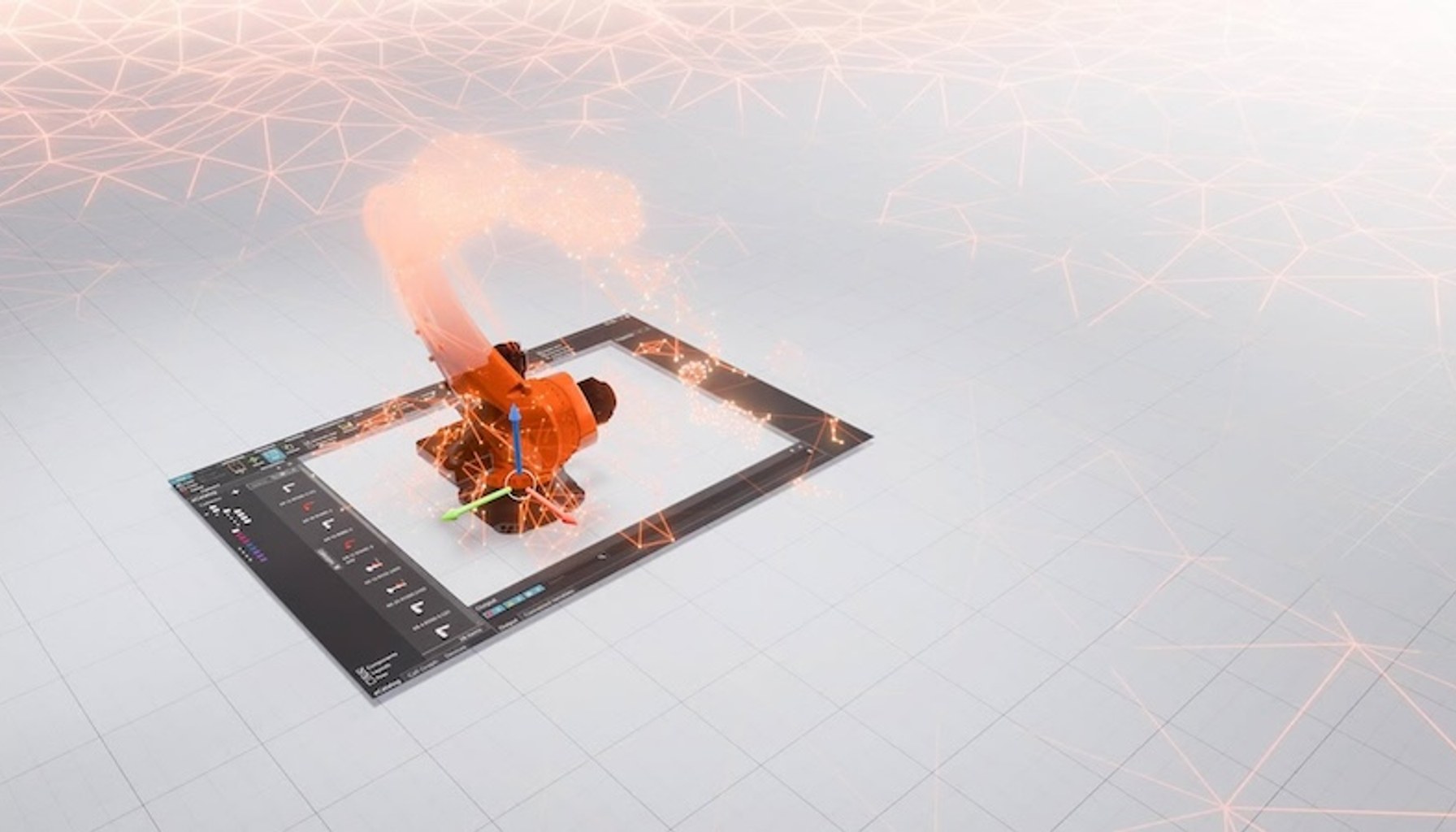
Kuka is betting that the future of manufacturing lies in “Automation 2.0,” a strategy that fuses AI software with industrial robotics to create adaptive, autonomous operations. The reveal, shared at Nvidia’s GTC event, frames the move as part of a broader shift toward “physical AI”—systems that not only follow pre-programmed steps but learn, reconfigure, and optimize in real time on the factory floor.
The core idea is simple in concept but demanding in execution: embed intelligent software across robot cells so they can cope with variability, detect anomalies, and replan tasks without waiting for a human engineer to redraw the process. Production data shows the potential for smoother throughput and fewer stoppages once AI-enabled perception and control are in the loop. Yet the road from a compelling demo to a durable deployment remains stubbornly long—high on promise, short on turnkey metrics.
Kuka’s presentation signals a deliberate pivot away from purely mechanical automation toward an integrated stack: perception, planning, and control layers tightly coupled with robotics hardware. That means more than a new robot arm; it requires an AI software spine, data pipelines, edge compute, and robust integration with existing lines. In practice, that spine must align with real-world constraints: latency budgets for control loops, data governance for model updates, and rigorous safety and change-management processes. ROI documentation reveals that the value isn’t earned by a single clever inference but by the entire system’s reliability over time.
What does it take to realize Automation 2.0 on a line? Integration teams report that success hinges on a disciplined data foundation and a scalable software layer that can operate across multiple cell types and brands. Floor supervisors confirm that operator training and a clear escalation path for AI-driven decisions are non-negotiable for acceptance in a 24/7 operation. The broader industry takeaway is that automation now demands a blend of software discipline and hardware capability: digital twins for simulation, real-time sensor fusion, and continuous learning loops that don’t destabilize existing processes.
Two practitioner realities stand out. First, the economic delta sits in the details of integration, not in the novelty of AI. Hidden costs vendors don’t mention upfront—licensing, ongoing model maintenance, data storage, cybersecurity, and the need for dedicated data engineers—can erode early gains if not budgeted. Second, even with a successful pilot, some tasks will remain human-led. Operational metrics show that human oversight remains essential for exceptions, complex quality decisions, and safety compliance. The promise of autonomous throughput increases will be realized only where the organization is willing to invest in training hours, cross-functional teams, and a governance model for AI updates.
Kuka’s Automation 2.0 launch lands at a pivotal moment for manufacturers weighing AI investments against the risk of stranded automation projects. It’s a clear signal that the next leap isn’t a fancier robot—it’s an integrated, learning system that can adapt in the field. If the company can translate pilots into repeatable deployments with transparent ROI, it could tighten the corridor between demo and deployment—where many projects stall.
Ultimately, the industry is watching to see whether the “physical AI” promise translates into reliable cycle-time improvements and robust returns across diverse lines. The coming quarters will reveal whether Kuka’s framework can scale from a compelling showcase to a standard approach for modern factories.
- Kuka outlines ‘Automation 2.0’ strategy, combining AI software with industrial roboticsroboticsandautomationnews.com / Source role not classified / Published APR 13, 2026 / Accessed APR 13, 2026