Kuka Unveils Automation 2.0: AI-Driven Robotics
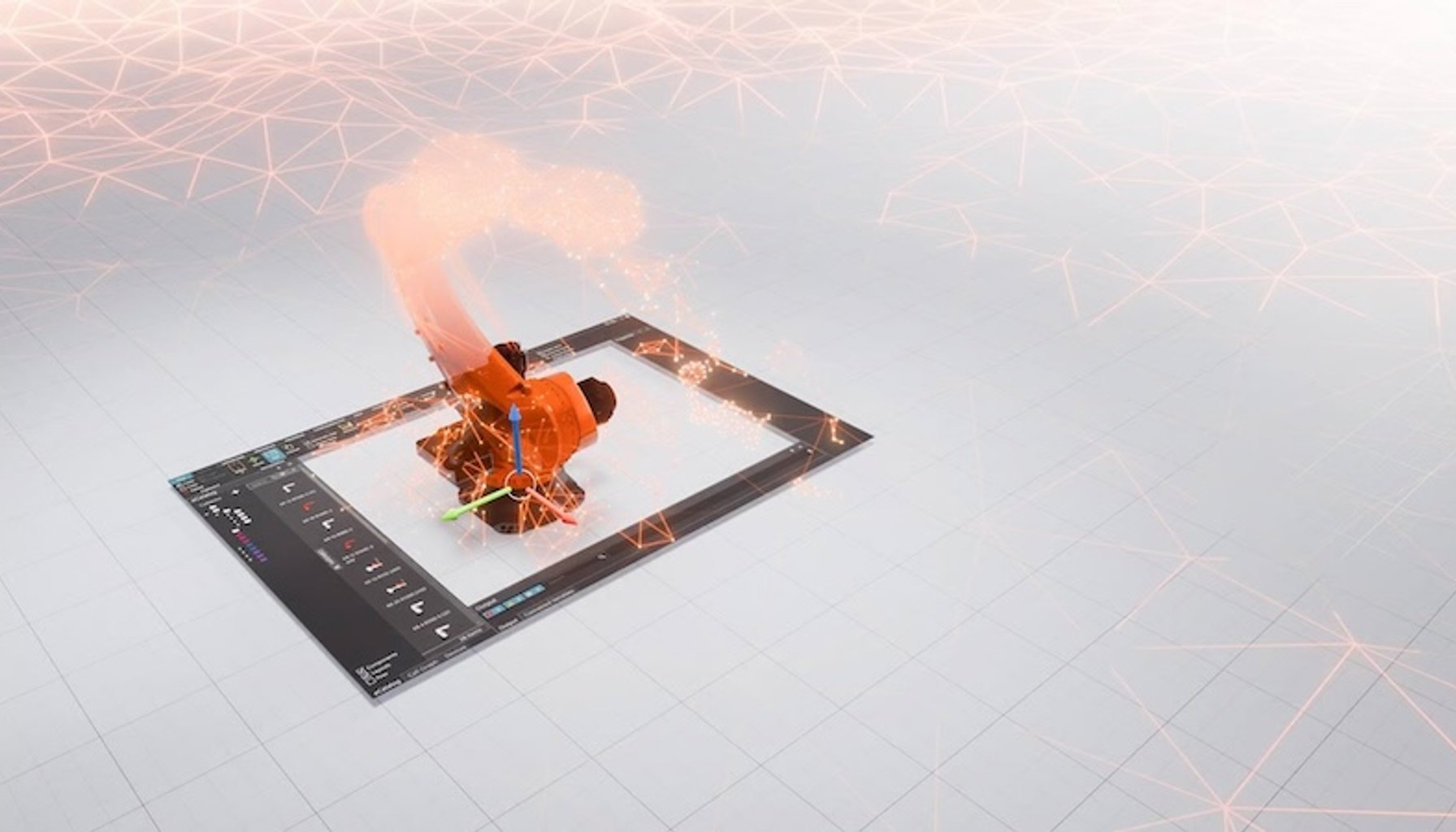
Kuka just rewired factory floors with AI-powered robots. The German automation pioneer took the stage at Nvidia’s GTC conference to unveil its Automation 2.0 strategy, a bold push to fuse artificial intelligence software with industrial robotics for more adaptive, autonomous operations on the line.
What Kuka calls Automation 2.0 is more than a marketing rebrand. The company says the approach embeds AI directly into the control loop of robotic cells, enabling on-the-fly decision-making, self-optimization, and tighter coordination across equipment. In practice, that means robotic arms, sensors, and conveyors don’t just follow a fixed script—their behavior can adjust to real-time conditions, quality signals, and changing takt times. It’s part of the broader industry shift toward “physical AI,” where intelligence sits at the edge of the factory floor rather than solely in a cloud or a central PLC.
Industry observers note the promise is real, but also dense with practical hurdles. The Nvidia GTC setting—where AI researchers meet automation engineers—signals a convergence point: AI toolkits, vision stacks, and edge compute are now expected to live inside the same cells that previously ran simple pick-and-place routines. Production data show that true gains from this blend hinge on three levers: software compatibility with existing hardware, data quality for training and inference, and the ability to keep lines running smoothly while AI models adapt to new tasks. In other words, the dream of a self-optimizing line still requires careful implementation work.
One practitioner lens sees Automation 2.0 as a double-edged sword. On the upside, integration teams report potential for shorter changeovers, faster adaptation to product variations, and fewer human-led interventions when disturbances occur. On the downside, the floor must accommodate new infrastructure: additional sensors, edge compute units or upgraded controllers, and reliable, high-bandwidth data networks. That translates into tangible floor space requirements, power provisioning, and cooling capacity—plus time spent training operators to work with AI-enabled workflows rather than traditional teach pendants alone.
What still isn’t clear from the initial unveiling is the real-world ROI timeline. The announcement does not publish cycle-time or throughput improvements, nor a payback period, which leaves CFOs and plant managers curiously optimistic but uncertain about the math. ROI, as always in automation, will come down to a few variables: how much a cell’s downtime is reduced by predictive responses, how much batch-to-batch rework is trimmed by adaptive control, and how smoothly the AI stack can be refreshed as product designs evolve. Without published numbers, manufacturers will need to run pilot deployments to gauge payback against their own mix of SKUs, changeover frequency, and maintenance costs.
From a practical standpoint, there are 2–4 concrete considerations for operators eyeing Automation 2.0. First, integration requirements will intensify: floor space must accommodate additional sensors and edge devices, power needs may rise, and cooling must be upgraded to support on-site AI inference. Second, training hours become a formal budget line item: operators and programmers must learn to supervise, retrain, and validate AI models as production demands shift. Third, humans won’t vanish from the line. Complex exception handling, model governance, and regular sanity checks for AI decisions remain tasks for skilled technicians and engineers. Fourth, vendors historically understate hidden costs: data management, licensing for AI software, ongoing model maintenance, and cybersecurity investments all add up as systems scale from pilot to full production.
If you squint at Automation 2.0, you see a plausible path to higher throughput and more resilient lines—but it’s not a free lunch. The payoff is real in theory, but the operational reality will be written by how well the AI stack interoperates with legacy equipment, the rigor of data governance, and the discipline of upskilling the workforce to partner with intelligent machines.
- Kuka outlines ‘Automation 2.0’ strategy, combining AI software with industrial roboticsroboticsandautomationnews.com / Source role not classified / Published APR 13, 2026 / Accessed APR 13, 2026