Logic's Octopus Boosts Warehouse Throughput
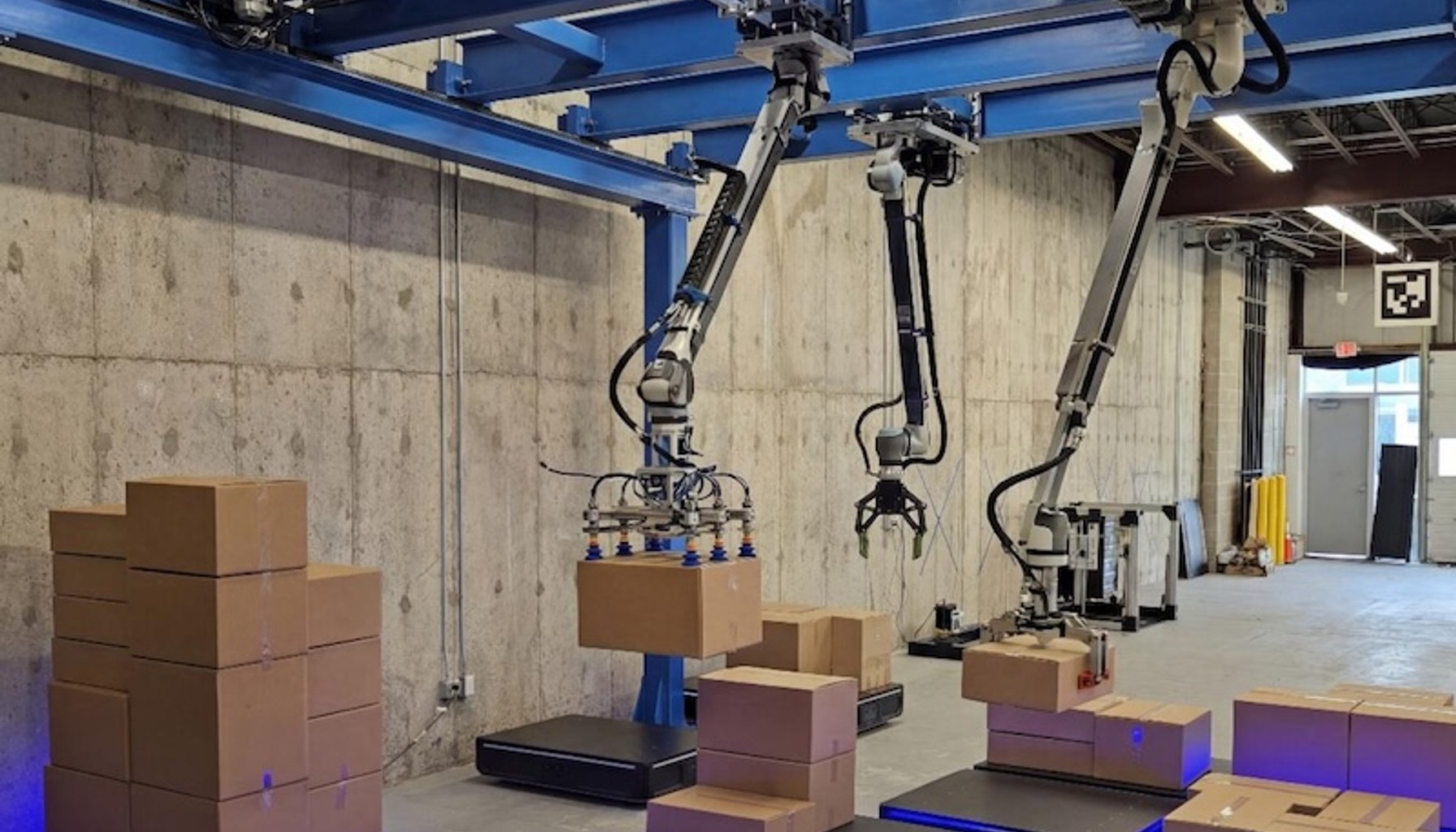
An overhead, multi-arm robot just rewired warehouse picking.
Logic is touting the Octopus as a ceiling-mounted, agile alternative to traditional floor-bound equipment, designed to lift high-speed case handling out of congestion and into a smarter, more data-driven workflow. The system, described as an overhead goods-to-robot picker, is paired with Logic Pallets to turn every loading zone into a self-contained automation cell. In plain terms: suspend the action above the floor and let the robot do the fast, repetitive picking while the floor handles packaging, inspection, and human-centric exception work. The pitch is straightforward: more throughput with less floor space tied up in automation hardware.
Industry chatter aside, Logic frames Octopus as a way to reimagine zones that are often bottlenecks in busy warehouses. By moving the picking cycle to the ceiling, operators anticipate less aisle contention and a continuous flow where humans can focus on throughput-critical tasks that still resist full automation. Integration teams report that the overhead approach can unlock valuable floor real estate, but only if building infrastructure supports the new load and safety requirements. The system’s ceiling-mounted stance also means maintenance and cleaning become a different kind of burden—one that sits above the usual line of sight and routine access tasks for floor staff.
From a practitioner’s lens, the real questions revolve around integration, reliability, and the human-machine handshake. Floor supervisors confirm that the Octopus can operate in zones previously dominated by fixed conveyors or manually staged handoffs, with a promise of more consistent cycle times in high-velocity picking. Yet, the practical payback hinges on how smoothly the overhead system can be integrated with existing warehouse management software, material handling equipment, and safety protocols. Production data shows gains in throughput potential, but there are caveats: the numbers aren’t public yet, and every site’s geometry, racking, and ceiling structure will influence outcomes. In other words, the upside is credible, but not a universal slam-dunk without careful site planning and vendor support.
The deployment playbook for an overhead robot always includes human factors. Tasks that still require human workers aren’t going away—at least not immediately. Operators will continue to handle inbound sorting exceptions, quality checks, and packaging workloads that demand judgment or flexibility beyond what a robotic arm can reliably manage. The Octopus aims to reduce repetitive, high-speed picking in crowded floor zones, but unexpected orders, damaged cases, or SKU changes can trigger manual intervention. Floor staff are likely to see a shift in workload rather than a removal of roles, with training focusing on safety around overhead machinery, debugging software dashboards, and coordinating with the automated cell to preserve throughput during abnormal conditions.
Hidden costs vendors don’t mention upfront tend to appear once the system is in daily operation. Integration isn’t simply a plug-and-play event; it requires project-trajectory work: ceiling rigging assessments, structural verifications, and the creation or adaptation of control and safety interlocks. Software integration with the warehouse stack—WMS, ERP, order streaming—needs robust data networking and cybersecurity hygiene. In practice, ROI documentation reveals that the true payback depends on how quickly the site can absorb the new cell into the order flow, train operators and maintenance teams, and align downstream packaging and labeling lines with the new pick cadence. As with any ceiling-mounted automation, ongoing preventive maintenance, calibration, and occasional component upgrades become part of the total cost of ownership.
Logic’s claim is not that the Octopus will replace humans overnight, but that it can turn idle ceiling space into a productive automation asset, delivering a clearer path to higher throughput without sprawling floor installations. Whether the promised payoff materializes will come down to site-specific factors: warehouse layout, SKU variance, and the rigor of the integration and training plan. For now, the industry will watch pilot deployments closely, hoping the Octopus can prove the adage that a little overhead can unleash a lot of speed on the floor below.
- Logic introduces ‘Octopus’ overhead multi-arm robot to boost warehouse throughputroboticsandautomationnews.com / Source role not classified / Published APR 08, 2026 / Accessed APR 09, 2026