MIT Reveals 10 AI Priorities for 2026
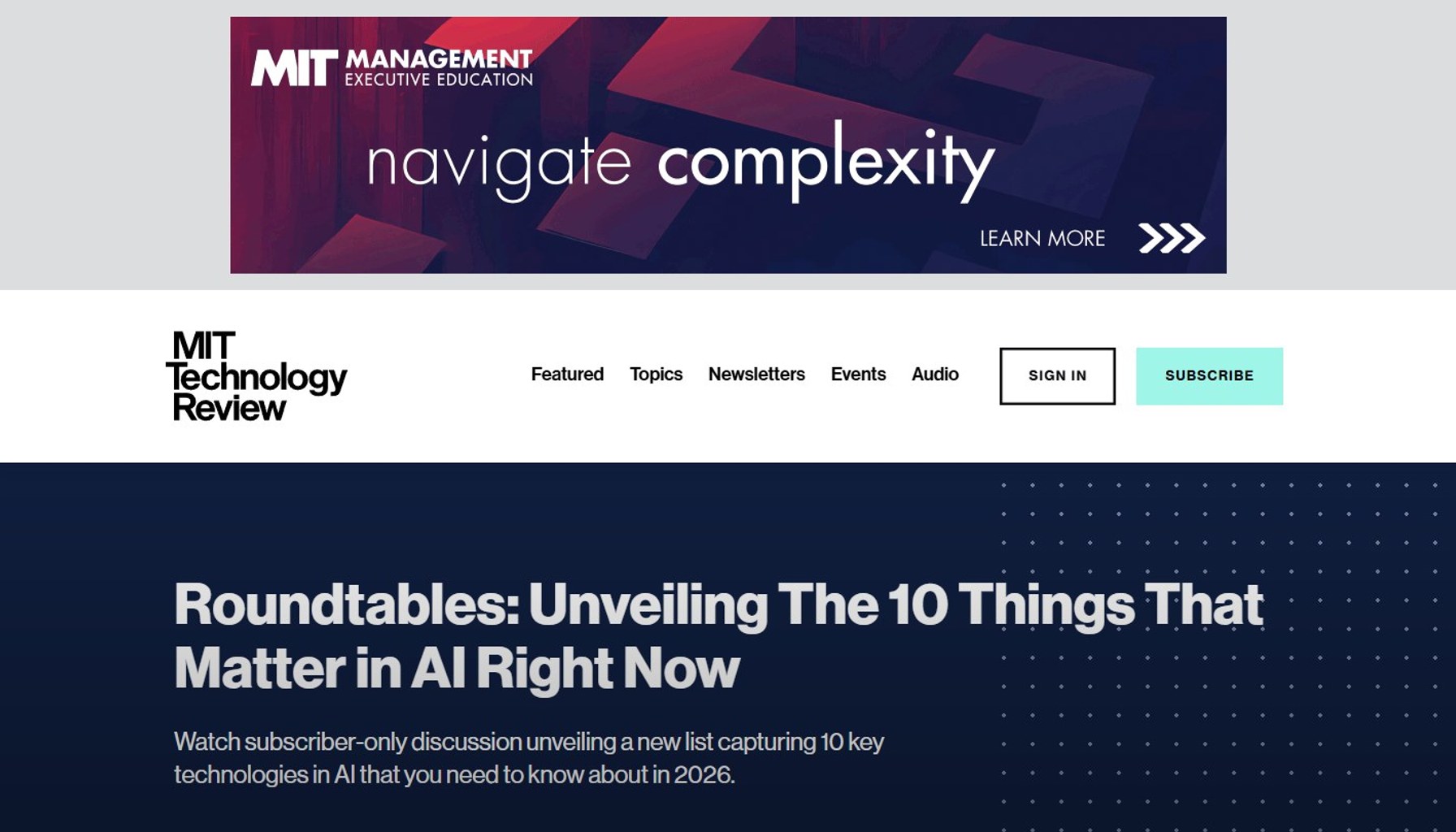
MIT’s EmTech AI roundtable just handed engineers a blueprint for 2026. At EmTech AI on April 21, 2026, MIT Technology Review editors unveiled a list of ten things that matter in AI right now—a curated snapshot of technologies, trends, bold ideas, and movements the industry will chase over the coming year.
The framing is deliberately strategic, not a sudden fireworks display of breakthroughs. The list signals where capital, regulatory attention, and engineering effort will cluster: governance and safety; scalable evaluation; efficiency in training and inference; and deployments that withstand real-world drift. It’s not one invention; it’s a map for the post-ChatGPT era—where the challenge is less “can we build it?” and more “can we deploy it responsibly, reliably, and at scale?”
For practitioners, the implications are concrete rather than cosmetic. First, evaluation is moving from static benchmarks to continuous, real-world monitoring. Teams will need telemetry that flags drift, misalignment, or unintended behavior the moment it appears, not after a postmortem. In product terms, that means dashboards, ongoing red-teaming, and guardrails tied to business outcomes, not just accuracy scores on a lab test set. Second, governance and risk management must be embedded in product workflows. Data provenance, model cards, explainability hooks, and clear accountability trails rise from “nice-to-have” to “table stakes,” especially as policymakers tighten scrutiny around bias, privacy, and surveillance. Third, efficiency matters. The industry will lean toward cheaper, safer compute—smaller models, smarter distillation, and smarter on-device or edge deployment where latency or data-privacy constraints bite. Fourth, deployment discipline and interoperability become differentiators. Robust interfaces, disciplined versioning, and reliable rollback plans help products survive the inevitable drift when models rely on external inputs or multi-modal data streams.
If you picture the coming year as a kitchen, the list acts like a rotating pantry. You may crave a trendy new capability, but the winner in a quarterly release is the recipe that balances audacious ideas with dependable procurement, repeatable taste tests, and cost discipline. It’s less about a single breakout invention and more about building durable AI products that stay on the menu as the room changes—legal, social, or technical weather shifts.
Two takeaways for product teams shipping this quarter: one, build continuous evaluation into your pipeline from day one—tracking drift, triggering alerts, and tying model behavior to real business metrics rather than siloed accuracy. Two, bake governance and data provenance into design decisions—data lineage, model documentation, and risk controls should be part of the release plan, not afterthoughts. Finally, keep a tight lid on compute budgets. If the list favors efficiency, then architectural choices that lower cost without sacrificing safety or usefulness will win longer-term contracts, funding rounds, and customer trust.
The EmTech AI roundtable’s “10 things” signal is less a surprise smash than a steady drumbeat: responsible, measurable, scalable AI that ships reliably. The challenge for 2026 will be translating high-level priorities into product velocity without losing sight of safety, privacy, and governance—the trifecta that separates hype from durable value.
- Roundtables: Unveiling The 10 Things That Matter in AI Right Nowtechnologyreview.com / Source role not classified / Published APR 21, 2026 / Accessed APR 22, 2026