Poetry Camera: Charm, Confusion, and Poems
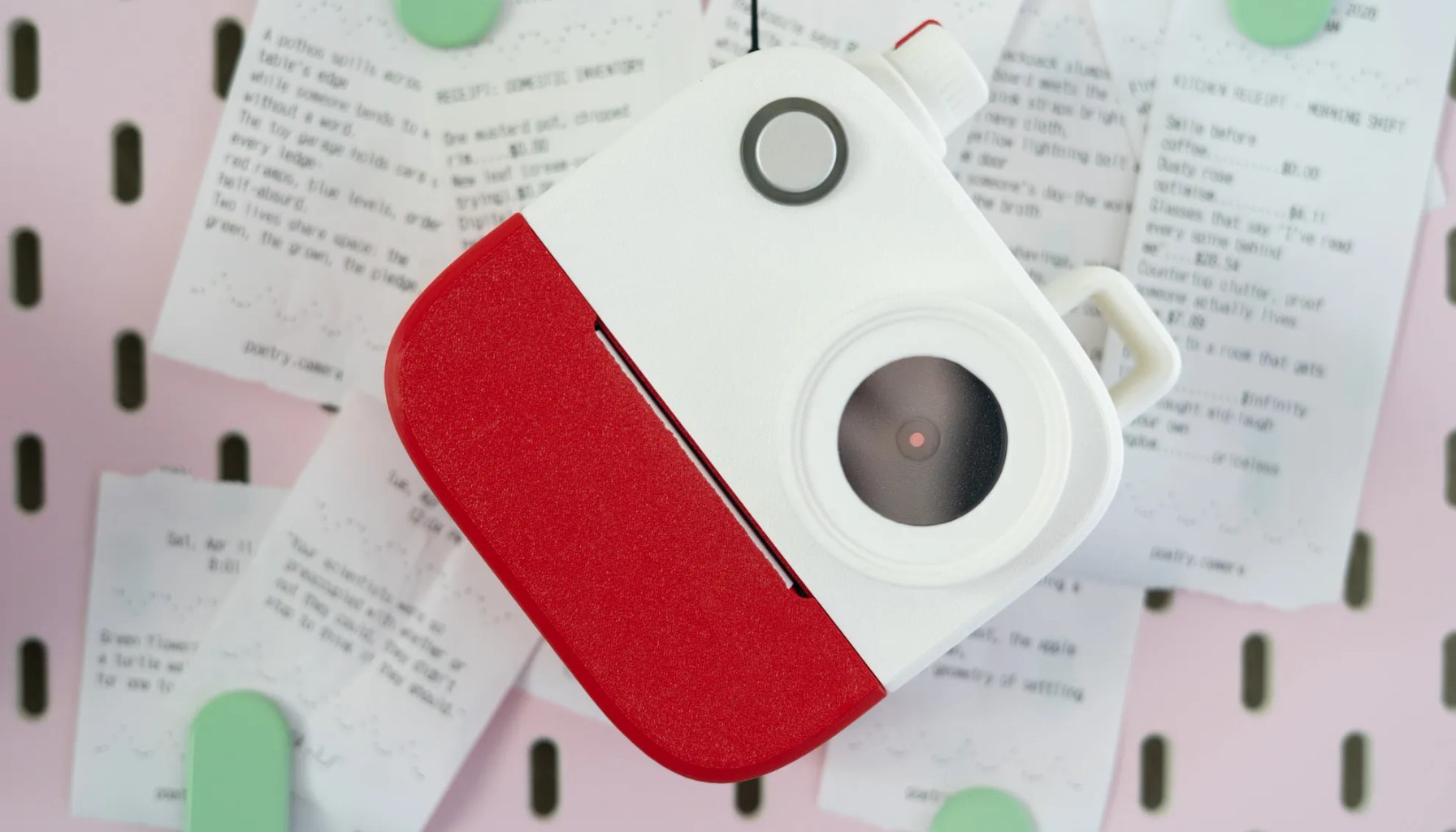
A camera that prints AI poems instead of photos is charming chaos.
The Verge’s hands-on look at the Poetry Camera centers on a white body with cherry-red accents and a color-matched woven strap, a design that screams “playful, lo-fi gadget” more than professional gear. It’s a device that asks you to do something familiar—snap a picture—and then hands you something wholly unfamiliar: an AI-generated poem inspired by the scene, printed on thermal receipt paper. The juxtaposition of familiar camera physics with a novel poetry engine is precisely what makes it feel both delightful and perplexing.
In practice, the Poetry Camera is built to deliver words rather than images. After you press the shutter, the device (or its companion app) generates a short verse and prints it in place of a photo. The reader is left scanning the poem for meaning while the device tethers you to a paper trail of verse rather than a memory you can carry in your camera roll. The effect is charming in the moment—the object itself earns the “delightful” label from the review—yet the core question lingers: what is this for?
The reviewer notes that you can print dozens of poems over a session, and the sentiment toggles between amusement and frustration as you sift through the results. The author captures a sentiment many gadget lovers will recognize: the lure of novelty can outpace practical usefulness. “I kind of wish it just took pictures,” the reviewer admits, a blunt reminder that novelty devices often overpromise utility while delivering only a surface-level experience. It’s easy to admire the whimsy—the white-and-red color scheme, the tactile charm, the laughter-inducing aspect of seeing a poem emerge from a camera’s mechanisms—but harder to justify the core function as anything more than a party trick.
Several real-world questions the Verge piece leaves unresolved are crucial for buyers. First, price and ongoing costs aren’t disclosed in the hands-on article, and those two numbers can decide whether this stays a gift or becomes a regular purchase. If the Poems print on consumables (paper, ink-like receipts) with any cadence, that cost compounds quickly for a device that’s, at heart, a toy. Second, setup time and daily practicality aren’t fleshed out; the charm feels immediate, but the friction of actually using the device for meaningful moments is less clear. Third, the device’s appeal hinges on taste: who wants AI-generated poetry from a camera rather than standard photos or printed words from a dedicated mini-printer? These gaps matter because they determine whether the Poetry Camera’s gimmick becomes a one-off gift or a repeat purchase.
From a consumer-tech perspective, the Poetry Camera sits at the edge of two trends: curiosity-driven devices that fuse AI with everyday objects, and the long arc of “new formats for memory.” The poetry concept can spark conversations about AI, authorship, and randomness, which is valuable in an era of algorithmic content. But the trade-offs are real: ongoing consumables, uncertain interpretation quality, and a utility curve that leans heavily toward novelty rather than reliability.
Who should buy? Those seeking a conversation piece, a playful gift, or a classroom demonstrator for AI’s poetry capabilities. Who should skip? Anyone seeking a dependable camera or a tangible printing solution with consistent, gallery-ready results. The obvious alternative—stick to a traditional camera or a printer that yields actual photos—offers predictability, if not whimsy.
Verdict: buy for the moment, if you crave a quirky, design-forward gadget that sparks laughs and conversations; skip if you want consistent photography or poetry that truly moves you week after week.
- This charming gadget writes bad AI poetrytheverge.com / Source role not classified / Published APR 17, 2026 / Accessed APR 17, 2026