Psychiatry AI Model Boosts Care Consistency
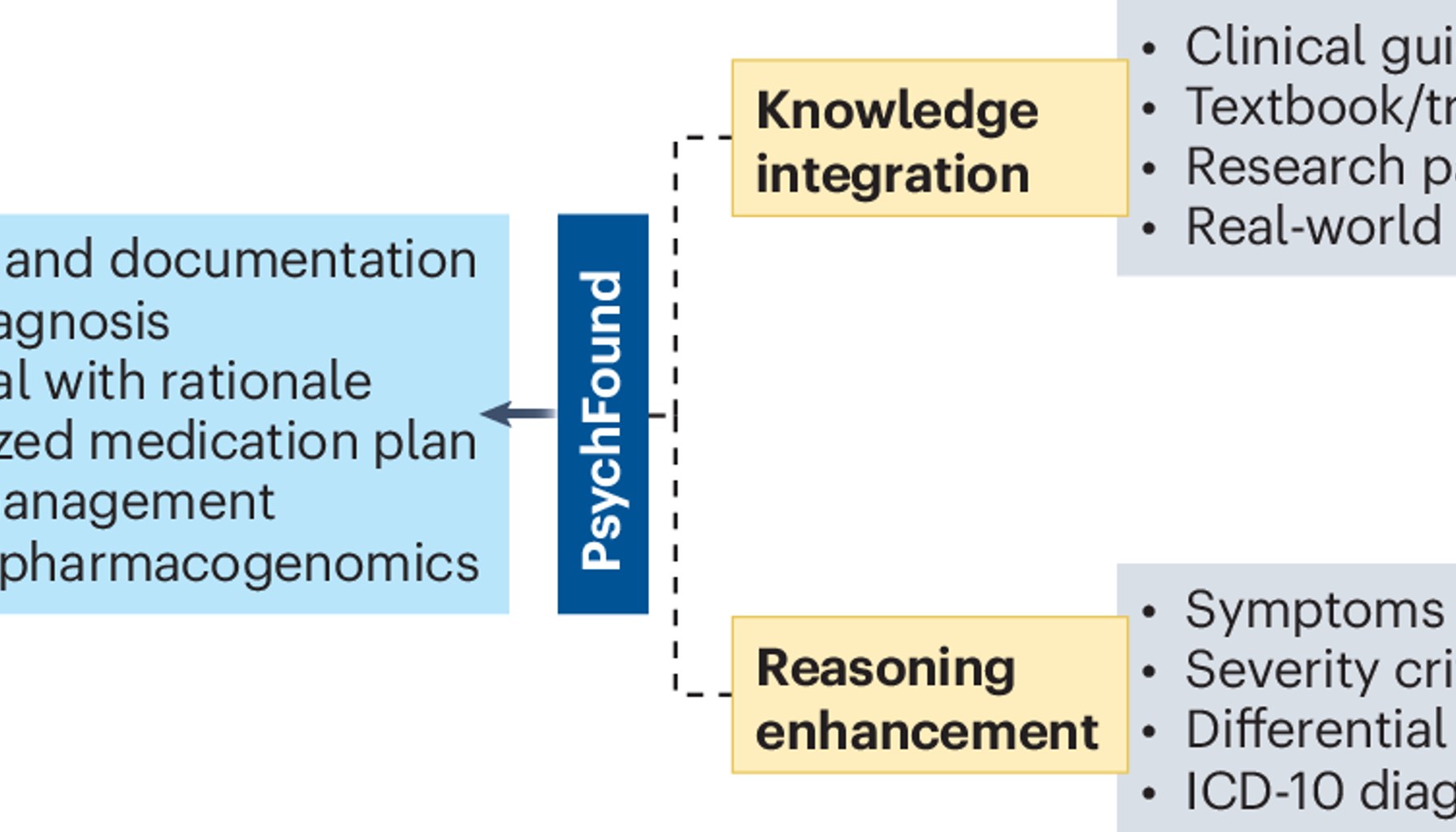
A psychiatry specific AI model promises more consistent, higher quality care.
Psychiatric care hinges on interpreting unstructured longitudinal narratives that vary wildly from patient to patient. That heterogeneity has long stymied standardization and made it hard to compare outcomes across clinics. The paper shows that a psychiatry specific large language model can help clinicians deliver more consistent, high quality care by augmenting decision making rather than replacing clinician judgment. The study, published online June 12, 2026 in Nature Machine Intelligence, emphasizes that the goal is to reduce variability while preserving the nuanced rapport clinicians rely on in complex cases.
From an engineering standpoint the finding is notable because it targets a persistent bottleneck in mental health care: the translation of messy, narrative data into reliable assessment tracks and treatment intents. The researchers argue that a domain tuned LLM can sift through longitudinal notes, interviews, and other unstructured data to surface standardized indicators, flag gaps in care, and propose evidence aligned next steps. The approach is framed as decision augmentation: a tool that supports clinicians in applying evidence consistently across diverse presentations, rather than a generic diagnostic aid.
The paper shows measurable benefits in how plans are formed and documented, which proponents say can translate into more uniform care decisions. However, the article stops short of claiming that AI will decide treatment plans on its own. Instead, it points to improved consistency in the clinical workflow, with AI assisting clinicians in recognizing patterns that might otherwise be missed or inconsistently applied. The team reports that parameter counts were not disclosed, leaving room for interpretation about model size and computational footprint. In practice, this matters for deployment: larger models can boost capability but raise latency, cost, and privacy concerns in real world clinics.
Practitioner insights for engineering teams and product leaders
In context, the study adds to a growing line of work where specialized AI tools are pitched as practice amplifiers rather than magic bullets. The claim that a psychiatry tailored LLM can reduce care variability is exciting, but it comes with the caveat that success depends on disciplined deployment. Clinicians will want to see robust external validation across sites, alongside careful monitoring of how AI-assisted decisions influence patient outcomes, engagement, and trust in care teams. If these controls hold, the approach could shift daily practice from ad hoc interpretation to more standardized, evidence aligned pathways while preserving the essential human elements of psychiatric care.
Looking ahead, the next milestones are multi site demonstrations, integration with existing electronic health record workflows, and rigorous assessments of how AI augmentation affects long term outcomes such as symptom trajectory and adherence. The promise is clear: standardize the quality of care in the messy real world without dulling the clinician’s nuanced understanding of each patient.
- Towards AI-augmented decision making in psychiatryNature Machine Intelligence / Primary source / Published JUN 11, 2026 / Accessed JUN 14, 2026