FCC’s robot vacuum crackdown won’t make your home safer
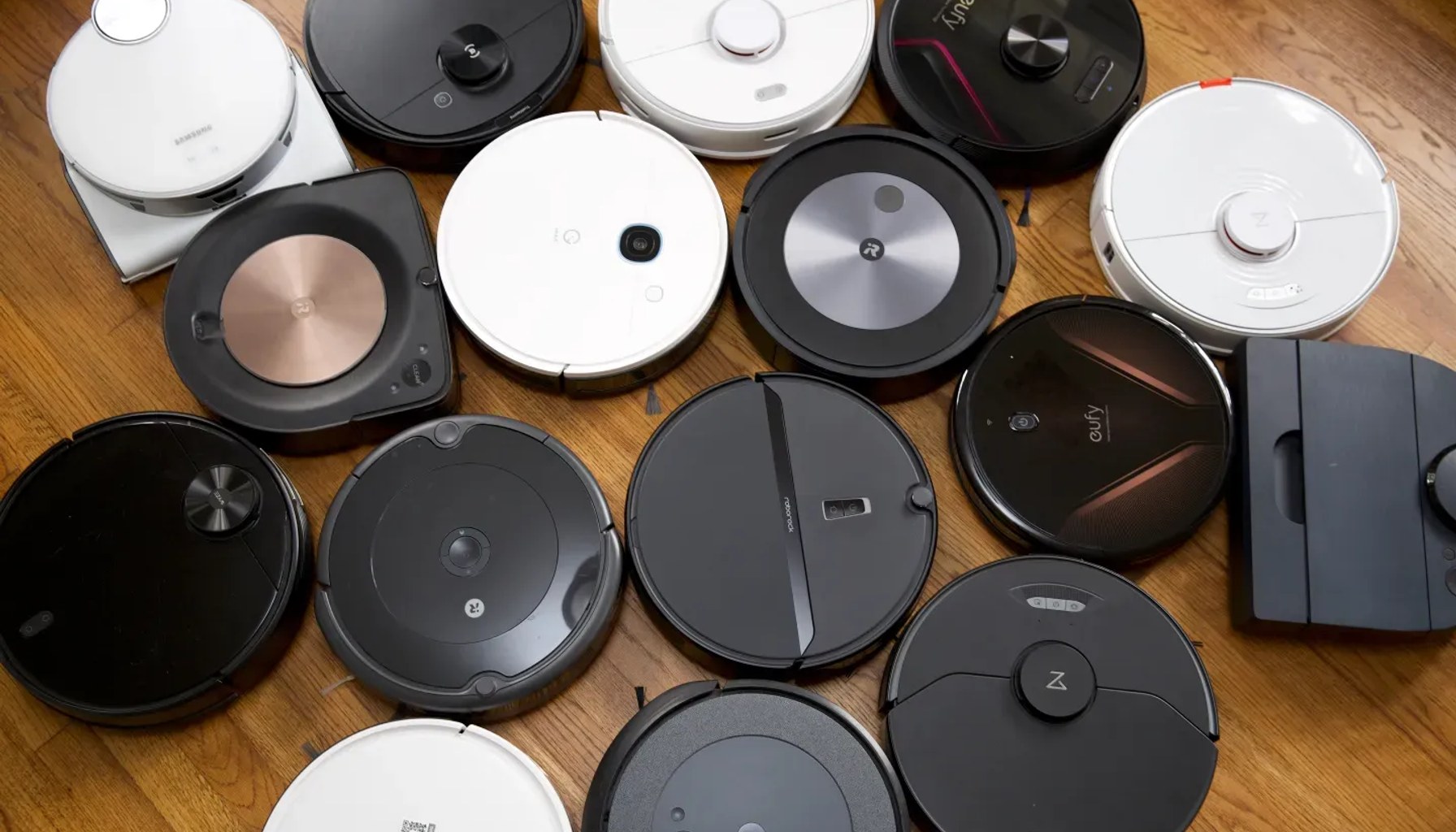
Image / theverge.com
The new rule mostly blocks future foreign-made models, not the gadgets already in your house. The catch is fewer choices, slower innovation, and higher prices.
What the FCC actually did
The Federal Communications Commission has added foreign-produced “advanced robotic devices” to its Covered List, a move that can affect new robot vacuums, robot mowers, pool-cleaning robots, delivery robots, and similar mobile devices.
The key detail for shoppers is what the policy does not do. According to the FCC’s fact sheet and reporting from CNET and Vacuum Wars, the update does not affect robot vacuums that are already on the market, already purchased, or already certified for sale in the United States. It also does not stop existing models from being sold through current retail channels.
Instead, the new restrictions target future foreign-produced models that have not yet received FCC authorization. In practice, that means a company bringing a new robot vacuum to the U.S. market may face a ban unless it qualifies for an exemption or meets the agency’s criteria.
The FCC’s language refers to “advanced robotic devices” that can move autonomously on the ground, avoid obstacles, navigate, and communicate over wireless networks. Most mainstream robot vacuums fit that description. CNET reported that the rule also likely reaches most robot lawn mowers, pool robots, and even some food delivery robots.
The real catch: this is a manufacturing rule, not a security standard
The pitch behind the FCC’s action is national security. The agency says foreign-produced advanced robotic devices can pose “unacceptable risks” to U.S. security and public safety. The concern, according to the FCC and the reporting around it, is that connected robots could collect sensitive information, be used for surveillance, or be remotely controlled by malicious actors.
But the rule does not evaluate individual products based on how secure they are. The Verge argues that’s the central flaw: cybersecurity and manufacturing are not the same thing.
That matters because robot vacuums already know a lot about your home. They map rooms, learn routines, and increasingly include cameras and microphones. The Verge notes that several major brands, including Dreame, Ecovacs, Roborock, iRobot, and Shark, have had security vulnerabilities or data breaches in the past. Those failures point to the need for stronger cybersecurity requirements, such as encrypted map storage, security audits, vulnerability disclosures, and clear data-retention policies.
The FCC rule does not impose those protections. It mainly asks where a device is made and whether it qualifies as foreign-produced. That is a much blunter tool than product-level security standards.
What shoppers will notice: fewer launches, not fewer vacuums today
For now, the immediate impact is limited. Existing robot vacuums remain legal to own and use, and current models already authorized for U.S. sale can stay on shelves. CNET says that means your current Roomba, Shark, or Roborock is not at risk from this policy.
The bigger effect comes later, if the rule holds. New models from major brands could face longer approval timelines, more paperwork, and in some cases no path to U.S. release without an exemption. Vacuum Wars says the FCC’s Covered List effectively prevents new foreign-produced models from entering the market unless they qualify for that exemption.
That’s where the shopper pain starts. Fewer new launches usually mean fewer choices and less pressure on prices. The Verge says Americans should expect slower innovation and more expensive robot vacuums. If the market loses access to the next generation of products, the category could become more stagnant just as robot vacuums are improving quickly.
The Verge also points out that this will not make the millions of robot vacuums already in U.S. homes any safer. If the goal is to reduce risk, leaving the installed base untouched while blocking future models is an odd way to do it.
What it means for brands like iRobot, Roborock, and Narwal
The companies most likely to feel the pressure are the ones planning future launches in the U.S. CNET reported that Roborock does not expect a short-term impact on its current lineup and said products sold through U.S. channels still meet certification requirements. Narwal said its current lineup is not impacted and that existing U.S. models remain certified, supported, and available at retail.
iRobot could face a trickier path. CNET notes that the company still sees itself as an American brand and is headquartered in the United States, but its recent acquisition by Chinese supplier Picea may complicate future Roomba releases if the FCC rule stays in place without an exemption. iRobot said it is working with the FCC to understand the policy and its impact.
The Verge adds that the policy is sweeping enough to cover more than just robot vacuums, and it compares the move to the FCC’s recent restrictions on Wi-Fi routers and drones. Those earlier rules have already seen waivers, which raises a practical question: how consistently will this new policy be enforced, and who gets exceptions?
That uncertainty matters because a rule with broad exemptions can become a lobbying contest rather than a security upgrade.
The price angle: domestic assembly is not cheap
If the FCC’s intent is to encourage U.S. manufacturing, the cost implications are easy to see. The Verge says Matic, the only robot vacuum currently assembled in the U.S., still relies heavily on imported parts and is raising its price to $1,495 in September. That is a long way from the roughly $300 robot vacuum buyers can find at Walmart.
That gap is the ownership-cost story shoppers should care about. If the rule narrows the field of eligible imports, U.S. consumers may end up with pricier models and fewer budget options. Even if domestic production grows over time, it is not ready to replace the low-cost segment today.
And that makes the policy tradeoff clearer: the FCC may be trying to strengthen supply chains, but the near-term result could be a weaker value proposition for consumers.
Buy, wait, or skip?
Buy: if you need a robot vacuum now, current models are still available and unaffected. Existing units and authorized current stock remain in the market.
Wait: if you were hoping to see a wave of new models, better features, or sharper pricing, hold off if you can. The rule could reduce future competition and slow product launches.
Skip: the blanket policy itself. On the evidence so far, this is not a meaningful security fix. It does not set product-level privacy standards, and it does not clean up the risks already sitting in American homes.
For comparison shoppers, the bottom line is simple: the FCC action may reshape the market, but it does not solve the security problem it points to. The result could be fewer choices and higher prices, not safer robot vacuums.
- The ban on robot vacuums won’t make them safer, only worsetheverge.com / Mainstream / Published JUL 31, 2026 / Accessed AUG 01, 2026
- The FCC Just Banned Most Robot Vacuums. Here's What That Means - CNETcnet.com / Mainstream / Published JUL 30, 2026 / Accessed AUG 01, 2026
- FCC Restricts Future Foreign-Made Robot Vacuums, Existing Models Unaffectedvacuumwars.com / Mainstream / Published JUL 30, 2026 / Accessed AUG 01, 2026