Solar geoengineering moves from simulations to the shop floor
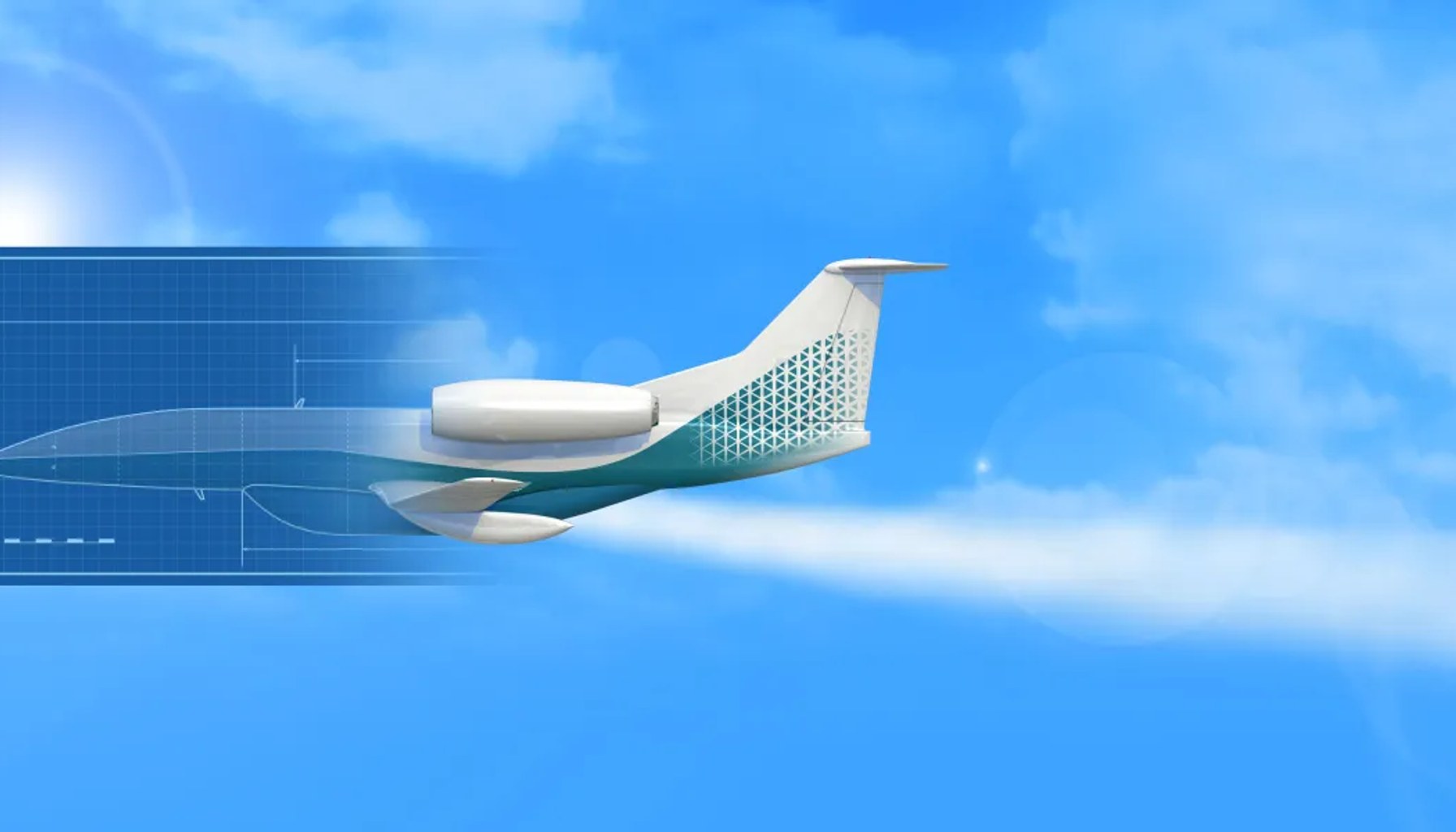
Image / MIT Technology Review
Solar geoengineering is moving from simulations to shop-floor engineering. The team reports that researchers are now designing and testing aircraft, materials, and other systems for solar geoengineering, not just running models. But the piece cautions that even early deployment would require significant new infrastructure, time, and investment, turning a once purely theoretical idea into a sizable engineering program.
The Download frames the shift as a reality check rather than a retreat from ambition. As researchers push beyond computer models, they must tackle the hard logistics of turning papers into planes, sensors, and maintenance regimes that could actually operate in the real world. The paper shows that the jump from concept to field-ready hardware involves a cascade of interdependent systems, from flight-ready airframes to durable materials and the back-end facilities that support testing, deployment, and monitoring.
Because the enterprise sits at the intersection of climate science and industrial scale engineering, several constraints rise to the top. The first is scale: what would be needed to deliver a measurable effect on global temperatures is not a handful of devices but a coordinated, multi-component operation. The second is timing: the pipeline from idea to flight can span years, with each phase of development extending the lead times for any real deployment. The third is investment: the project would require funds not only for hardware but for the infrastructure, personnel, and governance frameworks that keep such a program running over the long horizons involved in climate intervention research.
For practitioners, the implications are concrete. First, the constraint lens matters: engineering teams must treat solar geoengineering as an systems problem, not a single gadget and expect to juggle multiple subsystems in concert. Second, the tradeoffs are real: funding, risk tolerance, and scheduling must align, otherwise progress stalls or moves too slowly to inform policy. Third, the what-next is clarifying: progress will hinge on demonstrated advances in the relevant aircraft, materials, and supporting infrastructure, plus the ability to test and iterate safely at increasing scales. Finally, there is a natural caution around failure modes in early stages: even small reliability gaps or misaligned deployment could undermine objectives or trigger unintended results, underscoring why the engineering path is as important as the concept itself.
In short, the latest installment from The Download is less a verdict on solar geoengineering and more a map of the heavy lifting ahead. The engineering constraint is stark: moving from simulations to deployable systems demands an entire ecosystem of aircraft, materials, facilities, and workflows. The good news is that researchers are making tangible headway, and the next few years will reveal whether the theory can translate into robust, scalable hardware and the governance and funding structures that would shepherd it from paper to practice.
- The Download: a reality check for geoengineering and the science of interoceptionMIT Technology Review / Mainstream / Published JUN 17, 2026 / Accessed JUN 18, 2026