Spirit seeks bailout amid fuel-price shock
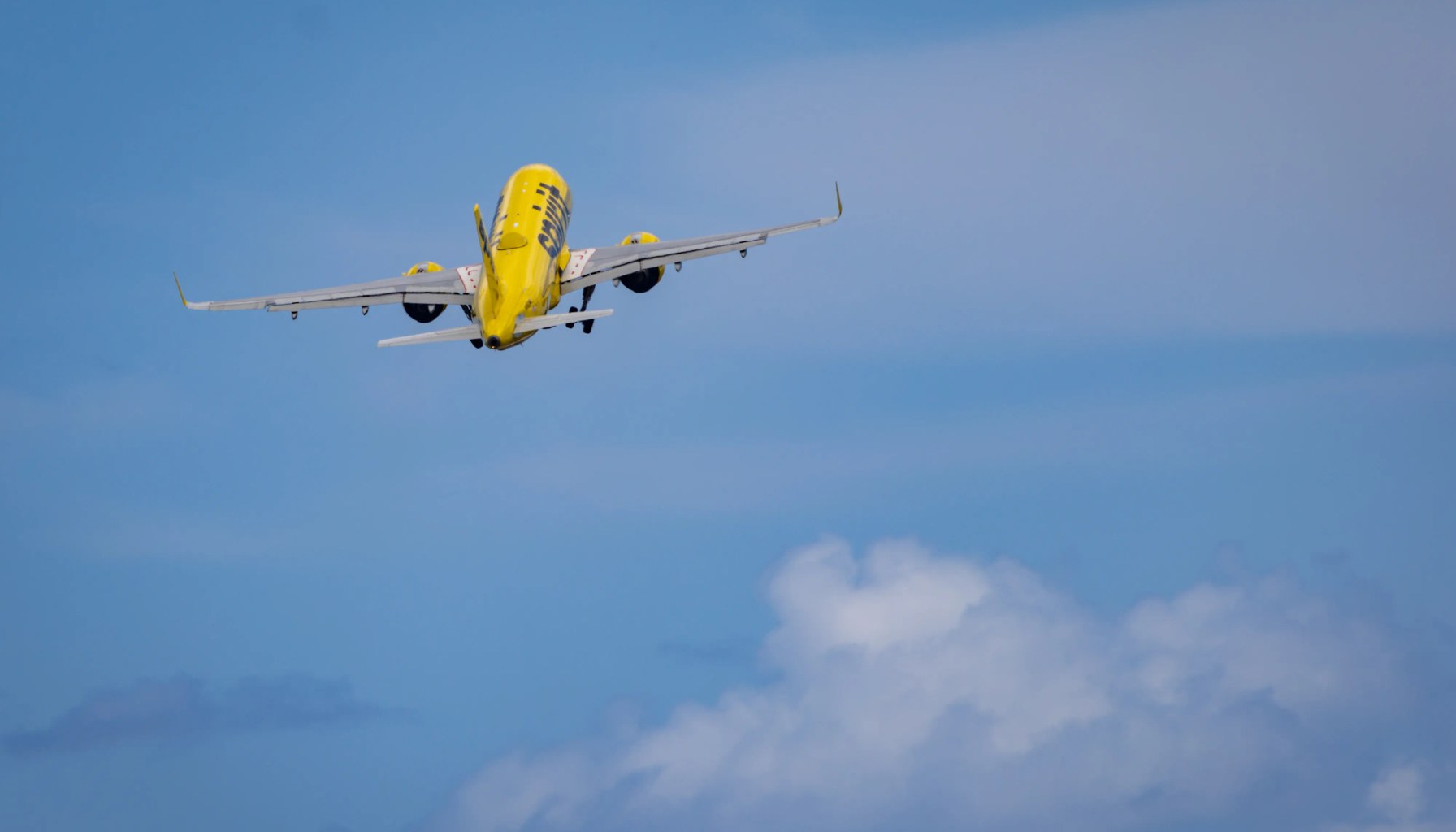
Spirit Airlines just asked Washington for a bailout. The ultra-low-cost carrier, the country’s seventh-largest by revenue passenger miles, has been a chronic underperformer for years—posting no profit since 2019 and weathering two bankruptcy filings in the past 24 months—yet its leadership still cast a hopeful line that it could emerge from Chapter 11 and return to profitability as soon as 2027. The request for federal aid arrives as a sharp spike in fuel costs, tied to international tensions, adds an estimated $360 million in unexpected expenses that could widen the losses Spirit has racked up in recent quarters.
In hands-on assessments, industry observers say Spirit’s predicament isn’t merely about a single bad year of fuel bills. The airline’s entire business model—rock-bottom base fares, heavy reliance on ancillary revenue, and minimal frills—makes it especially vulnerable to outsized cost shocks and financing squeezes. Spirit’s bankruptcy filings over the last two years underscored a broader fragility among ultra-low-cost carriers (ULCCs) that operate on tight margins and lean fleets. If the carrier cannot ride out the current fuel surge and any lingering post-pandemic demand volatility, the bailout becomes less a lifeline and more a rite of survival for a model that has always traded on price and complexity.
Industry watchers note several consequential dynamics at play. First, fuel has always been the single biggest variable for ULCCs, and even flames of rising oil prices may not be extinguished easily by price hikes alone. Airlines can push some of those costs onto passengers through bag fees, seat charges, and other add-ons—but there’s a ceiling to what price-sensitive travelers will bear before demand softens. Second, bankruptcy exits for carriers with thin balance sheets hinge on restoring access to capital, renegotiating leases, and delivering credible improvement plans—conditions that often accompany government support. A bailout would almost certainly come with strings: oversight, restructuring milestones, and possibly concessions on labor or route structure aimed at stabilizing cash flow.
Practical takeaway for travelers is mixed. On one hand, Spirit’s survival could preserve extremely low base fares in some markets; on the other, the financial pressure driving a bailout might push the company to reevaluate routes or cut back on capacity, which could ironically reduce flight options or reliability in the near term. More broadly, the current moment highlights a toxic mix for passengers who have learned to tolerate basic operations at “cheap” prices, only to face new fees, service interruptions, or changes in flight schedules if the carrier’s finances remain precarious.
Industry insight: the bailout debate reflects a longer arc about what consumers should expect from ULCCs going forward. If Spirit remains in the public eye mainly for cost-cutting and bailout terms, the model’s credibility hinges on transparent pricing, predictable schedules, and a credible plan to regain profitability without eroding basic safety and reliability. Practical takeaway for policy and industry observers: watch for the conditions attached to any rescue—will there be forced fleet renewal, labor concessions, or limits on growth that could shape ULCC competition for years?
What to watch next is straightforward: the terms of any federal rescue, whether Spirit can stabilize cash flow without compromising safety or service, and how this episode reshapes the competitive landscape among ultra-low-cost carriers, including potential implications for fares and ancillary revenue strategies.
- Spirit is brokentheverge.com / Source role not classified / Published APR 23, 2026 / Accessed APR 23, 2026