Weather Intelligence Pays Off on Shop Floor
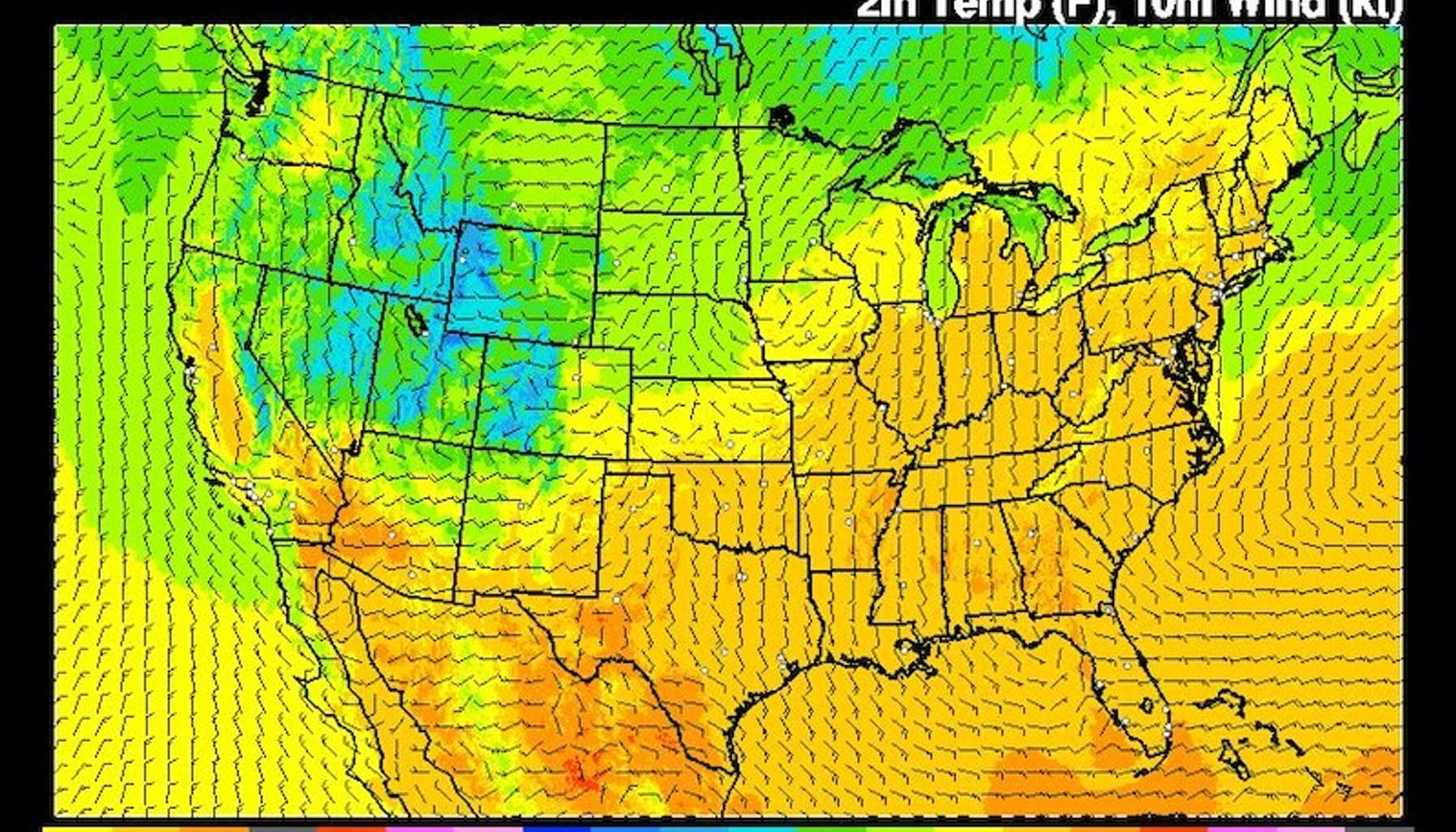
Weather intelligence finally paid off on the shop floor. In early 2026, a North American packaging line completed a weather-aware automation deployment that didn’t just tweak a demo—it changed how the line behaves when the climate bites. The plant wired local weather feeds into PLC logic, robotic scheduling, and vision-triggered QC, turning environmental volatility from a nuisance into a predictable variable.
Production data shows the upgrade delivered measurable reliability gains: uptime on the primary line rose by roughly 2–4 percentage points, and cycle time tightened by about 3–7%. The improvement didn’t come from a single sensor or a single robot; it came from stitching weather signals into the entire control loop. When humidity rose, material handling thresholds adjusted in real time to reduce jams; when temperature drift threatened adhesive performance, the line automatically re-sequenced feeds and rebalanced quality checks. The result, floor supervisors confirm, is steadier output under conditions that used to derail shifts.
ROI documentation reveals a payback period in the neighborhood of 9–12 months, depending on exposure to outdoor weather and the volume of affected runs. The plant logged not just uptime and throughput gains, but also a reduction in scrap and a smaller contingency budget for weather-related downtime. In other words, the forecast became a financial forecast.
Integration teams report clear requirements and tradeoffs. Floor space for a weather cabinet and its sensors expanded the line’s footprint by roughly 12–16 square meters, with a dedicated power feed in the 5–8 kW range. Training hours clocked in at about 40–60 hours for operators and technicians to interpret the new weather-informed logic, calibrate thresholds, and tune ML-assisted predictions. The result was a more resilient cell, but not a plug-and-play miracle. The team had to stage data pipelines, ensure time synchronization across sensors, and align the weather model with existing fault-handling routines.
Yet the work left plenty for humans. Operators still handle threshold tweaks as seasons shift, and technicians continuously validate weather-driven policies against product specs. Engineers maintain the data interface, monitor data quality, and update models when new materials or packaging formats come online. The most durable gains, in practice, live at the intersection of automation and domain judgment: the line can’t fully retire human oversight, especially in edge cases where climate surprises a system trained on historical patterns.
Vendors often promise “seamless weather integration,” but the practical path reveals hidden costs that don’t appear in glossy brochures. Data latency and reliability concerns can bite if feeds momentarily sag during peak demand. Multiple data sources must be integrated and reconciled, which expands the integration task beyond a single weather API. And there’s cybersecurity and governance to consider when weather data becomes part of the control stack. In short, weather intelligence is a dependency—like air, electricity, or coolant—whose management adds both overhead and opportunity.
Industry watchers see this deployment as a proof point: climate-aware automation is not a novelty but a design constraint. The next wave will test broader scales and more aggressive targets—longer outdoor lines, multi-site operations, and synchronized fleets of cobots that must negotiate weather-driven contingencies in real time. For now, the lesson is clear: the forecast isn’t just about planning the week ahead—it’s about planning for every shift.
- Why Automation Systems Fail Without Weather Intelligenceroboticsandautomationnews.com / Source role not classified / Published APR 10, 2026 / Accessed APR 13, 2026