Weather Intelligence Shapes Automation Reliability
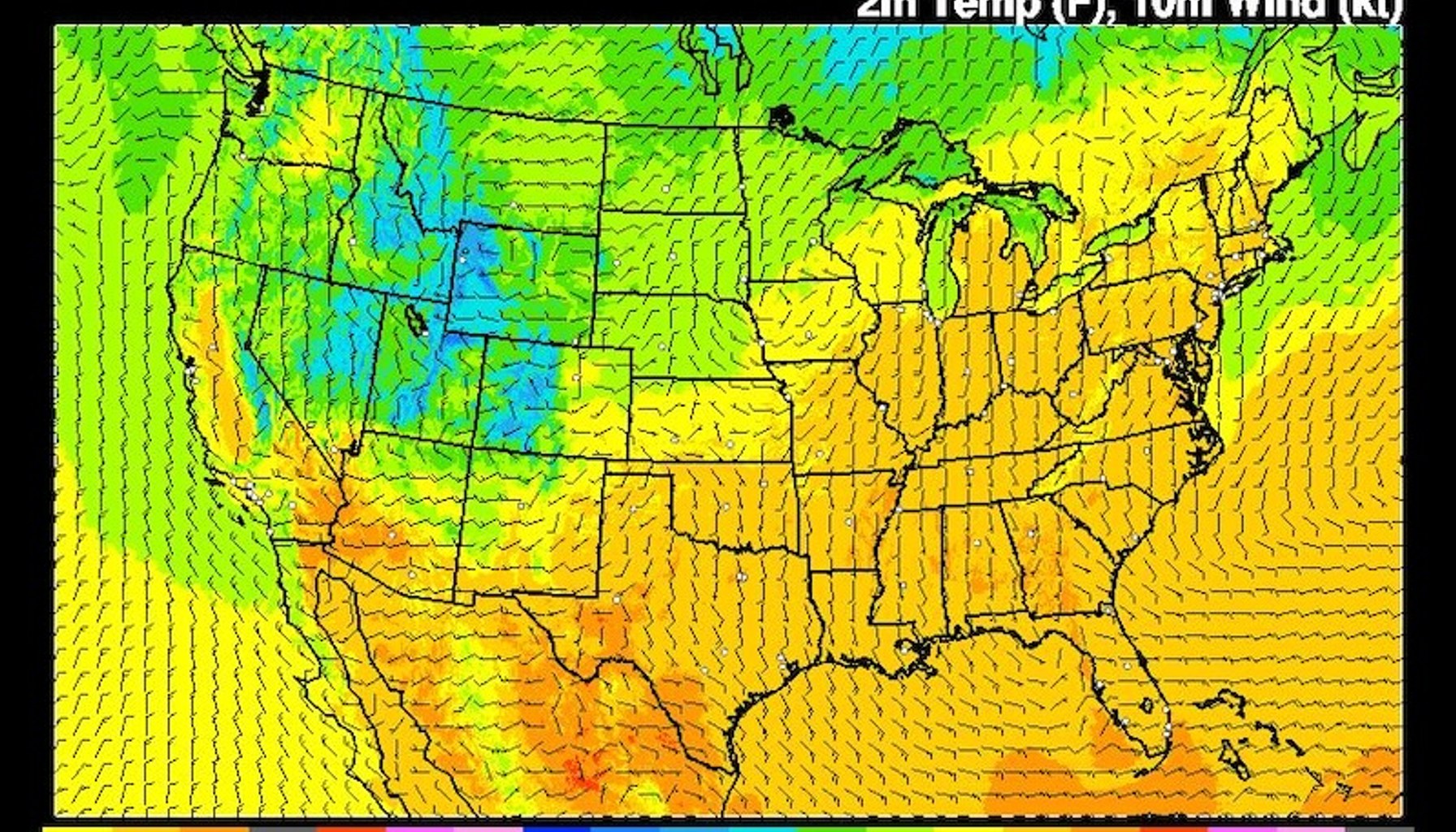
Weather is quietly determining whether your automation actually runs. A new wave of deployments hinges on weather data, and plants that ignore it see drift, downtime, and surprise stops.
Automation systems are built for precision and minimal human fuss, yet weather injects a volatile variable that can chew through planned performance. The Robotics and Automation News piece argues that the hidden dependency isn’t a stray sensor glitch or a faulty camera—it’s the absence of weather intelligence woven into the control loop. Integration teams report that systems optimized in climate-controlled tests collapse or misread inputs when rain, humidity, dust storms, or glare intrude on the line. Floor supervisors confirm that even robust cobots and PLC-driven cells stall when environmental conditions stray from the model used in commissioning. Production data shows a clear link between weather conditions and unplanned downtime in exposed or semi-enclosed zones, a reality only amplified as lines push toward higher speeds and tighter tolerances.
The core of the argument is simple: weather conditions affect everything that industrial automation touches. Temperature swings can alter lubrication viscosity and gearbox clearances; humidity can drift sensor baselines and corrode connectors; wind and dust alter lidar and vision performance; precipitation can fog enclosures and slow heat dissipation in motor drives. These effects aren’t always dramatic, but they accumulate. Integration teams report that a plant may run a flawless trial under dry-season testing, only to stumble once the monsoon returns or the night shift hits cooler, more humid conditions. The result is a reliability gap between planned throughput and real-world performance.
To close that gap, plant operators are compelled to rethink deployment architecture. The weather variable must be fed into the automation stack, not left on a dashboard for the next maintenance cycle. Floor space under weather-protected enclosures, robust weather-rated power feeds, and training hours dedicated to weather-aware operation are increasingly treated as non-negotiables. ROI documentation reveals that the value of weather intelligence shows up in steadier cycle times and fewer disruptive stops, especially in lines with outdoor or semi-outdoor exposure. Operational metrics show that when weather data drives calibration and fault-avoidance routines, teams report fewer mid-shift alarms and smoother handoffs between shifts.
From a practitioner standpoint, several concrete realities emerge. First, weather data must be integrated into the control loop, not siloed in a separate analytics page—otherwise the automation won’t react fast enough to changing conditions. Second, a weather-aware architecture benefits from edge sensors, local weather feeds, and a digital twin that can simulate how a condition like fog or humidity will influence perception and actuation in real time. Third, there are hidden costs vendors don’t advertise upfront: ongoing data subscriptions, weatherproofing enclosures, periodic sensor recalibration, and expanded training for operators who must interpret weather-adjusted dashboards. Finally, the business case for weather intelligence is stronger in plants facing variable climates or outdoor exposure; in controlled environments, the ROI may be more modest but still meaningful in the form of reduced rework and more predictable throughput.
The turning point, according to industry observers, is less a dramatic breakthrough and more a disciplined embrace of a variable many overlook: weather. When plants embed weather intelligence into their automation stack, the line between “the demo” and “the deployment” finally shrinks, and reliability becomes a feature, not a fallback.
- Why Automation Systems Fail Without Weather Intelligenceroboticsandautomationnews.com / Source role not classified / Published APR 10, 2026 / Accessed APR 12, 2026