What we’re watching next in humanoids
By Sophia Chen
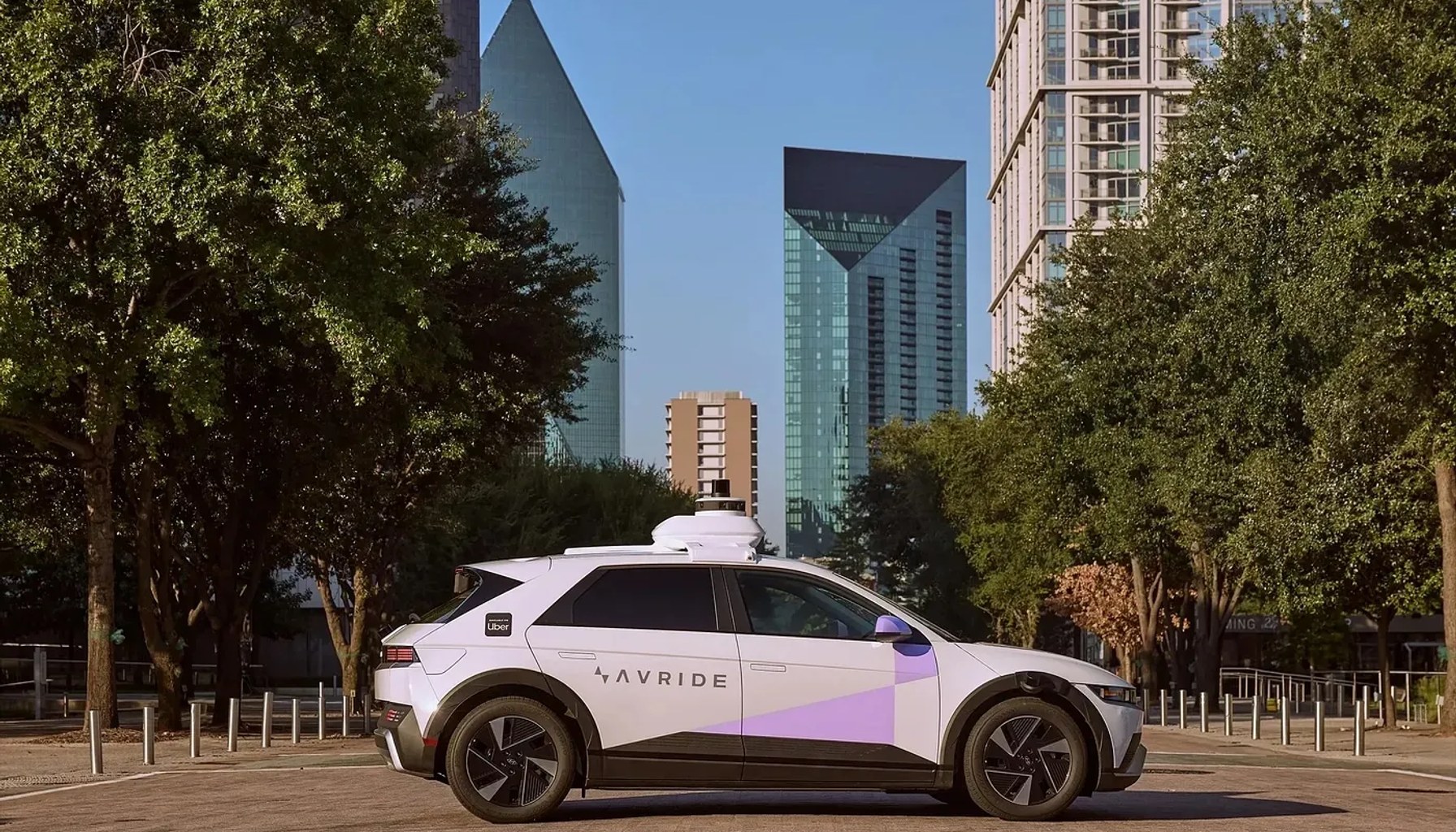
Image / techcrunch.com
A self-driving Avride car in Austin killed a mother duck, sparking neighborhood outrage.
The incident, reported by TechCrunch on April 8, 2026, places a blunt spotlight on how autonomous driving systems handle edge-case wildlife encounters in real urban environments. An Avride autonomous vehicle near Austin hit the duck, and a witness described the moment as “steamrolled right through” with no perceptible deceleration. The reaction from residents has been swift and sharp, highlighting a broader tension between flashy demos and the messy realities of field operation.
From a practitioner’s lens, this is not a one-off moral fable about cute animals and safety cameras. It’s a data point about the reliability boundaries of perception, prediction, and planning modules when confronted with unpredictable, non-human road users. AV stacks rely on sensor fusion—cameras, lidar, radar, and sometimes sonar—paired with predictive models that forecast trajectories of obstacles. Animals, unlike vehicles or pedestrians, don’t always present predictable, legally defined movements, which makes a fast, correct decision particularly difficult in tight urban corridors. If the system detects a duck but classifies it as something non-threatening, or if the planning module prioritizes a smoother drive over a conservative brake when risk is ambiguous, a tragedy like this can slip through the cracks.
The backlash underscores a painful but real fact: public trust in autonomous systems hinges on reproducible safety in the wild, not on glossy demo reels. In the moment-to-moment calculus of an AV, a decision to brake might cause a different crash, or affect riders, other traffic, or nearby pedestrians. Observers are understandably quick to demand “what happened, exactly?” and to scrutinize whether the vehicle performed as intended or merely followed a pre-programmed risk tolerance. This is a wake-up call about edge cases that do not resemble the clean, choreographed tests seen in showrooms or on staged urban campuses.
There are concrete implications for the industry. First, wildlife encounters require tighter, possibly more conservative, behavior policies in zones with known animal activity and at times when animals are more likely to appear. Second, incident data need faster, more transparent access for regulators, watchdogs, and communities to understand why a car didn’t slow, and what a safer alternative would have looked like under similar conditions. Third, this event will feed into ongoing debates about hardware redundancy and sensor reliability—could a different mix of sensors or more robust anomaly detection reduce the chance of misclassification in the future?
In the broader arc of autonomous systems, this incident remains a reminder: field readiness is not a binary state but a spectrum of capability under real-world pressure. It also serves as a practical reminder that the next wave of humanoid-scale autonomy—whether on four wheels or two—must grapple with unpredictable living beings in shared spaces, not just the predictable human actors.
What we’re watching next in humanoids
Sources
Newsletter
The Robotics Briefing
Weekly intelligence on automation, regulation, and investment trends - crafted for operators, researchers, and policy leaders.
No spam. Unsubscribe anytime. Read our privacy policy for details.