Accenture Bets on AI-Powered Robotics with General Robotics
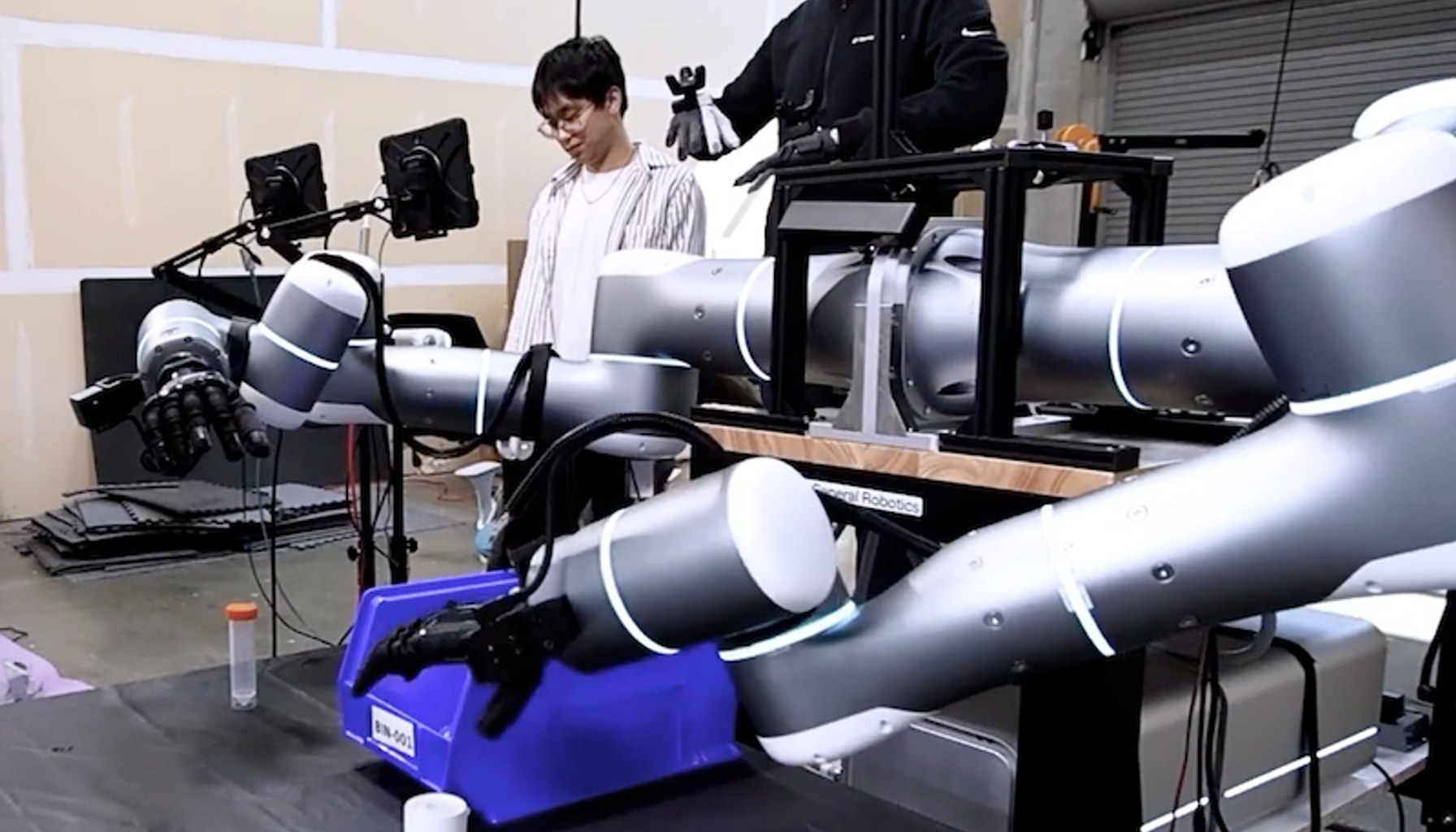
Accenture Ventures is putting real capital behind a future where factory floors run on AI-native robots, announcing an investment in General Robotics on April 15, 2026, and a plan to co-develop deployments in manufacturing and logistics.
General Robotics pitches itself as a general-purpose robotic intelligence platform: a system that lets organizations rapidly deploy and continually adapt robots of any form, with any AI, for any task. In plain terms, it’s a software brain that can sit behind different hardware—from cobots to industrial arms—and flex its capabilities as needs change. The pitch is seductive for plants facing multi-skill labor gaps, shifting product mixes, and the constant pressure to improve cycle time without courting a new robot-silicon stack every time.
From Accenture’s vantage, the investment aligns with a broader push to blend consulting-grade process insight with AI-native automation. The partnership is framed as a route to shorten the time from proof-of-concept to production, turning “seamless integration” from a vendor marketing line into a working reality on the line. Production data in related moves show that large-scale automation rarely fails for lack of clever software; it fails when the software can’t talk to the factory’s control systems, data historians, and MES—the real “integration tax” that budgets often underestimate.
Industry observers expect this to accelerate two long-running trends on the floor: the need for adaptable automation that can pivot with product mix and the demand for better-skilled, AI-literate operators who can train and supervise evolving robotic tasks. The General Robotics proposition—robots that can be repurposed or re-trained quickly, across tasks, without swapping hardware—speaks directly to that pain point. The question many floor managers will ask is not whether the AI can teach a new trick, but how the integration work will unfold in a live line, with line changes, downtime, and change management overhead already budgeted.
Integration teams report that the real work begins after the demo: translating a vendor’s promise into a reliable production cell. On the floor, that means aligning the AI brain with PLCs, MES data streams, and machine vision systems, while satisfying security, uptime, and maintenance requirements. Operators will need training hours to not only run the robot but to understand when the AI is drifting, when to re-train it, and how to troubleshoot edge cases—things a teach pendant can’t instantly replace. In practice, the learning curve isn’t conquered in a few days; it’s a multi-week process of tuning perception, control, and feedback loops so that the automation behaves consistently across shifts and product changes.
For CFOs and operations leaders, the key remains in the numbers that live beyond glossy demonstrations: cycle times, throughput, and the true payback period once integration overhead is accounted for. The Accenture-General Robotics tie-up signals a shift toward broader, real-world deployments rather than standalone pilots. ROI documentation will hinge on tangible integration milestones, training plans, and the speed with which AI capabilities can be adapted to new tasks without a full hardware refresh.
Two-pronged practitioner insights to watch:
In short, the deal isn’t about a single robot; it’s about a scalable approach to flexible automation that scales with product variety and labor constraints. If the integration teams can keep the line stable while the AI learns, this could be a notable step toward measurable on-floor agility.
- Accenture invests in General Robotics to advance physical AI-powered robotics in manufacturing and logisticsroboticsandautomationnews.com / Source role not classified / Published APR 15, 2026 / Accessed APR 16, 2026