Alibaba Debuts Wan2.7-Video, End-to-End AI Workflows
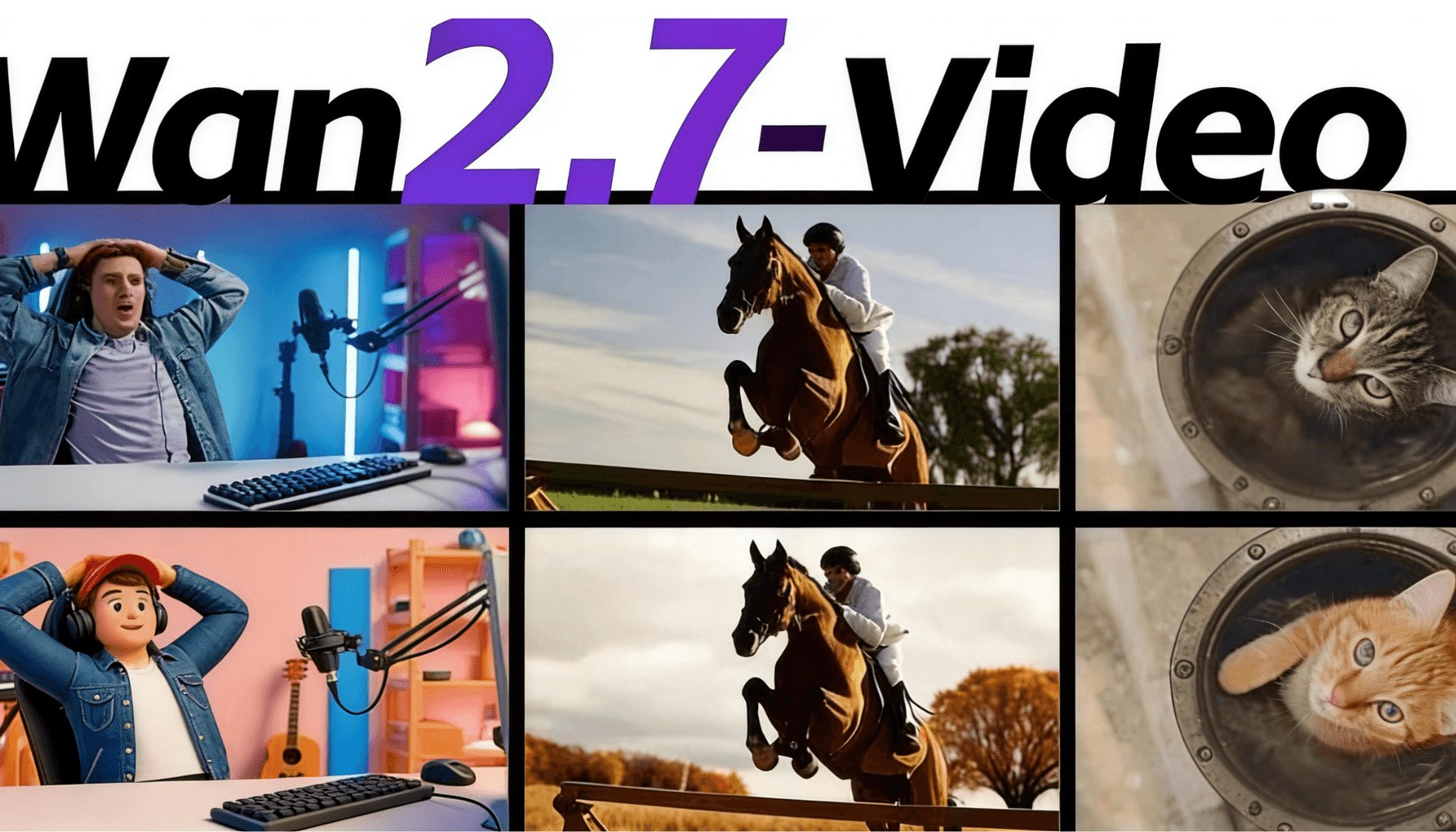
One sentence edits a full video, lighting and all.
Alibaba has rolled out Wan2.7-Video, an upgraded AI video model suite that maps the entire creative workflow—from text-to-video (文本到视频) to image-to-video (图像到视频), plus reference-based generation and video editing—into a single end-to-end tool. The Mandarin-language reporting indicates the system is designed to move beyond generating a single asset toward delivering finished, production-ready content. Wan2.7-Video can edit a clip with a single sentence, automatically preserving lighting, shadows, and textures across edits; it accepts multiple image inputs and adds a built-in mechanism for continuing a video and controlling the exact end frame. The platform supports multimodal references (up to five subject inputs), enabling tighter alignment with provided cues. For cinematography, short text prompts can generate scripts, plan shots, and adjust scene composition; color grading and lighting can adapt to different film genres. Editing feels as intuitive as photo edits, with localized adjustments that blend seamlessly into the source footage, preserving motion and material consistency when objects are added, removed, or replaced. The ability to preserve character movement while transforming environments—think shifting a summer into late autumn—speaks to a level of continuity that used to require a lengthy post-production pass.
The four-core capabilities signal a shift in China’s AI video ambitions: move from single-asset generation to end-to-end production pipelines that can, in theory, support advertising, e-commerce, and media content within a single cloud-enabled tool. This is not just a novelty trick; it embeds AI into the core of creative workflows, reducing the need to stitch together disparate tools. The new suite sits within Alibaba’s broader AI and cloud ecosystem, aligning generation, editing, and multi-input references under one umbrella. While the Pandaily report does not disclose integration details, the design hints at tight coupling with Alibaba Cloud’s compute and storage layers, enabling scalable production for Chinese marketers and media teams that want faster turnarounds without sacrificing consistency.
Industry observers will watch how Wan2.7-Video translates into real-world throughput. Chinese regulators and policy makers have emphasized AI productivity gains in domestic tech sectors, and private players like Alibaba—a private-sector powerhouse with deep ties to state-facing policy objectives—are advancing capabilities that could reshape in-house content studios. The ability to generate scripts and shot plans from text prompts, and to tailor visuals by genre, also raises questions about content governance and authenticity—issues that Beijing increasingly flags as critical as AI capabilities mature.
Two practitioner-level takeaways stand out. First, Wan2.7-Video could materially shrink post-production timelines for marketing and product videos, especially where synchronized lighting and motion must be preserved across edits and variants. The defense against drift—continuity across frames and attributes—will hinge on robust data governance and watermarking to prevent misrepresentation. Second, the multimodal-reference feature—up to five inputs—places a premium on curation. Brands will need disciplined assets to guide the model, or risk creative drift, inconsistent branding, or copyright concerns if source materials aren’t properly licensed. Third, the workflow implications for Alibaba’s ecosystem are notable: if Wan2.7-Video can be plugged into cloud-based content pipelines, advertisers could generate multiple language and region variations at scale, while keeping production costs predictable. Finally, for global manufacturers and suppliers who rely on Chinese content teams for product storytelling, Wan2.7-Video could become a standard-aid option—though uptake will depend on cross-border data policies, IP clarifications, and the ability to export compliant, ready-to-distribute video in multiple markets.
In short, Wan2.7-Video signals Beijing-backed momentum to turn AI video generation into production-grade capability. It’s not just a flashy demo; it’s a blueprint for end-to-end creative automation that could redefine how Chinese brands, and potentially global partners, produce dynamic media at scale—if the governance, cost, and quality controls keep pace with the ambition.
- Alibaba Unveils Wan2.7-Video, Expanding AI Video Generation to Full Creative Workflowspandaily.com / Source role not classified / Published APR 07, 2026 / Accessed APR 08, 2026