Automation is Not Optional for UK Manufacturing
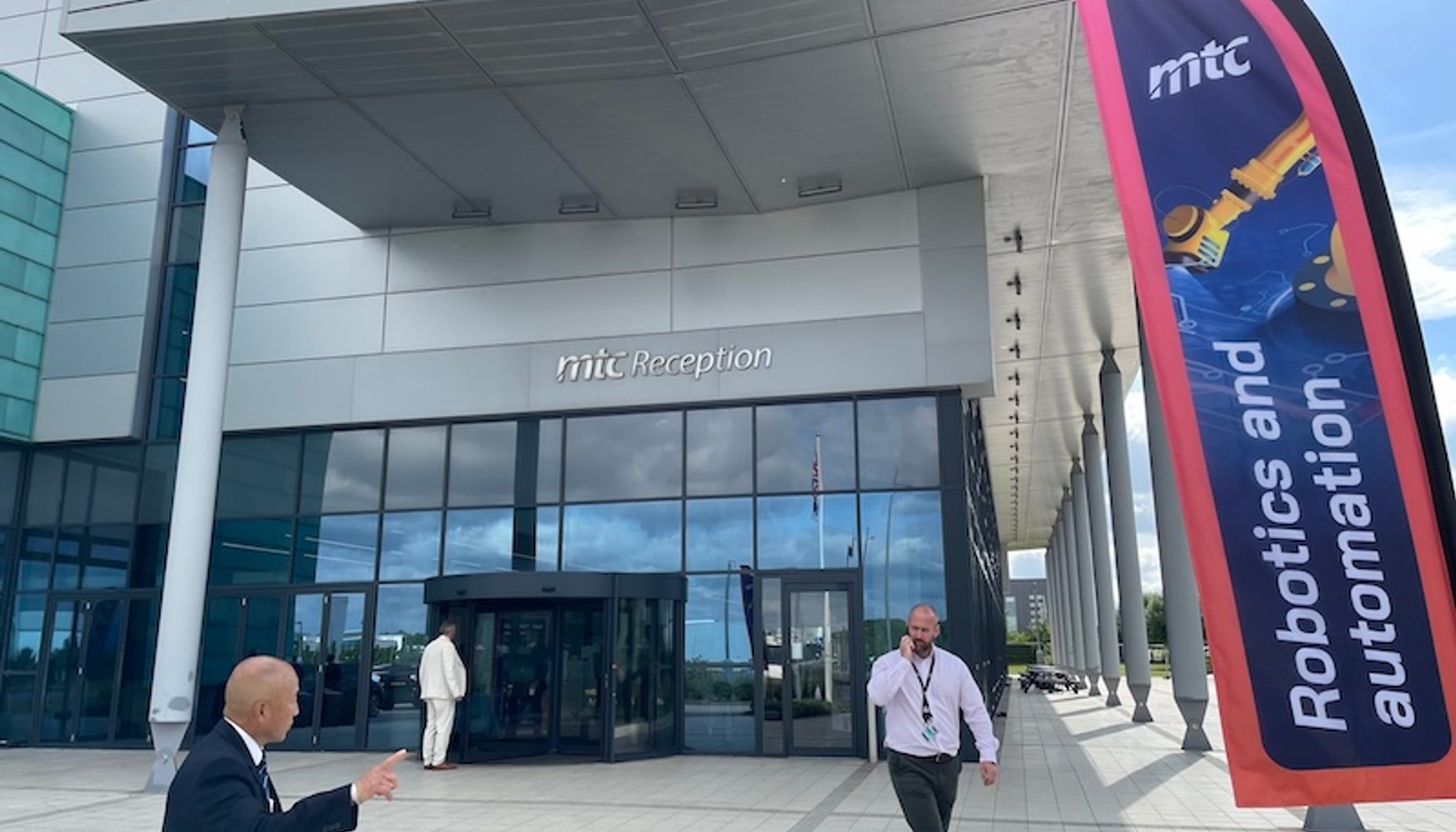
Image / Robotics & Automation News
Automation is not optional for the UK's manufacturing revival, says Mike Wilson.
Mike Wilson, the head of the Manufacturing Technology Centre, is blunt: automation isn’t a luxury, it’s the backbone of rebuilding UK production capacity. In a candid chat about the country’s economic arc, Wilson ties today’s push for factory digitalization to a long arc of policy and shift. He notes that during the 1980s, the UK, like many peers, leaned into services, finance, and retail, letting manufacturing become a smaller, less tech-enabled slice of the economy. Now, with demand for resilient supply chains and productive, high-quality goods, he argues, you either automate or accept a slower, more fragile recovery.
The message is not optimism without caveat. Automation, Wilson says, is not plug and play. The industry insider jokes that “plug and play” is often two weeks of debugging dressed up as a miracle. In practice, automation projects require careful integration with existing lines, controls, and data systems. Deployment data shows that when automation is properly integrated, cycle times can be reduced and throughput can rise, but the gains hinge on how tightly the new systems talk to the plant floor realities, including tool changes, feeder reliability, inspection loops, and the timing of upstream and downstream processes. The case study reports that the ROI story often hinges on more than equipment cost: it depends on the rhythm of maintenance, the stability of data, and the ability to retrain a workforce that will operate, not merely operate around, automated assets.
What does that mean in concrete terms for a factory floor? First, the integration question dominates. Automation investments must mesh with existing PLCs, manufacturing execution systems, and enterprise plans. Sensors, data historians, and control logic must speak the same language across disparate pieces of hardware, a task that can stretch weeks into months if the interfaces aren’t ready. Second, energy and uptime tradeoffs matter. Robotic cells and automated inspection stations can boost consistency, but they also introduce new points of failure and power/cooling demands that plant managers must budget for in their OPEX and maintenance calendars. Deployment data shows that even modest improvements in cycle time or defect reduction can yield material payback, provided the line remains available and properly tuned.
Skilled trades still matter, but automation reshapes their role. In Wilson’s framing, automation augments the work of electricians, inspectors, welders, and other craft labor rather than replaces them wholesale. Robots handle repetitive, high-precision tasks, freeing craft workers to focus on complex assembly, quality verification, preventive maintenance, and continuous improvement. The industry’s reality is that successful programs align automation with workforce training, new skill requirements, and a clear path for progression from operator to technician to systems integrator.
Looking ahead, practitioners should watch several pressures: the pace at which suppliers localize control architectures and software ecosystems; the availability of modular, interoperable components that fit legacy lines; and the funding environment that makes the business case compelling rather than aspirational. The interview underscores a broader truth for plant managers and CFOs alike: the ROI is real, but it’s operations-driven. Deployment data shows that the benefits show up in cycle time and throughput when you tame the integration risk and align people with the new way of making things. The case study reports that the payoff depends on framing automation as a continuous improvement program, not a one-off capital purchase.
In short, the UK’s manufacturing revival hinges on disciplined automation embedded in real operations, not marketing hype. If policy, capital, and workforce strategy align, the plant floor can move from a legacy of decline to a future of predictable throughput and resilient supply.
- Interview with MTC’s Mike Wilson: ‘Automation is not optional if the UK wants to rebuild manufacturing’Robotics & Automation News / Trade / Published JUN 22, 2026 / Accessed JUN 23, 2026