Dubai Turns Robotics Hub Into Global Engine
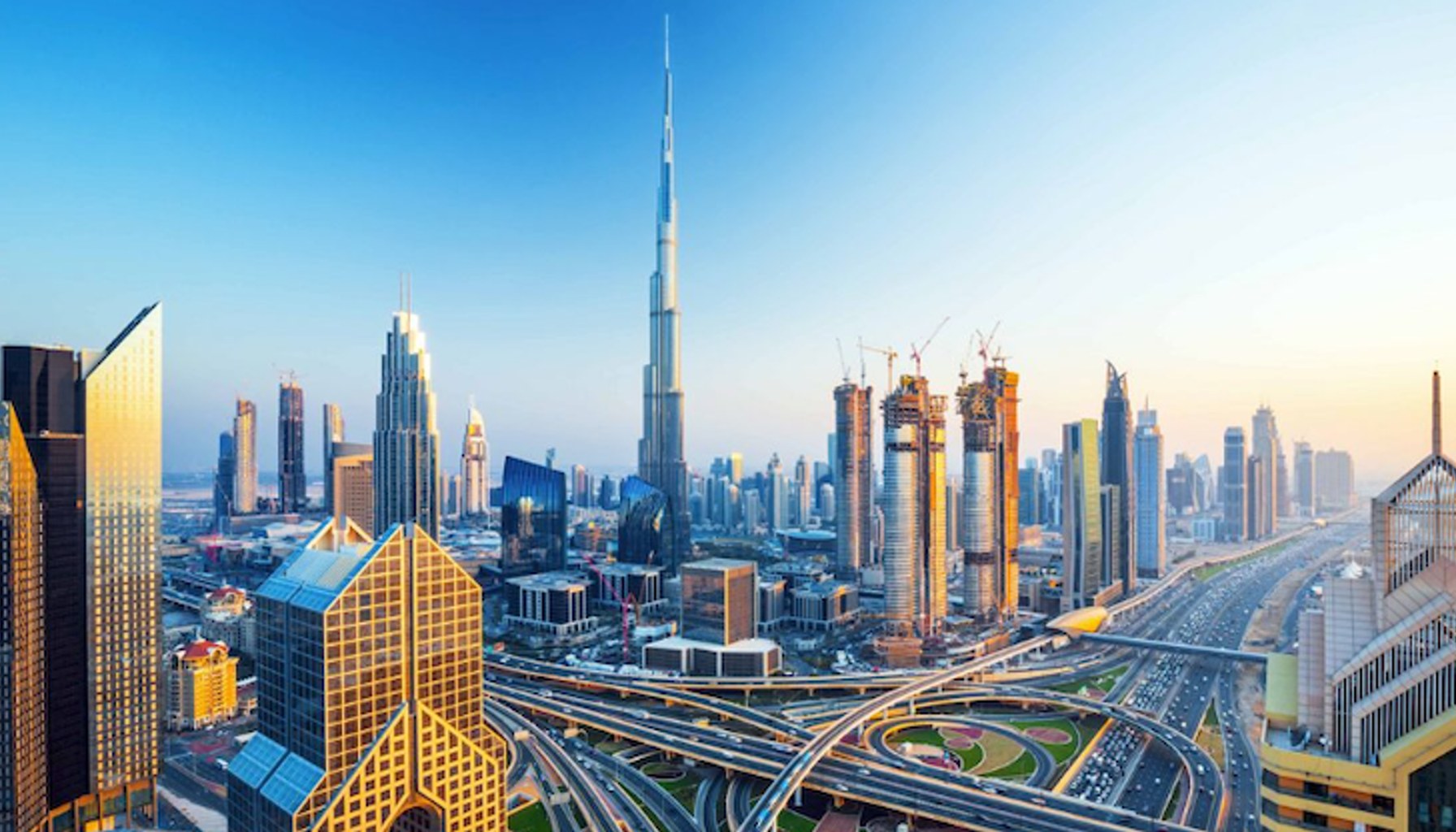
Dubai is not importing robots anymore—it's exporting automation know-how.
The Desert Digitalises report frames Dubai’s transformation as less a series of demos and more a muscled, end-to-end strategy: a city placing long bets on robotics as a national growth engine. What’s striking is less the hype and more the execution—the free zones, the testbeds, and the talent pipelines that turn pilots into production lines. Integration teams report that the real advantage comes from treating robotics deployment as a multi-piece program: hardware, software, training, and local supply chains choreographed from day one.
The move isn’t just about shiny cobots at trade shows. Production data shows steady, field-tested progress across manufacturing, logistics, and energy sectors, where pilots have matured into scalable deployments. Floor supervisors confirm that once a site commits to a robotics cadence, the gains aren’t just about speed. They’re about reliability of uptime, predictability of changeovers, and a clear path to local sourcing of maintenance and spares. In one corridor of Dubai’s industrial zones, a cobot-assisted packline reportedly cut handling variance enough to reduce rework—though the exact figures vary by product family, the trend line is unmistakable: more throughput with fewer people per shift.
Industry observers say the Dubai model isn’t about a single “robot in a box” success but about the orchestration of an ecosystem. Government-backed incentives, specialized free zones, and partnerships with global OEMs have lowered the friction for manufacturers to move from a demo to a deployment. Integration teams emphasize the importance of aligning cell design with local realities—broad floor space, robust network uptime, and a cybersecurity posture that fits the region’s industrial profile. The result, some plant managers note, is a more confident budgeting cycle: projects that begin with a lean pilot can be scaled with a clearer, ROI-focused plan rather than ad hoc upgrades.
Two-pronged practitioner insight stands out. First, the integration of robotics in Dubai’s clusters hinges on a disciplined training and upskilling program. Operators, technicians, and maintenance staff require structured hours of hands-on instruction and ongoing refresher modules to keep up with programming changes and predictive maintenance. Second, the human role isn’t shrinking to zero; it’s shifting. Tasks that still demand human hands — complex fault diagnosis, line changeovers, preventative maintenance scheduling, and software configuration for bespoke lines — remain essential. In other words, robots handle repetition; humans handle adaptation and problem-solving when a line inevitably meets edge cases or a product variant.
Hidden costs are a real wake-up call for any capital decision. Vendors may advertise “seamless integration,” but on the floor the complexity shows up in safety assessments, software subscriptions, access rights for industrial networks, and the continuous calibration of machine-vision and AI models. Floor supervisors note that the cost of cybersecurity hardening, data integration across multiple legacy systems, and specialized training for new operators can quietly swell a project budget if not planned upfront.
What’s next for Dubai’s robotics agenda, according to Integration teams and ROI documentation? A push toward deeper localization: more local manufacturing of robot cells, more regional service partnerships, and a pipeline of engineers who can design, implement, and fine-tune multi-cell systems on a single building floor. The ambition isn’t merely to showcase Dubai as a hub but to make it a global engine for scalable, production-grade automation.
Whether the region’s factories will consistently achieve payback in days or months remains a sector-wide variable, but what’s undeniable is the shift: a desert city turning a strategic roar into a sustainable, repeatable manufacturing advantage, one integrated deployment at a time.
- The Desert Digitalises: How Dubai is Engineering a Global Hub for Robotics and Automationroboticsandautomationnews.com / Source role not classified / Published APR 08, 2026 / Accessed APR 09, 2026