Fifty Years of Automation Began with Drums
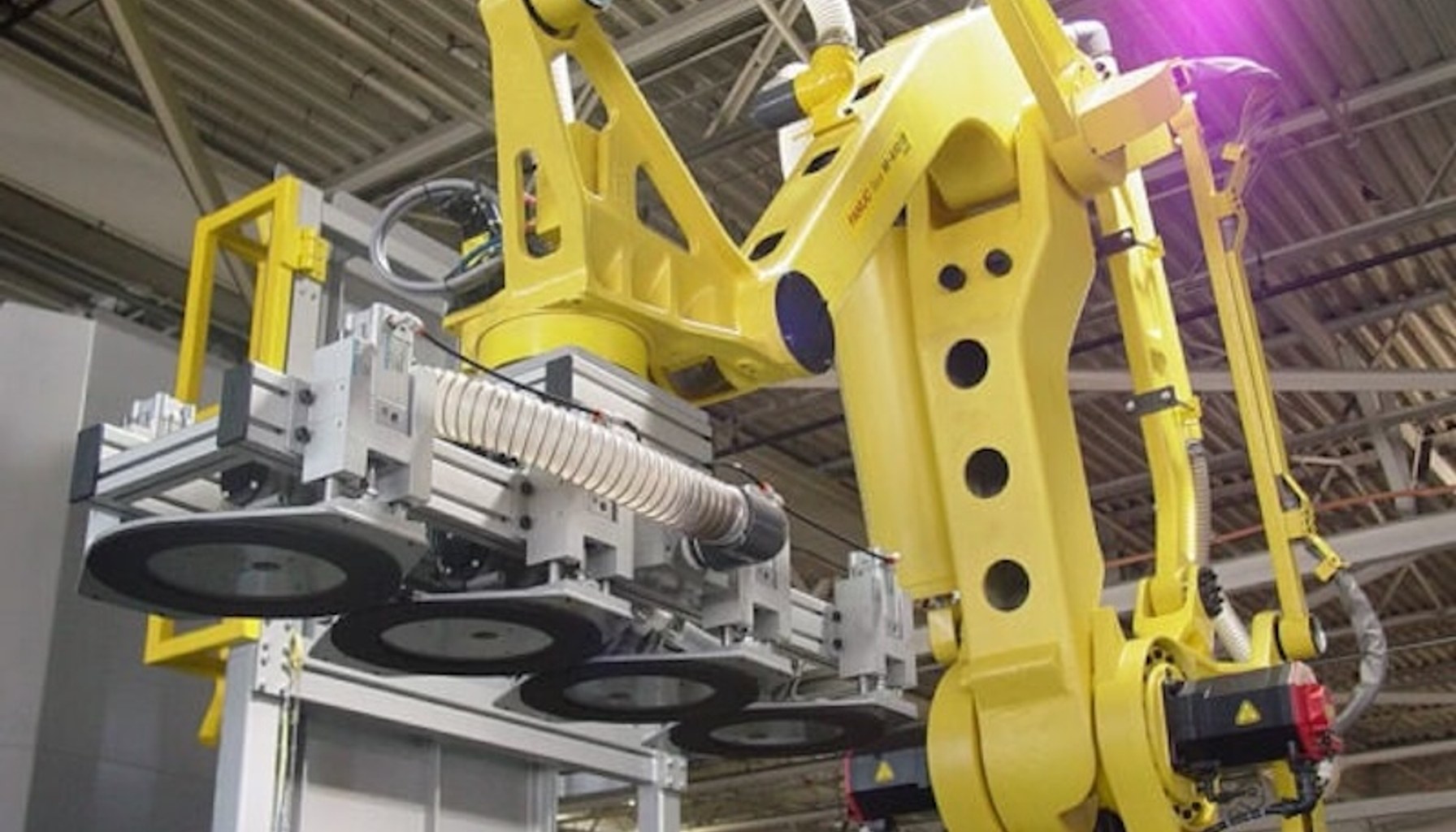
Two Monsanto engineers faced 500-pound drums and built a lifter.
In 1976, what started as a safety fix—lifting out of the loading dock routine—became a founding idea for modular automation. Workers were cranking 55-gallon drums by hand, often wrestling with 400- to 500-pound loads that left bruises, back strains, and a tally of near-mallenges on the plant floor. The engineers asked a blunt question: could the plant be redesigned so the operation no longer required a limb-by-limb lift? Their answer was a palletizing module that could take the lifting out of the task, a concept that would ripple through manufacturing for decades. The lesion in the workflow wasn’t just physical strain; it was the hidden cost of repetitive, manual handling: inconsistent pacing, injuries, and the inevitable drift between a “demo” and a production deployment.
From that first improvised lifter to a formal line of automation solutions, the story is less about a single invention and more about a discipline: make the manual part predictable, then wire in the rest. PASCO’s 50-year milestone reflects a broader industry arc—from batch-lifted drums to networked robotic cells, with palletizing and packing as the steady expedition into fully automated material handling. The drum story is a reminder that the earliest “industrial robots” were built not to replace humans but to remove the riskiest, most monotonous chores from human hands. Production data shows that when you remove the heavy lifting, you don’t just save a back; you unlock reliability, because the bottleneck shifts to throughput, not pain management.
The lesson for today’s plant managers and automation engineers is twofold. First, ROI is not a relic of the 1980s; it’s a negotiation between capital, capability, and training. Second, the line between a polished demo and a durable deployment remains the same: integration. Floor space, power, and the hours of hands-on training to teach a system to “know” its job are the quiet determinants of a project’s fate. Integration teams report that a well-scoped palletizing cell—one that fits the existing line, communicates with the warehouse management system, and is tuned for the actual product mix—can transform cycle time only when the rest of the line can breathe around it.
Domain practitioners know the hard truths: even the best automated cell still needs human hands at the edges. Tasks that survive automation include changeovers, exception handling, and routine maintenance—jobs that require a human eye, decision-making, and the ability to improvise. Hidden costs vendors rarely disclose upfront—internal downtime during commissioning, calibration drift, software maintenance, and the need for ongoing training to keep operators and technicians current—can swallow a project’s early gains if not budgeted.
The drum-to-palletizer origin story still resonates. It underscores a core principle of industrial optimism: the first savings come from removing the danger of the job; the second comes from the predictable cadence that automation enables. As PASCO marks five decades in automation, the original insight remains relevant: reduce the lift, sharpen the process, and acknowledge that sustained payback comes from disciplined integration, skilled operators, and a clear view of what the plant must still do with human hands.
- PASCO Marks 50 Years in Industrial Automationroboticsandautomationnews.com / Source role not classified / Published APR 07, 2026 / Accessed APR 08, 2026