Free Will Gets a Fresh Brain Look
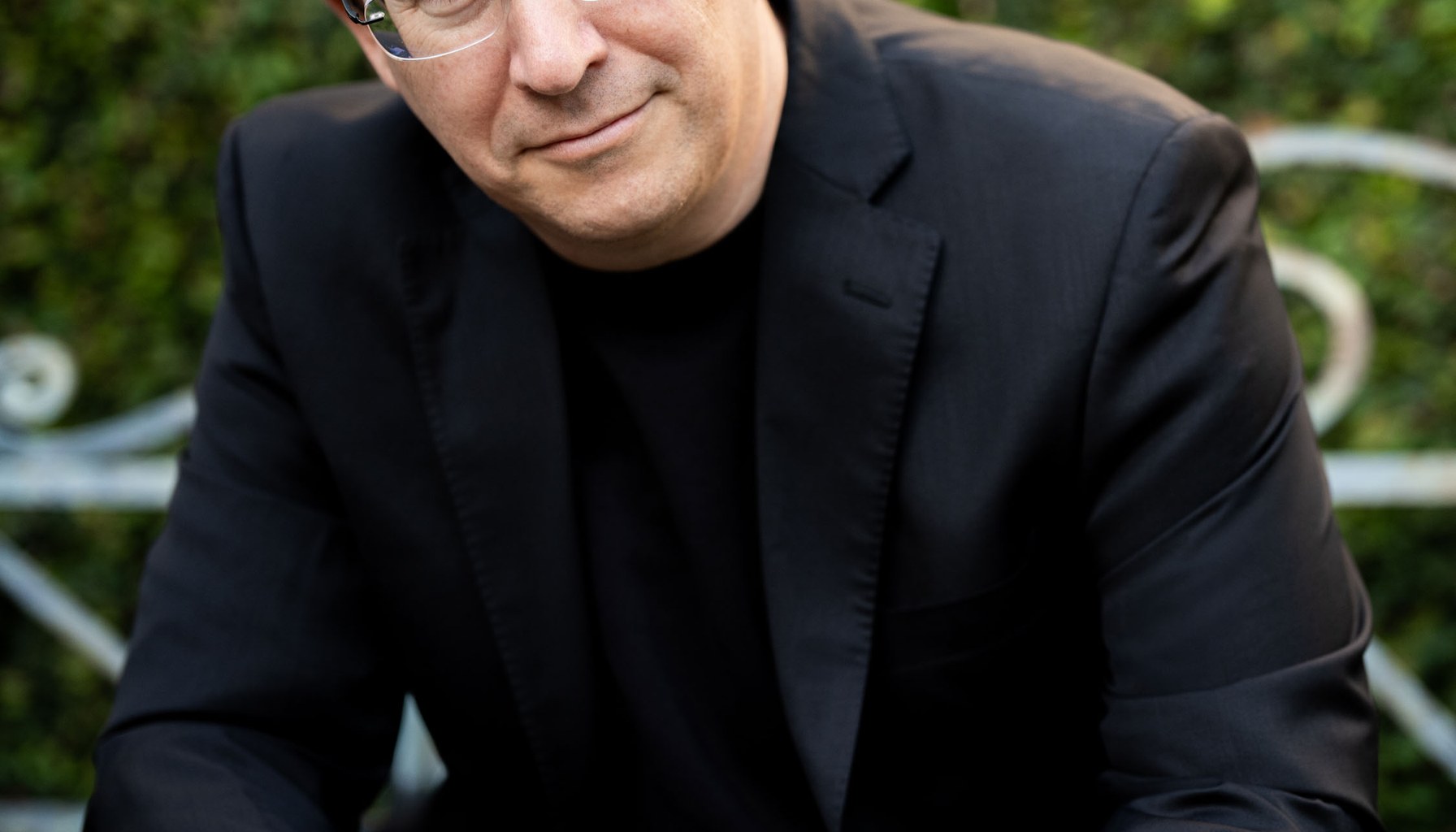
Free will isn’t magic—it's brain wiring, Maoz argues.
Uri Maoz, a Chapman University neuroscientist, is rewiring a century-old debate by turning the lens on decision-making itself rather than on lofty philosophy alone. The story begins in a classroom, when Maoz, fresh from a PhD in human movement, was handed the rare freedom to teach whatever mattered to his undergrads. He chose a topic that sounded almost sci‑fi: what neuroscience has to say about free will. “I could have gone to human brain augmentation or cyborgs,” he recalls. Instead, he chased a question that had lingered in his own readings since his twenties—whether we’re really in control of our choices, or merely watching a cascade of neural events unfold.
The experience wasn’t just a personal turn. It became a road map for how Maoz thinks about the brain’s decision circuits: how desires and beliefs become actions, and how the brain translates intention into movement. The article frames his shift as emblematic of a broader reconsideration in neuroscience: can a discipline that maps neurons and motor plans illuminate something as slippery as free will? Maoz’s framing—an invitation to connect neural wiring to the sense of agency—poses a practical challenge: human decisions arise from integrated systems: planning, reward signals, beliefs, and context, not a single “will” we can point to in a lab.
The piece, published on April 13, 2026, sketches Maoz’s arc from movement science to a question that unsettles philosophers and engineers alike. He’s now chairmaning a line of inquiry that treats the brain as a decision machine, where conscious deliberation is one input among many. The takeaway pushed by Maoz is both provocative and cautious: neuroscience can illuminate the mechanics of choice, but it doesn’t deliver a simple verdict on responsibility or autonomy. The fragmentary hints are clear—neural preparation often precedes conscious intent in ways that complicate our intuitive sense of control—but the article stops short of declaring a final resolution. What it does do is place Maoz at the forefront of a conversation that matters not only to clinics and philosophers but to developers building decision-support systems and autonomous agents.
For practitioners in AI and product teams, the implications are sharper than they might appear. If brains evolve to decide through a blend of impulses, beliefs, and contextual cues, then any system that mimics or augments human choice should not pretend that every act is a lucid, consciously authored decision. Instead, it should acknowledge the layers beneath deliberation and respect user autonomy. That translates into practical design guidance: build interfaces that reveal the reasoning paths behind suggestions, allow users to intervene at key junctures, and avoid overclaiming “true” autonomy in AI agents that still rely on opaque, data-driven priors. It’s a reminder that what we call “free will” in software is often a well-structured illusion of agency—one that can be supported, but not entirely outsourced to machines.
Two to four concrete takeaways for engineers and product leaders:
Maoz’s narrative is a reminder that the brain’s decision machinery—desire, belief, context, plans—remains a frontier. The “fresh look” on free will isn’t a conversion to a new doctrine so much as a call for humility: we’re still mapping the circuitry that turns intent into action, and any technology that interacts with human choice should be designed with that complexity in mind.
- You have no choice in reading this article—maybetechnologyreview.com / Source role not classified / Published APR 13, 2026 / Accessed APR 13, 2026